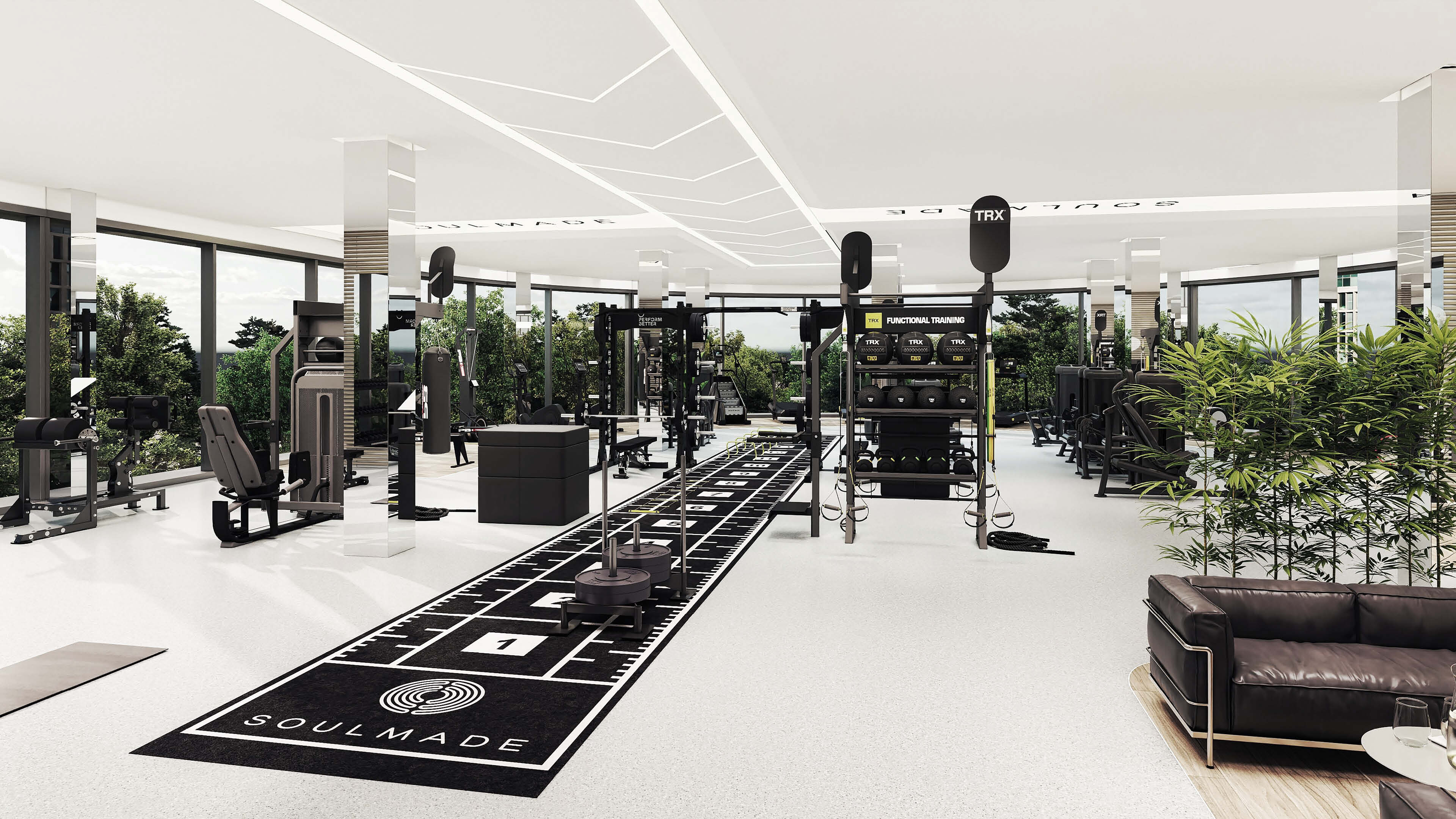
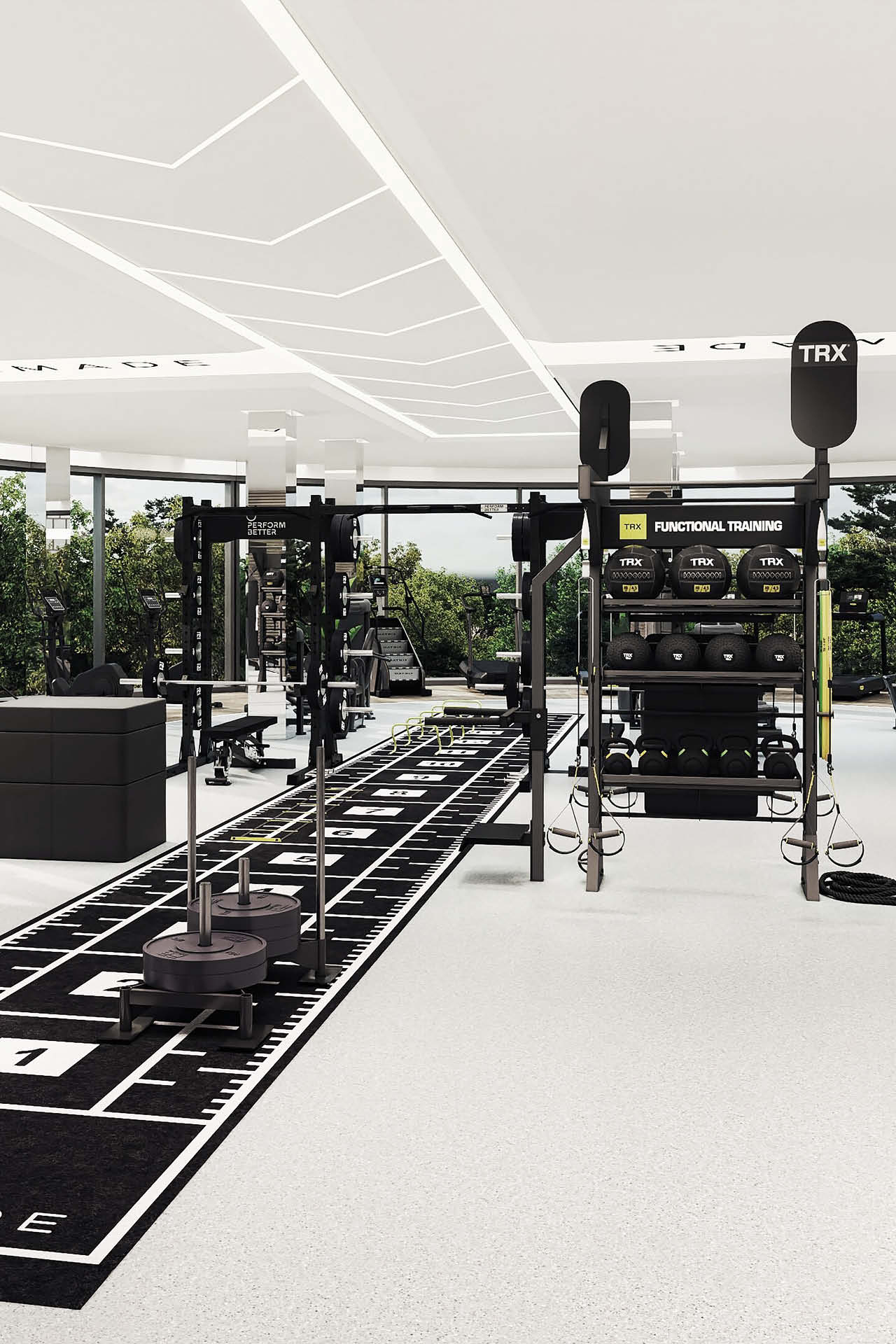
Skip to main content Skip to search Skip to main navigation
Menu
01Helsinki_HeroBanner_01

Small space, high standards

What a hotel gym really needs

01Helsinki_HeroBanner_Mobile

Small space, high standards

What a hotel gym really needs

A hotel gym has to meet many expectations at once: it should be functional, offer a variety of training options, blend in with the hotel’s design concept, and provide guests with a high-quality training experience. At the same time, there is often only a limited amount of space available. This is precisely why, during the planning stage, it is crucial to consider the space, equipment and usage together right from the start. Even within a few square metres, a versatile and high-quality fitness area can be created – provided the space is structured sensibly and the equipment is selected with care. 

Limited space does not mean limited training options 

Very few hotels have unlimited space for a fitness area. In existing buildings in particular, the gym often has to be integrated into an existing floor plan. However, this does not mean that compromises on the training experience are automatically necessary. Rather, the key is to make sensible use of the available space, taking into account both functionality and the visual impact of the space. 

A space should therefore not be assessed solely on the basis of how many pieces of equipment it can accommodate. Equally important are exercise areas, walkways, the spacing between training stations, and how open and inviting the space appears to guests. Particularly in smaller spaces, clear planning helps to accommodate a variety of training options without the gym appearing cluttered or confusing.
Thinking about spatial impact and training as a whole 

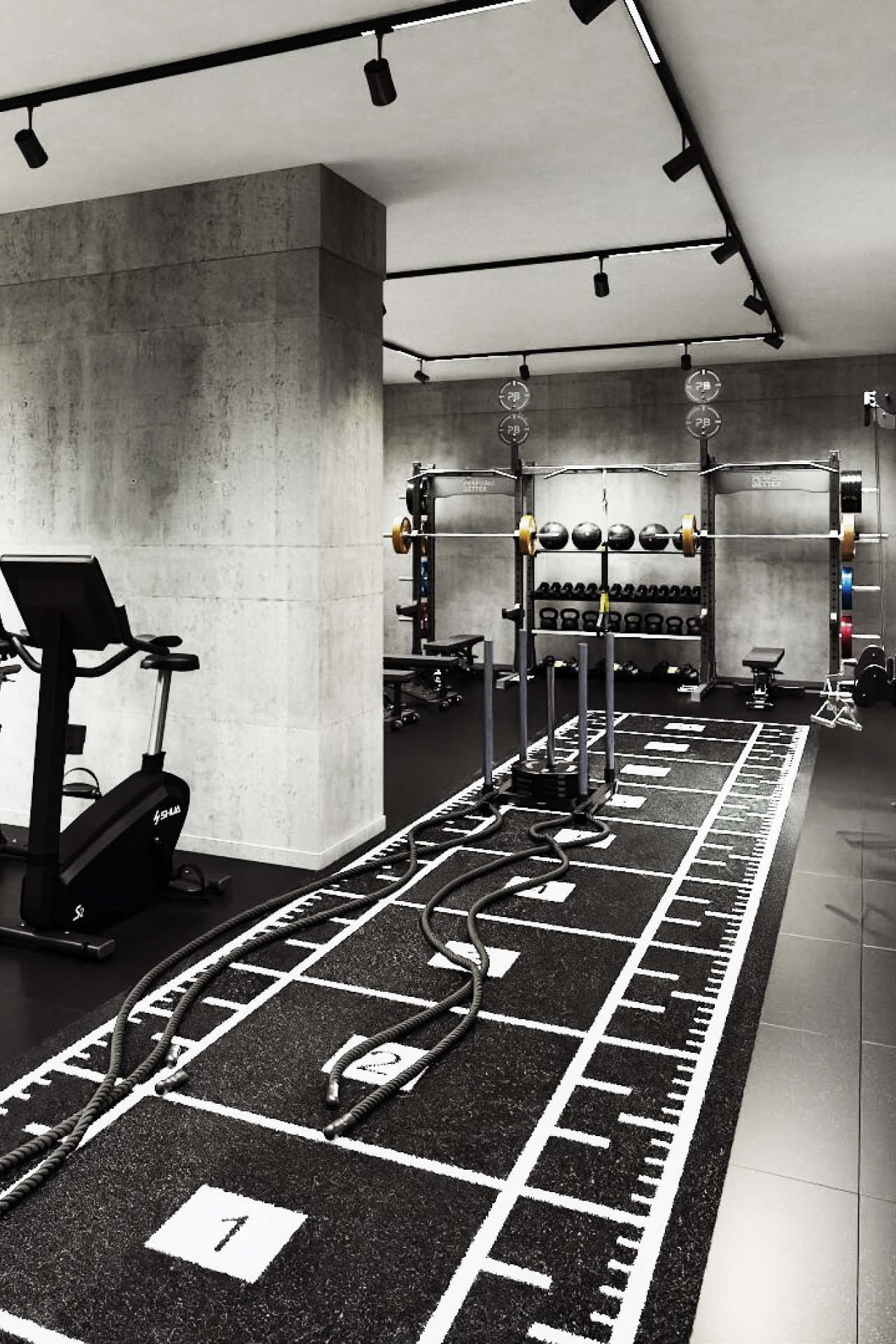
A fitness area forms part of the overall guest experience. Anyone entering a hotel gym notices not only the equipment, but the entire space. Lighting, materials, colours, mirrors, flooring and the layout of the individual training stations have a major influence on how high-quality and pleasant a gym appears. At the same time, functional requirements must be taken into account: sufficient freedom of movement, sensible layouts and enough space for the respective exercises. 

Open spaces, in particular, play a key role here. They can be used for functional training, mobility work, stretching or bodyweight exercises, whilst also ensuring that the space feels more open. The challenge, therefore, lies in striking a balance: the space should offer as many training options as possible without losing its clarity and appeal as a place to spend time. 

Zoning provides clarity 

Another important factor is a clear division of the fitness area. Cardio, strength training and functional training place different demands on the space. If these areas are clearly demarcated from one another, this automatically improves orientation – regardless of the size of the room. 

A possible zoning plan could, for example, consist of the following areas: 

  • Cardio: treadmill, exercise bike, cross-trainer or other cardio equipment 
  • Strength training: cable machine, weight bench, dumbbells or other strength training equipment 
  • Functional training: open training area for bodyweight exercises, kettlebells, resistance bands or other functional equipment 
  • Mobility and stretching: an area for flexibility, stretching and recovery 

The individual zones do not necessarily have to be separated by walls. Often, different floor surfaces, deliberately spaced areas or a well-thought-out layout of the equipment are sufficient to create a clear structure. This helps guests to intuitively understand the layout of the space and quickly recognise which training options are available to them.

Multifunctional equipment opens up more possibilities 

Particularly in smaller gyms, it’s worth choosing equipment that can be used as versatile as possible. Cable pull systems are a good example of this. Depending on the model, they allow for a wide range of exercises targeting different muscle groups and training goals. This means that several training options can be consolidated into a single central station. Adjustable training benches, dumbbells, kettlebells and resistance bands can also be flexibly integrated into various training routines. 

Multifunctionality does not mean doing without equipment. Rather, it is about putting together a selection of equipment that complements each other effectively and maximises the number of training options available within the space at hand. This creates a versatile range of cardio, strength and functional training options, without individual areas competing with one another. 

The target audience sets the framework 

The equipment in a hotel gym should always be tailored to the hotel’s positioning and the needs of its guests. After all, a fitness area in a business hotel may need to meet different requirements to that of a resort, a wellness hotel or an urban boutique hotel. It is therefore crucial to clarify a few fundamental questions before embarking on the detailed planning: 

  • What type of guests does the hotel mainly cater for? 
  • How important are fitness and wellbeing within the overall concept? 
  • What types of training should be offered? 
  • And what role should the fitness area play within the overall guest experience? 

These requirements then determine the appropriate combination of cardio, strength and functional training equipment. Supplementary areas for mobility or recovery may also be useful, depending on the hotel’s concept. 

Particularly in smaller spaces, it is crucial to make targeted use of the available square metres. Multifunctional equipment, flexible training solutions and clear zoning help to create a versatile offering without the space losing its structure. 

Multifunctional equipment opens up more possibilities 

Particularly in smaller gyms, it’s worth choosing equipment that can be used as versatile as possible. Cable pull systems are a good example of this. Depending on the model, they allow for a wide range of exercises targeting different muscle groups and training goals. This means that several training options can be combined at a single central station. Adjustable training benches, dumbbells, kettlebells and resistance bands can also be flexibly integrated into various training routines. 

Multifunctionality does not mean doing without equipment. Rather, it is about putting together a selection of equipment that complements each other effectively and maximises the number of training options available within the space at hand. This creates a versatile range of cardio, strength and functional training options, without individual areas competing with one another. 

The target audience sets the framework 

The equipment in a hotel gym should always be tailored to the hotel’s positioning and the needs of its guests. After all, a fitness area in a business hotel may need to meet different requirements to that of a resort, a wellness hotel or an urban boutique hotel. It is therefore crucial to clarify a few fundamental questions before embarking on the detailed planning: 

  • What type of guests does the hotel mainly cater for? 
  • How important are fitness and wellbeing within the overall concept? 
  • What types of training should be offered? 
  • And what role should the fitness area play within the overall guest experience? 

These requirements then determine the appropriate combination of cardio, strength and functional training equipment. Supplementary areas for mobility or recovery may also be useful, depending on the hotel’s concept. 

Particularly in smaller spaces, it is crucial to make targeted use of the available square metres. Multifunctional equipment, flexible training solutions and clear zoning help to create a versatile offering without the space losing its structure. 

Small space, great workout experience 

A high-quality hotel gym does not necessarily require a large floor area. What matters is how intelligently the available space is utilised. Clearly defined training zones provide guidance, multifunctional equipment enables a varied workout, and a well-thought-out interior design ensures that the fitness area appears not only functional but also high-quality. 

The best results are achieved when space planning, the training concept and the equipment are not considered in isolation, but as part of an overall concept. In this way, even within a limited space, a hotel gym can be created that offers a variety of training options, integrates seamlessly into the hotel and provides guests with genuine added value.