
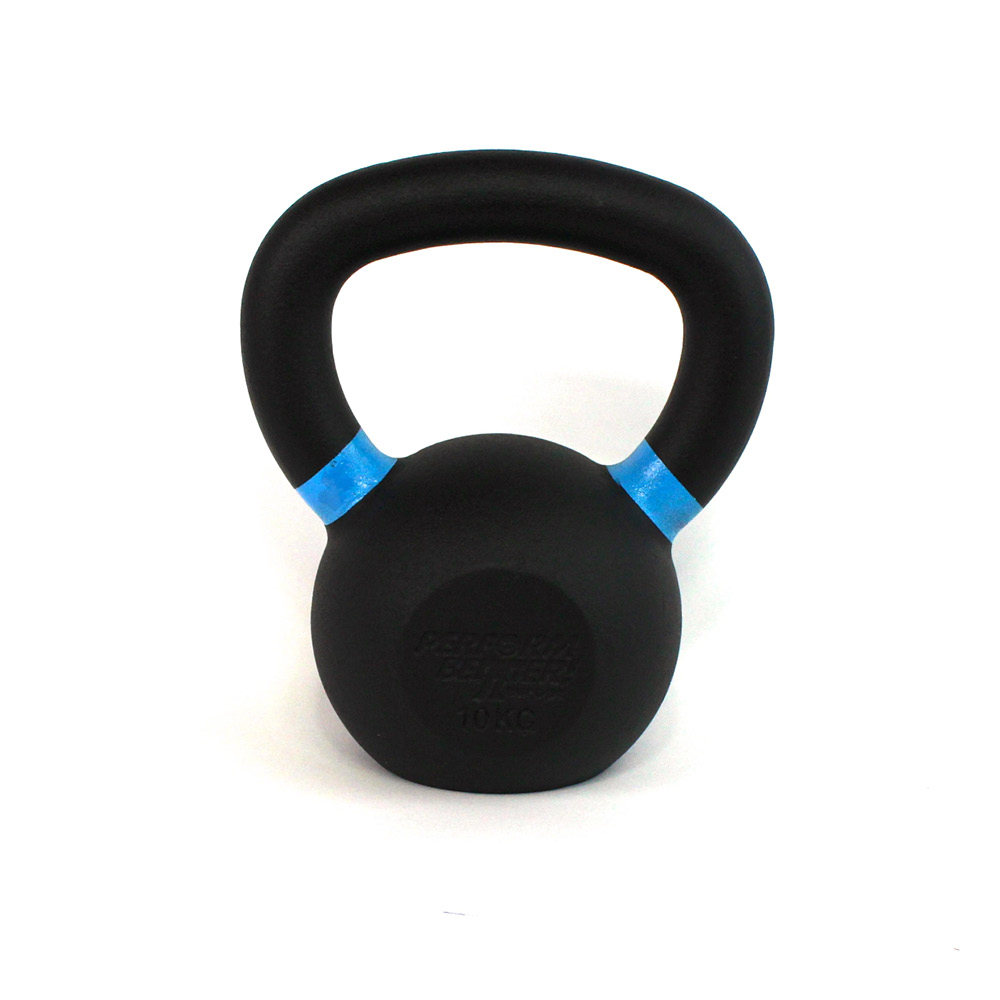
PB Black Kettlebell – 10kg
- Material: cast iron, powder-coated
- Colour: Black (different colour coding according to weight)
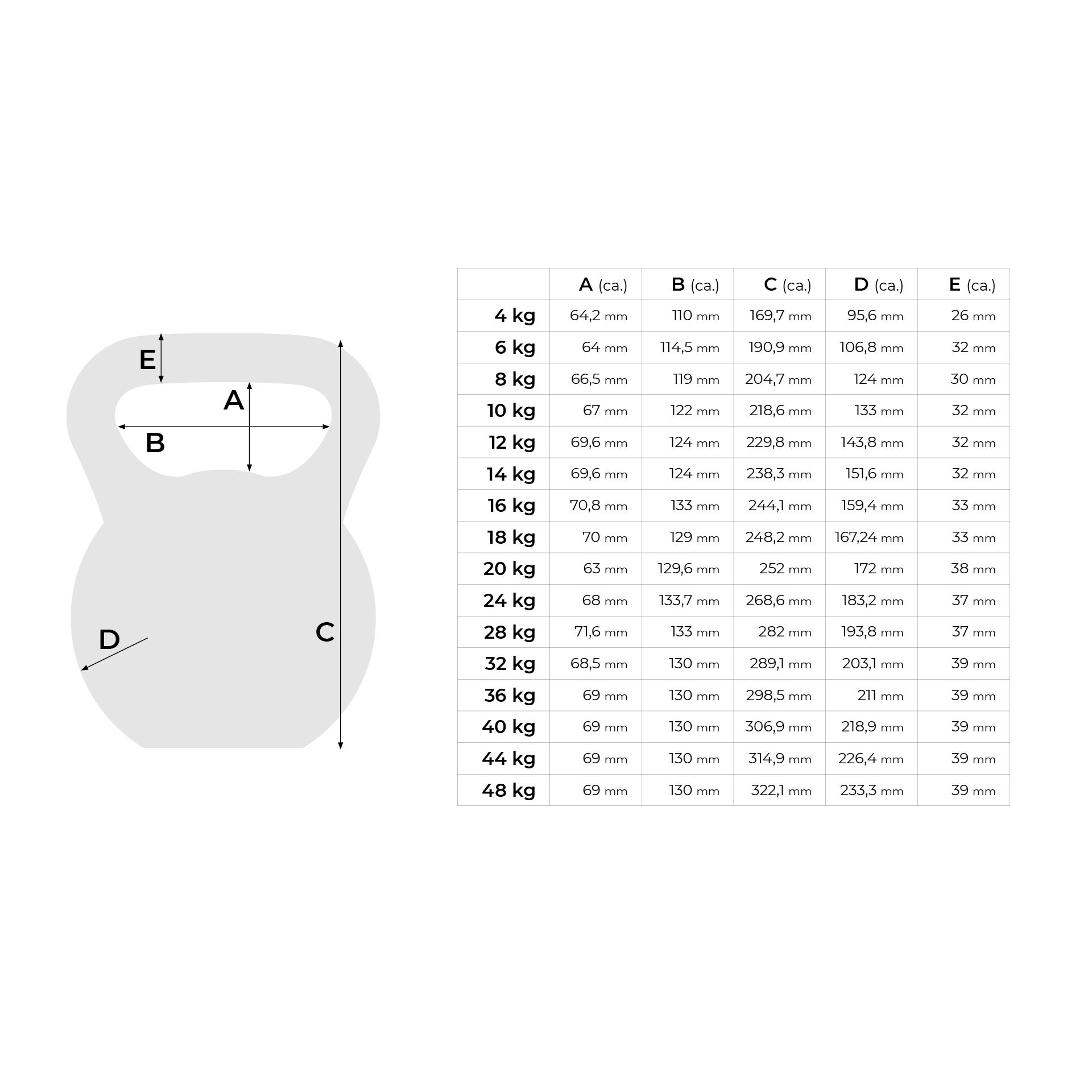
- Available in 9 different weight categories, individually and as a set
- Sturdy and durable
€34.77
% €40.90 (15% saved)
Available, delivery time: 1-3 days
Description
The kettlebell – ideal for proprioceptive training
Due to their ‘unstable’ nature, free weights are particularly well-suited to proprioceptive training. Whether it’s core training, functional training or even flexibility training, make the most of the kettlebell’s unique characteristics and give your body’s performance a holistic boost.
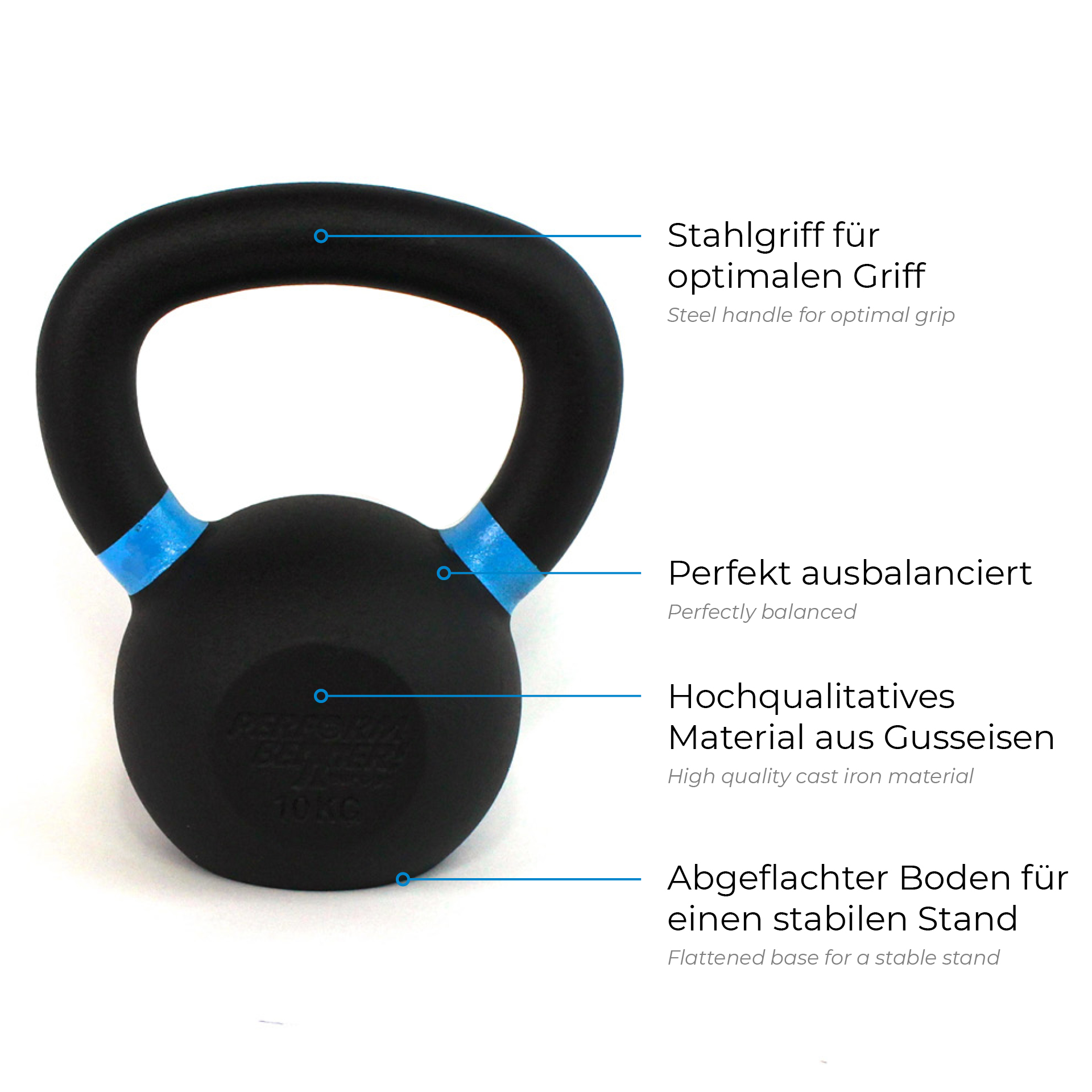
Cast-iron kettlebells are particularly robust and durable. Thanks to the ergonomically shaped handle, the kettlebell sits very comfortably in the hand.
The kettlebells are made of solid cast iron.
Resistance bands
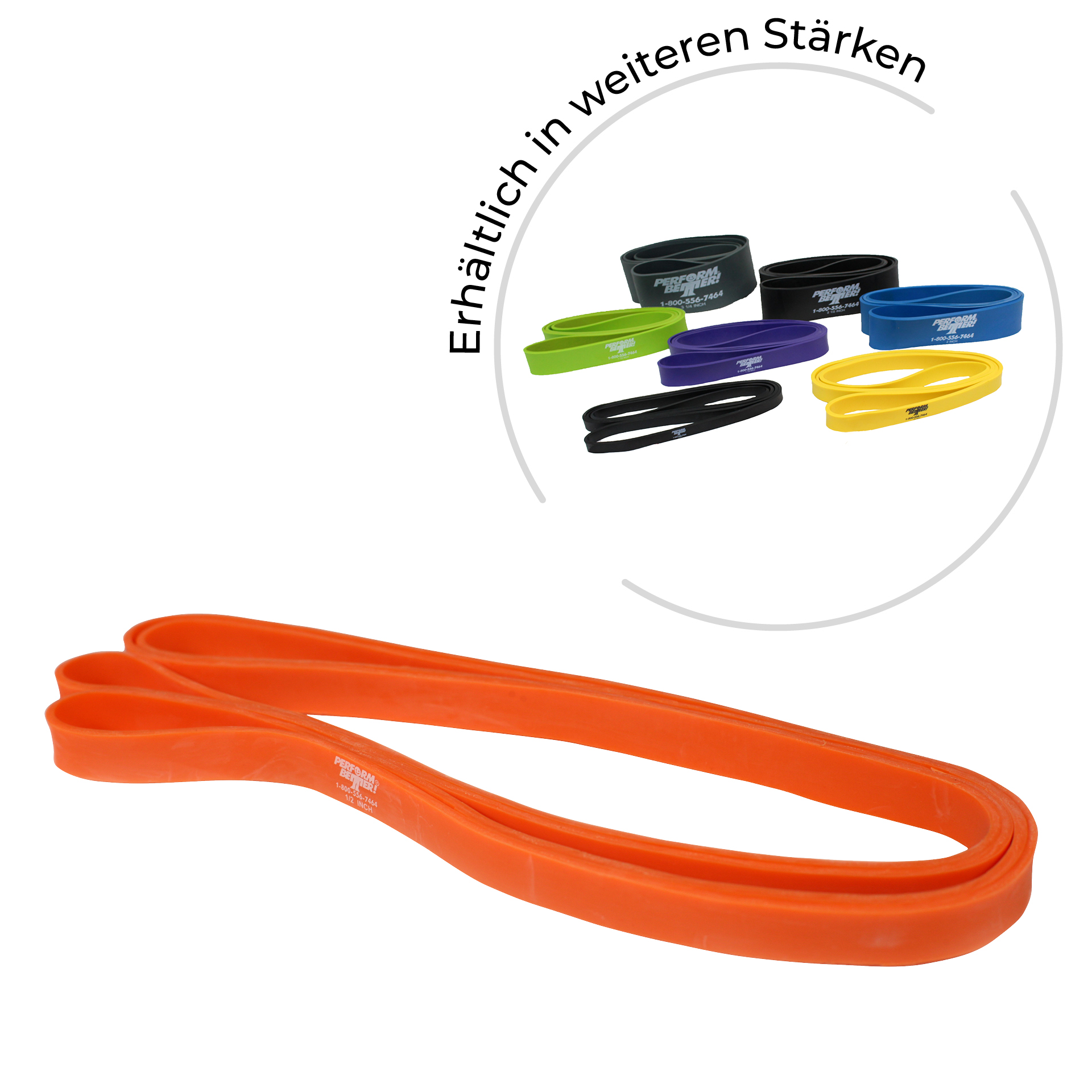

Upper body, arms, abs, legs, glutes – with the Perform Better Superbands, there are no limits to your training. They are suitable both for high-intensity demands in competitive sport and for effective stretching exercises in physiotherapy. The different resistance levels offer you numerous combination options and allow you to gradually increase your training intensity. Depending on your preference, you can train freely with the Superbands or secure them to a fixed anchor point to generate different training intensities (training stimuli). Why train with Superbands? The basic principle of training with Superbands is clear: the bands are made of rubber, and the further you stretch them, the greater the resistance. The bands pull back towards the starting point at the same time. During each exercise, your muscles must work both concentrically and eccentrically against the resistance generated. Training with Superbands therefore increases your strength whilst providing full muscle stimulation. The benefits of training with Superbands Virtually unlimited variety of exercises Ideal training accessory for dynamic full-body workouts Exponential increase in resistance Increased eccentric load Suitable for all fitness levels Use in preventive care Use in rehabilitation following injuries (e.g. proprioceptive training) Can be used as a supplementary tool, e.g. for pull-ups or push-ups Ideal for stretching exercises Suitable for individual and partner exercises Cost-effective Space-saving training option (indoor and outdoor) Can be combined with other equipment (e.g. to generate increased resistance and additional leverage during weightlifting) What resistance level do I need for which exercise? The resistance level you choose for the Superband depends, on the one hand, on your own physical fitness and, on the other, on the muscle groups you wish to train. The narrower versions are particularly suitable for effective and varied training in sprinting, strength training and athletics. They enable intensive exercises such as lunges, running drills, shuffles, shoulder presses, squats, accommodating resistance training and much more. Orange – 6 kg, 0.6 cm Black – 11 kg, 1.25 cm Yellow – 15 kg, 2 cm Black – 22 kg, 2.5 cm Purple – 25 kg, 2.8 cm Green – 32.5 kg, 3.8 cm The stronger versions are particularly suitable for assisting with pull-ups and dips. Thanks to the reduced resistance, even beginners can perform the exercises with ease. The Superbands can also be used in weightlifting to generate increased resistance and additional leverage. Black – 32.5 kg, 4.5 cm Blue – 38 kg, 5 cm Black – 45 kg, 6.5 cm Grey – 95 kg, 8 cm Black – 120 kg, 10 cm Product details Here is a brief overview of the ‘technical’ specifications of the Superbands. If you have any further questions, please feel free to contact our customer service team at any time. Material thickness: 5 mm Length: 1.0 m Material: Latex Different versions identified by colour code Exercises with the Superbands To give you an idea of what you can do with the Superbands, we’ve put together a few classic exercises for you here. Push-ups Start by getting into a forearm plank position and place the Superband across your upper back Wrap each end of the band around your thumb Now place your hands on the floor in the starting position for a push-up Tighten your glutes and core muscles and push yourself up until your arms are fully extended Squats combined with neck presses Stand with both feet on the Superband, slightly wider than shoulder-width apart Grasp the other end of the band with both hands Now bend your knees, push your bottom back and down, and stretch your arms upwards with the Superband Sideways walk Place your Superband across your ankle (or across your knee) Place your feet slightly wider than shoulder-width apart to create tension Now shift your weight to the left and take a large step to the right Repeat this movement (10 steps to the left – 10 steps to the right) Make sure your Superband remains taut at all times Rowing Get into a push-up position and press the Superband firmly onto the floor with your left hand (or hold it firmly) Grasp the top end of the band with your right hand Tighten your glutes and abdominal muscles Now bring your right elbow close to your torso, pulling your right shoulder blade down and back Repeat the exercise on the other side
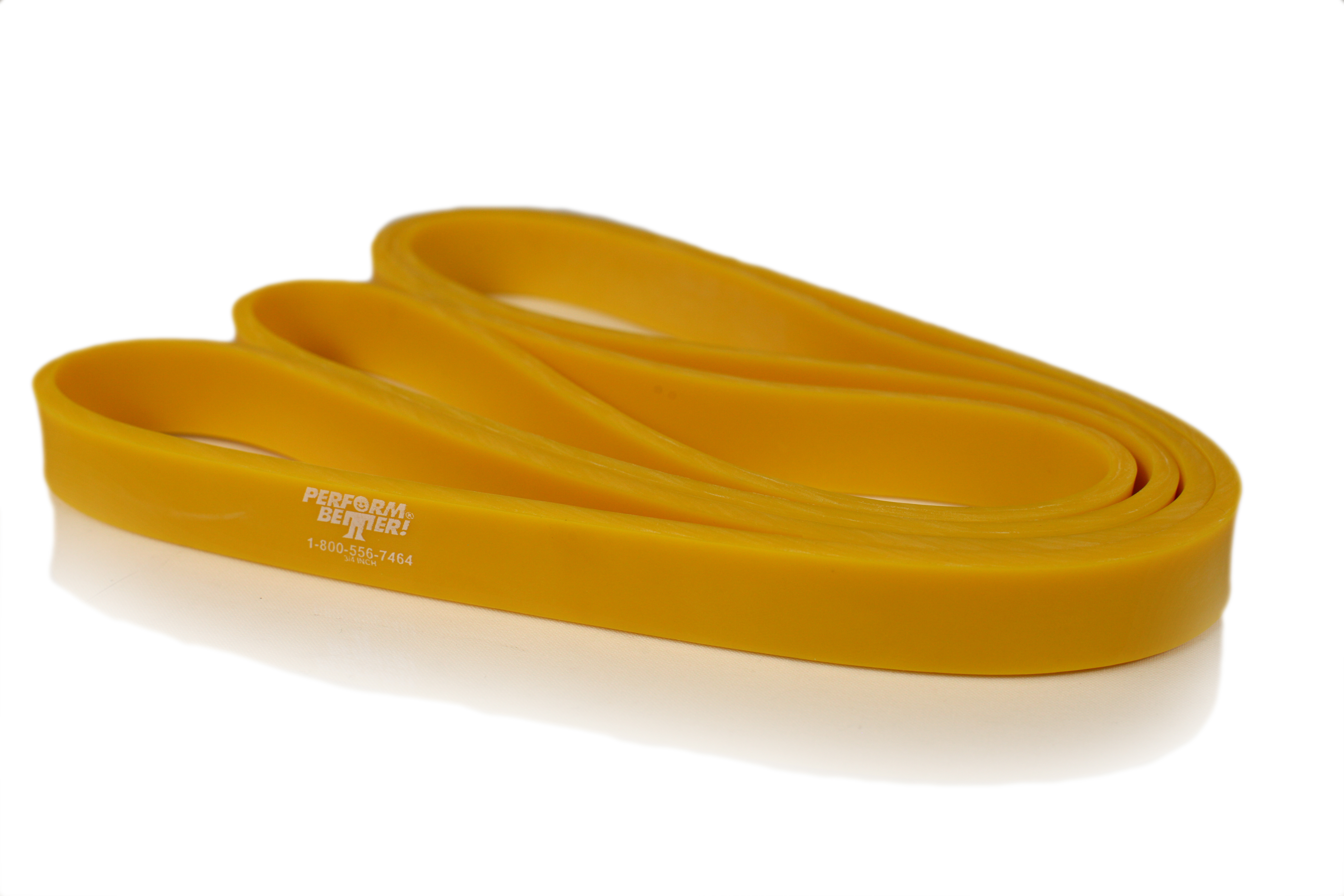
Upper body, arms, abs, legs, glutes – with the Perform Better Superbands, there are no limits to your training. They are suitable both for high-intensity demands in competitive sport and for effective stretching exercises in physiotherapy. The different resistance levels offer you numerous combination options and allow you to gradually increase your training intensity. Depending on your preference, you can train freely with the Superbands or secure them to a fixed anchor point to generate different training intensities (training stimuli). Why train with Superbands? The basic principle of training with Superbands is clear: the bands are made of rubber, and the further you stretch them, the greater the resistance. The bands pull back towards the starting point at the same time. During each exercise, your muscles must work both concentrically and eccentrically against the resistance generated. Training with Superbands therefore increases your strength whilst providing full muscle stimulation. The benefits of training with Superbands Virtually unlimited variety of exercises Ideal training accessory for dynamic full-body workouts Exponential increase in resistance Increased eccentric load Suitable for all fitness levels Use in preventive care Use in rehabilitation following injuries (e.g. proprioceptive training) Can be used as a supplementary tool, e.g. for pull-ups or push-ups Ideal for stretching exercises Suitable for individual and partner exercises Cost-effective Space-saving training option (indoor and outdoor) Can be combined with other equipment (e.g. to generate increased resistance and additional leverage during weightlifting) What resistance level do I need for which exercise? The resistance level you choose for the Superband depends, on the one hand, on your own physical fitness and, on the other, on the muscle groups you wish to train. The narrower versions are particularly suitable for effective and varied training in sprinting, strength training and athletics. They enable intensive exercises such as lunges, running drills, shuffles, shoulder presses, squats, accommodating resistance training and much more. Orange – 6 kg, 0.6 cm Black – 11 kg, 1.25 cm Yellow – 15 kg, 2 cm Black – 22 kg, 2.5 cm Purple – 25 kg, 2.8 cm Green – 32.5 kg, 3.8 cm The stronger versions are particularly suitable for assisting with pull-ups and dips. Thanks to the reduced resistance, even beginners can perform the exercises with ease. The Superbands can also be used in weightlifting to generate increased resistance and additional leverage. Black – 32.5 kg, 4.5 cm Blue – 38 kg, 5 cm Black – 45 kg, 6.5 cm Grey – 95 kg, 8 cm Black – 120 kg, 10 cm Product details Here is a brief overview of the ‘technical’ specifications of the Superbands. If you have any further questions, please feel free to contact our customer service team at any time. Material thickness: 5 mm Length: 1.0 m Material: Latex Different versions identified by colour code Exercises with the Superbands To give you an idea of what you can do with the Superbands, we’ve put together a few classic exercises for you here. Push-ups Start by getting into a forearm plank position and place the Superband across your upper back Wrap each end of the band around your thumb Now place your hands on the floor in the starting position for a push-up Tighten your glutes and core muscles and push yourself up until your arms are fully extended Squats combined with neck presses Stand with both feet on the Superband, slightly wider than shoulder-width apart Grasp the other end of the band with both hands Now bend your knees, push your bottom back and down, and stretch your arms upwards with the Superband Sideways walk Place your Superband across your ankle (or across your knee) Place your feet slightly wider than shoulder-width apart to create tension Now shift your weight to the left and take a large step to the right Repeat this movement (10 steps to the left – 10 steps to the right) Make sure your Superband remains taut at all times Rowing Get into a push-up position and press the Superband firmly onto the floor with your left hand (or hold it firmly) Grasp the top end of the band with your right hand Tighten your glutes and abdominal muscles Now bring your right elbow close to your torso, pulling your right shoulder blade down and back Repeat the exercise on the other side

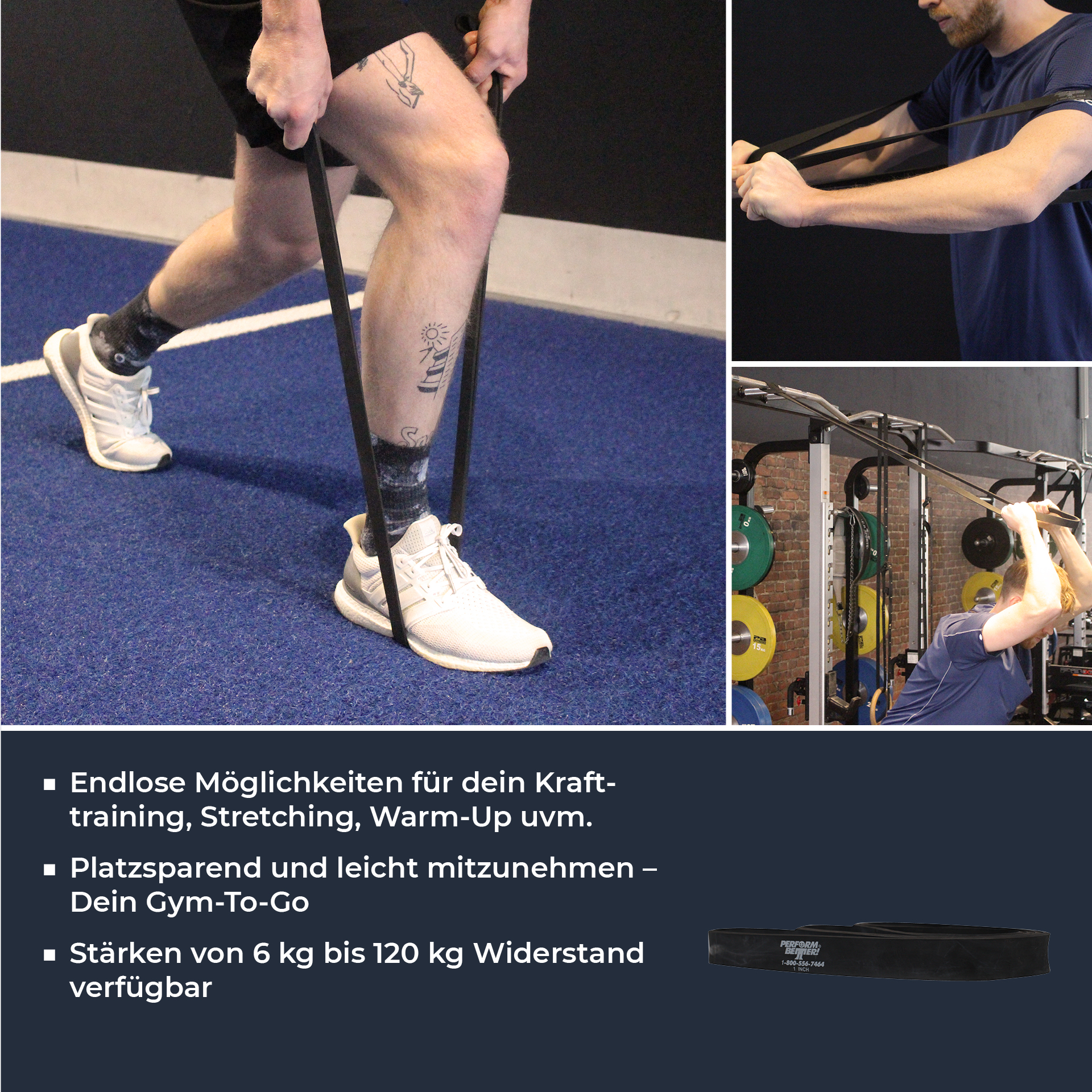
Upper body, arms, abs, legs, glutes – with the Perform Better Superbands, there are no limits to your training. They are suitable both for high-intensity demands in competitive sport and for effective stretching exercises in physiotherapy. The different resistance levels offer you numerous combination options and allow you to gradually increase your training intensity. Depending on your preference, you can train freely with the Superbands or secure them to a fixed anchor point to generate different training intensities (training stimuli). Why train with Superbands? The basic principle of training with Superbands is clear: the bands are made of rubber, and the further you stretch them, the greater the resistance. The bands pull back towards the starting point at the same time. During each exercise, your muscles must work both concentrically and eccentrically against the resistance generated. Training with Superbands therefore increases your strength whilst providing full muscle stimulation. The benefits of training with Superbands Virtually unlimited variety of exercises Ideal training accessory for dynamic full-body workouts Exponential increase in resistance Increased eccentric load Suitable for all fitness levels Use in preventive care Use in rehabilitation following injuries (e.g. proprioceptive training) Can be used as a supplementary tool, e.g. for pull-ups or push-ups Ideal for stretching exercises Suitable for individual and partner exercises Cost-effective Space-saving training option (indoor and outdoor) Can be combined with other equipment (e.g. to generate increased resistance and additional leverage during weightlifting) What resistance level do I need for which exercise? The resistance level you choose for the Superband depends, on the one hand, on your own physical fitness and, on the other, on the muscle groups you wish to train. The narrower versions are particularly suitable for effective and varied training in sprinting, strength training and athletics. They enable intensive exercises such as lunges, running drills, shuffles, shoulder presses, squats, accommodating resistance training and much more. Orange – 6 kg, 0.6 cm Black – 11 kg, 1.25 cm Yellow – 15 kg, 2 cm Black – 22 kg, 2.5 cm Purple – 25 kg, 2.8 cm Green – 32.5 kg, 3.8 cm The stronger versions are particularly suitable for assisting with pull-ups and dips. Thanks to the reduced resistance, even beginners can perform the exercises with ease. The Superbands can also be used in weightlifting to generate increased resistance and additional leverage. Black – 32.5 kg, 4.5 cm Blue – 38 kg, 5 cm Black – 45 kg, 6.5 cm Grey – 95 kg, 8 cm Black – 120 kg, 10 cm Product details Here is a brief overview of the ‘technical’ specifications of the Superbands. If you have any further questions, please feel free to contact our customer service team at any time. Material thickness: 5 mm Length: 1.0 m Material: Latex Different versions identified by colour code Exercises with the Superbands To give you an idea of what you can do with the Superbands, we’ve put together a few classic exercises for you here. Push-ups Start by getting into a forearm plank position and place the Superband across your upper back Wrap each end of the band around your thumb Now place your hands on the floor in the starting position for a push-up Tighten your glutes and core muscles and push yourself up until your arms are fully extended Squats combined with neck presses Stand with both feet on the Superband, slightly wider than shoulder-width apart Grasp the other end of the band with both hands Now bend your knees, push your bottom back and down, and stretch your arms upwards with the Superband Sideways walk Place your Superband across your ankle (or across your knee) Place your feet slightly wider than shoulder-width apart to create tension Now shift your weight to the left and take a large step to the right Repeat this movement (10 steps to the left – 10 steps to the right) Make sure your Superband remains taut at all times Rowing Get into a push-up position and press the Superband firmly onto the floor with your left hand (or hold it firmly) Grasp the top end of the band with your right hand Tighten your glutes and abdominal muscles Now bring your right elbow close to your torso, pulling your right shoulder blade down and back Repeat the exercise on the other side
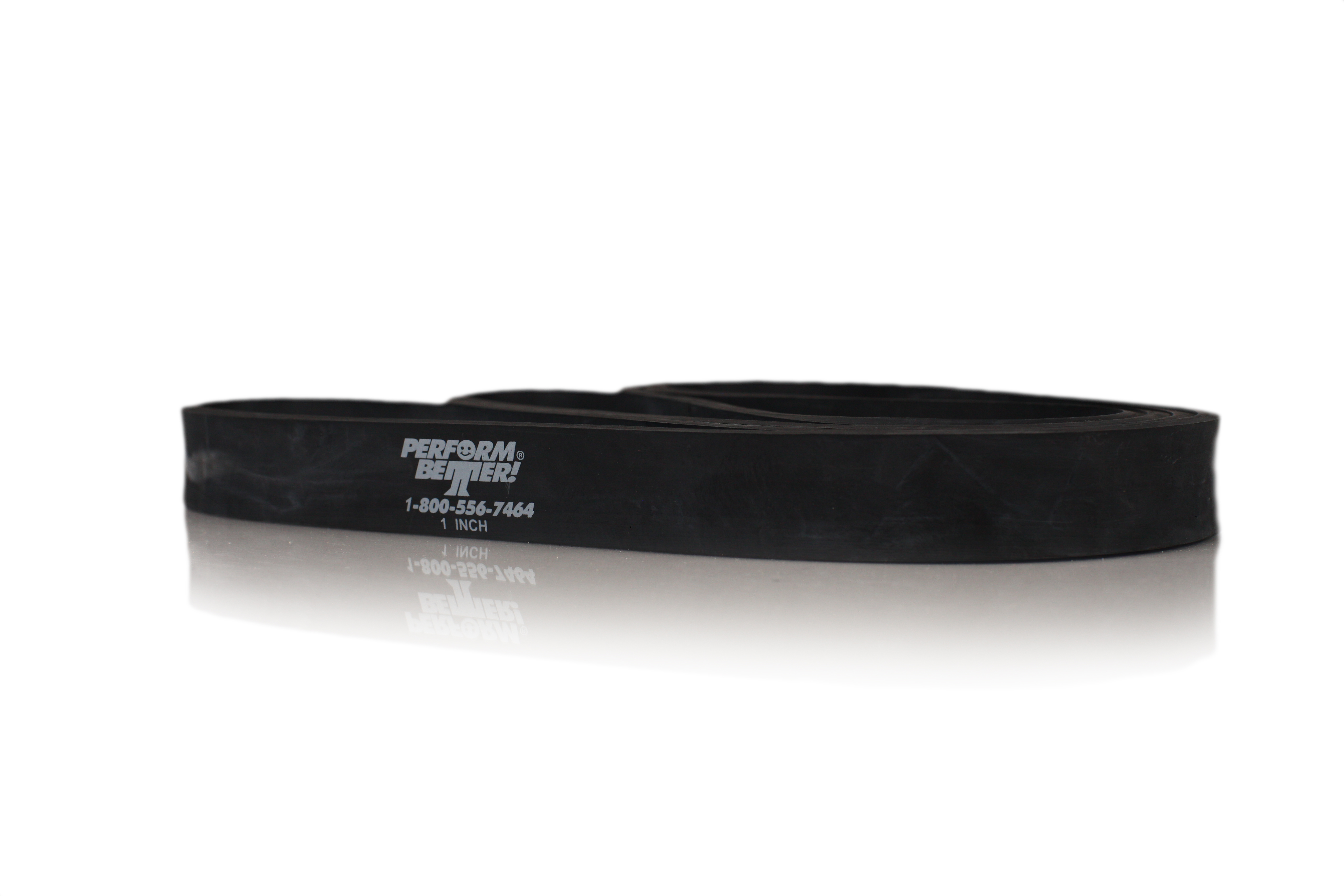
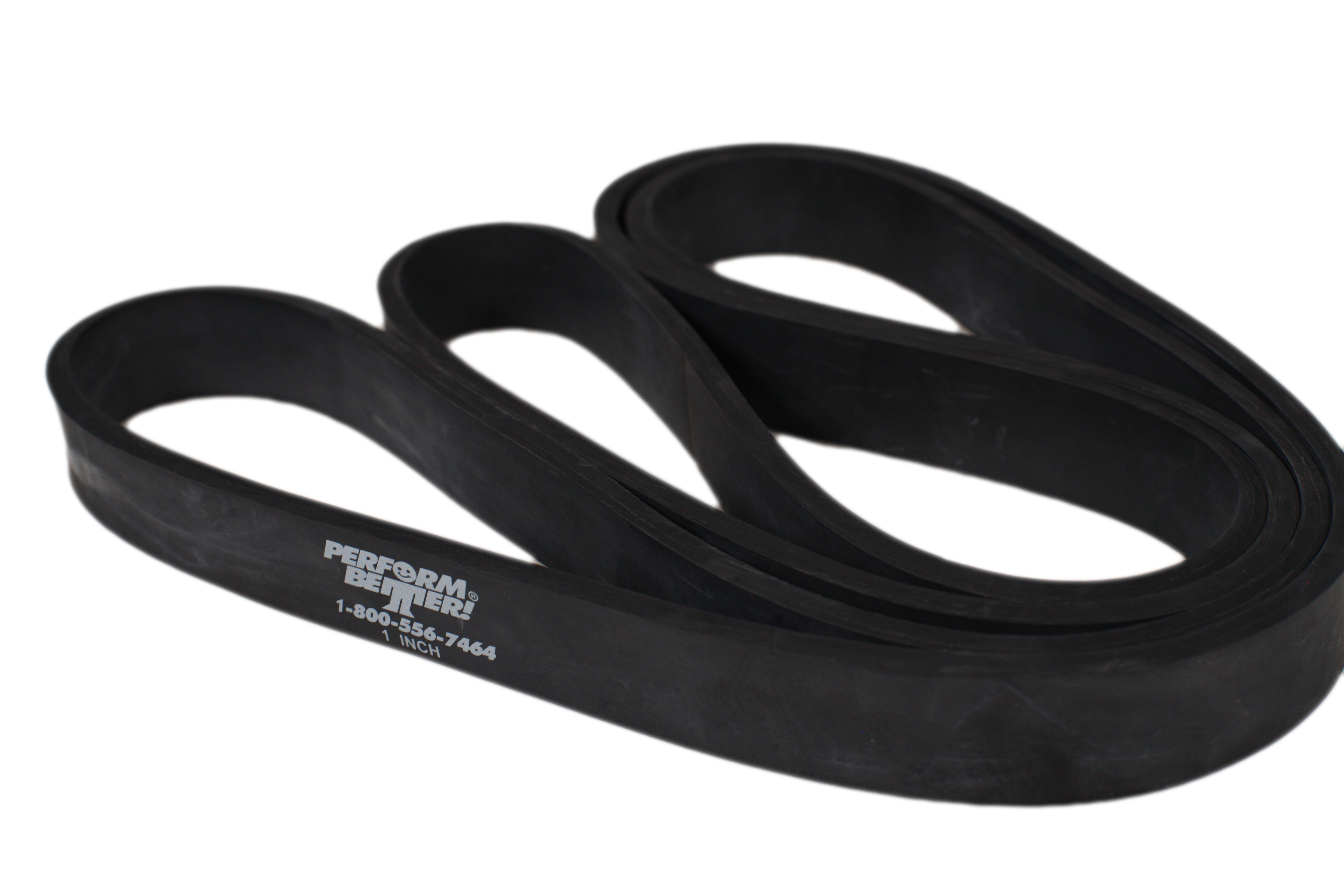
Upper body, arms, abs, legs, glutes – with the Perform Better Superbands, there are no limits to your training. They are suitable both for high-intensity demands in competitive sport and for effective stretching exercises in physiotherapy. The different resistance levels offer you numerous combination options and allow you to gradually increase your training intensity. Depending on your preference, you can train freely with the Superbands or secure them to a fixed anchor point to generate different training intensities (training stimuli). Why train with Superbands? The basic principle of training with Superbands is clear: the bands are made of rubber, and the further you stretch them, the greater the resistance. The bands pull back towards the starting point at the same time. During each exercise, your muscles must work both concentrically and eccentrically against the resistance generated. Training with Superbands therefore increases your strength whilst providing full muscle stimulation. The benefits of training with Superbands Virtually unlimited variety of exercises Ideal training accessory for dynamic full-body workouts Exponential increase in resistance Increased eccentric load Suitable for all fitness levels Use in preventive care Use in rehabilitation following injuries (e.g. proprioceptive training) Can be used as a supplementary tool, e.g. for pull-ups or push-ups Ideal for stretching exercises Suitable for individual and partner exercises Cost-effective Space-saving training option (indoor and outdoor) Can be combined with other equipment (e.g. to generate increased resistance and additional leverage during weightlifting) What resistance level do I need for which exercise? The resistance level you choose for the Superband depends, on the one hand, on your own physical fitness and, on the other, on the muscle groups you wish to train. The narrower versions are particularly suitable for effective and varied training in sprinting, strength training and athletics. They enable intensive exercises such as lunges, running drills, shuffles, shoulder presses, squats, accommodating resistance training and much more. Orange – 6 kg, 0.6 cm Black – 11 kg, 1.25 cm Yellow – 15 kg, 2 cm Black – 22 kg, 2.5 cm Purple – 25 kg, 2.8 cm Green – 32.5 kg, 3.8 cm The stronger versions are particularly suitable for assisting with pull-ups and dips. Thanks to the reduced resistance, even beginners can perform the exercises with ease. The Superbands can also be used in weightlifting to generate increased resistance and additional leverage. Black – 32.5 kg, 4.5 cm Blue – 38 kg, 5 cm Black – 45 kg, 6.5 cm Grey – 95 kg, 8 cm Black – 120 kg, 10 cm Product details Here is a brief overview of the ‘technical’ specifications of the Superbands. If you have any further questions, please feel free to contact our customer service team at any time. Material thickness: 5 mm Length: 1.0 m Material: Latex Different versions identified by colour code Exercises with the Superbands To give you an idea of what you can do with the Superbands, we’ve put together a few classic exercises for you here. Push-ups Start by getting into a forearm plank position and place the Superband across your upper back Wrap each end of the band around your thumb Now place your hands on the floor in the starting position for a push-up Tighten your glutes and core muscles and push yourself up until your arms are fully extended Squats combined with neck presses Stand with both feet on the Superband, slightly wider than shoulder-width apart Grasp the other end of the band with both hands Now bend your knees, push your bottom back and down, and stretch your arms upwards with the Superband Sideways walk Place your Superband across your ankle (or across your knee) Place your feet slightly wider than shoulder-width apart to create tension Now shift your weight to the left and take a large step to the right Repeat this movement (10 steps to the left – 10 steps to the right) Make sure your Superband remains taut at all times Rowing Get into a push-up position and press the Superband firmly onto the floor with your left hand (or hold it firmly) Grasp the top end of the band with your right hand Tighten your glutes and abdominal muscles Now bring your right elbow close to your torso, pulling your right shoulder blade down and back Repeat the exercise on the other side
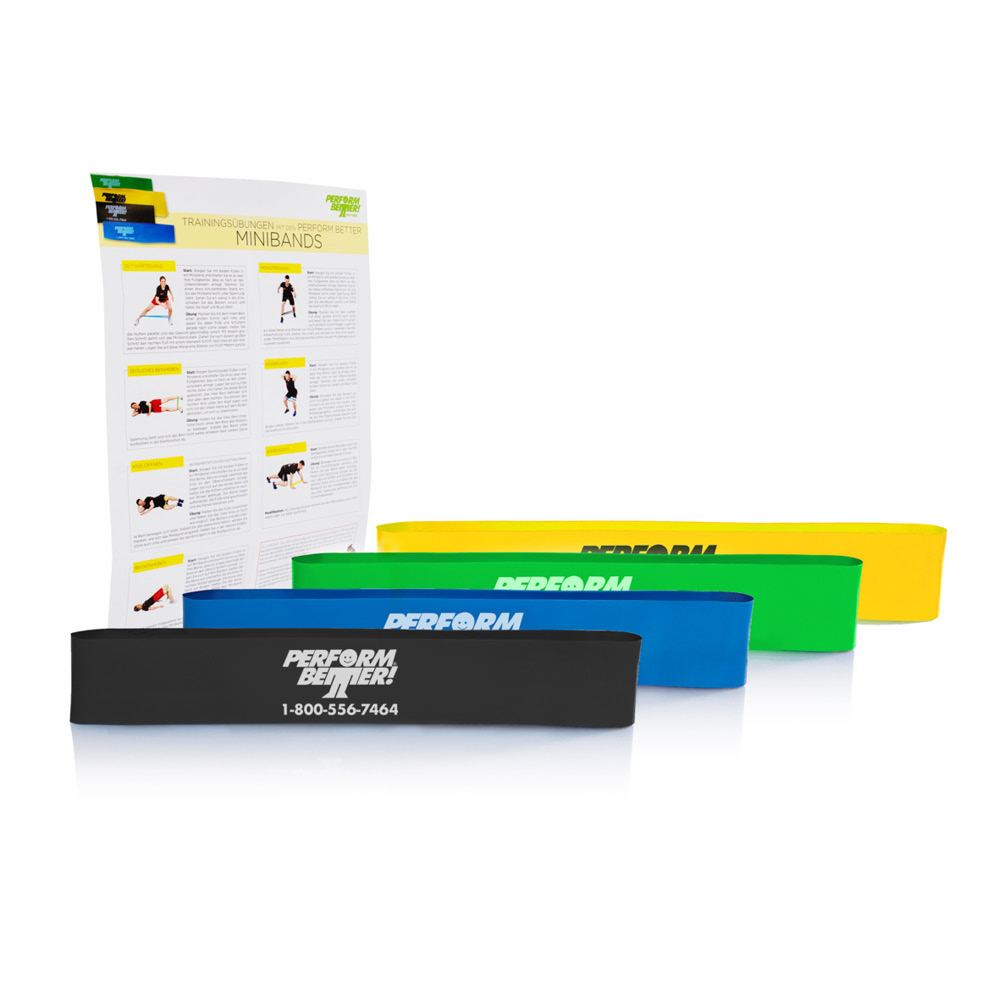
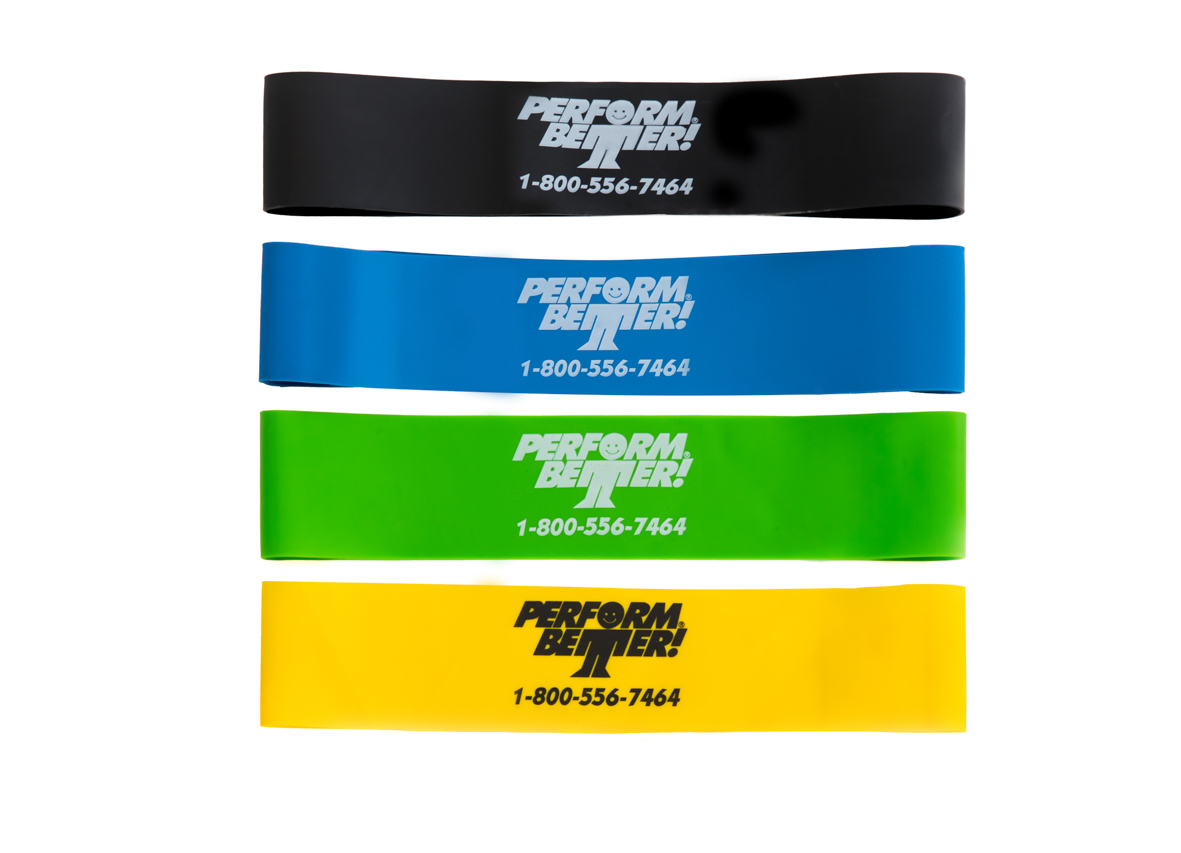
Set of 4 mini bands in all colours, including an exercise posterStretching, strength training, injury prevention – mini bands are handy all-rounders for effective and intensive full-body training. The elastic bands offer a wide range of workout options, even in the most confined spaces, and are ideal for targeted activation and training of major muscle groups such as the thighs and shoulder girdle, as well as the entire core and stabilising muscles. They are also ideal for dynamic warm-ups or during recovery phases following knee and shoulder injuries. The four different resistances available provide the right level of difficulty for every fitness level and can be incorporated into exercises either individually or in combination, e.g. for side steps, squats, shoulder stabilisation exercises, etc.Product detailsLength: approx. 20 cmAvailable in 4 different strengthslatex-containing materialContents (set)1 x mini band, yellow (light)1 x mini band, green (medium)1 x blue mini band (strong)1 x black mini band (extra strong)1 x exercise poster (German)
Books
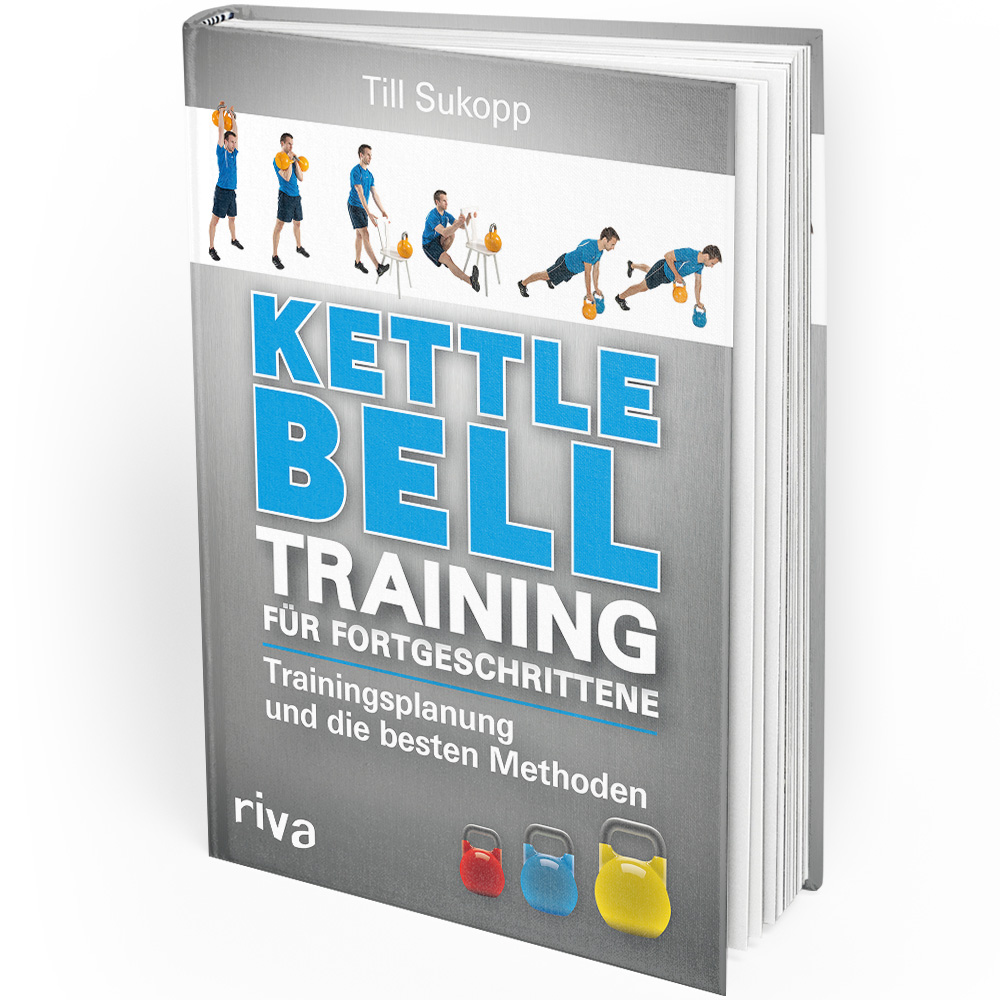
Training planning and the best methodsFollowing on from his bestseller *The Big Kettlebell Training Book*, Germany’s most renowned kettlebell expert, Till Sukopp, has now published a book for advanced trainees that picks up where its predecessor left off. Readers will learn how to create their own programme, tailored specifically to their training goals. To this end, the author provides an overview of the most effective exercises and demonstrates how best to incorporate them into a training programme to achieve optimal results. He introduces a wide range of training methods, such as step-wise partial repetitions, ladder, super-slow, stack, circuit or 5×5 training, right through to effective periodisation. Furthermore, the book explains how to recognise overtraining and how to counteract it. Till Sukopp’s comprehensive handbook equips the reader with the best methods and shows how to get the most out of kettlebell training.About the authorDr Till Sukopp studied sports science at the German Sport University Cologne and obtained his PhD in sports medicine. He gained his extensive practical knowledge through various coaching and lecturing roles, as well as through competitive experience in a range of sports. For the past 15 years, he has been working intensively on effective minimal programmes and functional training methods. He runs a training centre where he offers one-to-one and group training sessions, workshops and seminars.
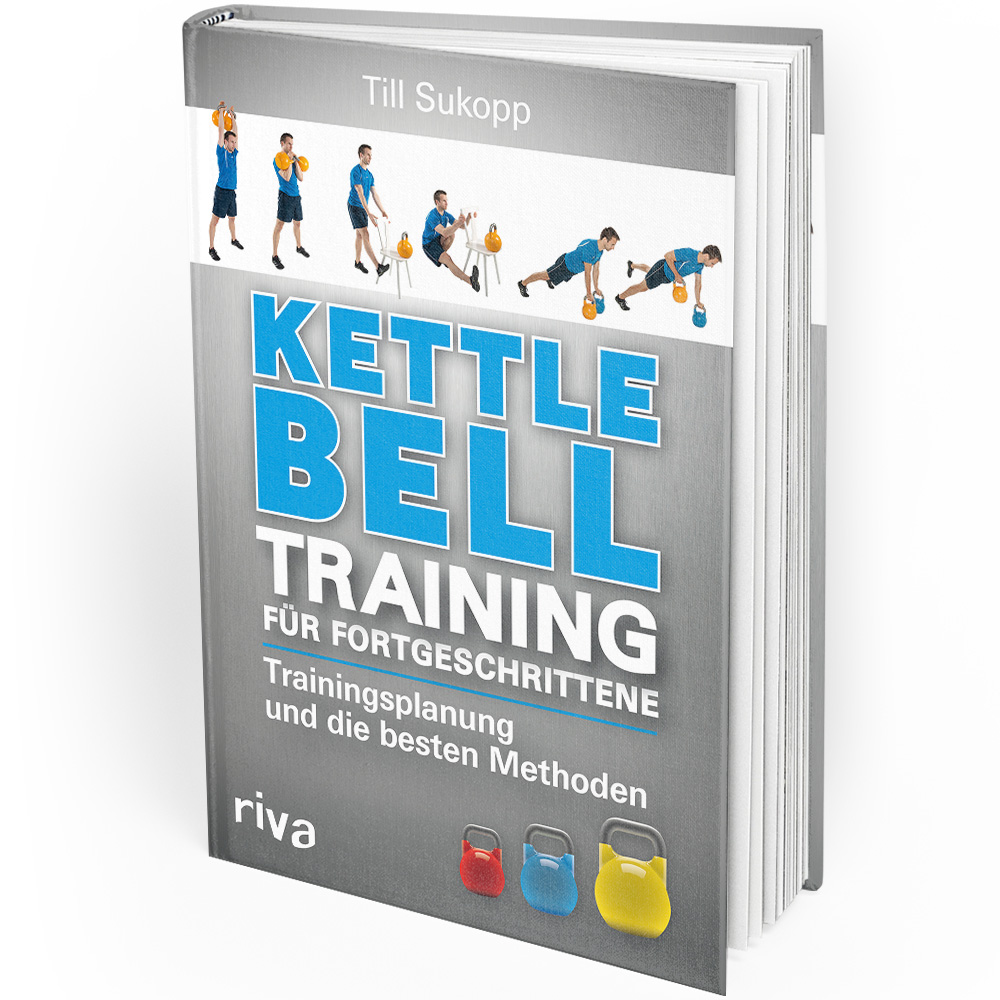
Training planning and the best methodsFollowing on from his bestseller *The Big Kettlebell Training Book*, Germany’s most renowned kettlebell expert, Till Sukopp, has now published a book for advanced trainees that picks up where its predecessor left off. Readers will learn how to create their own programme, tailored specifically to their training goals. To this end, the author provides an overview of the most effective exercises and demonstrates how best to incorporate them into a training programme to achieve optimal results. He presents a wide range of training methods, such as step-wise partial repetitions, ladder, super-slow, stack, circuit or 5×5 training, right through to effective periodisation. Furthermore, the book explains how to recognise overtraining and how to counteract it. Till Sukopp’s comprehensive handbook equips the reader with the best methods and shows how to get the most out of kettlebell training.About the authorDr Till Sukopp studied sports science at the German Sport University Cologne and obtained his PhD in sports medicine. He gained his extensive practical knowledge through various coaching and lecturing roles, as well as through competitive experience in a range of sports. For the past 15 years, he has been working intensively on effective minimal programmes and functional training methods. He runs a training centre where he offers one-to-one and group training sessions, workshops and seminars.Damaged copies In Germany, books are subject to statutory fixed book prices. Exceptions to this are so-called ‘damaged copies’, for which the fixed price rule has been officially waived. These are books with minor damage caused during storage or transport, which are no longer considered to be in mint condition. They are marked with a stamp reading ‘damaged copy’. The books are unused and have never been in private ownership.