
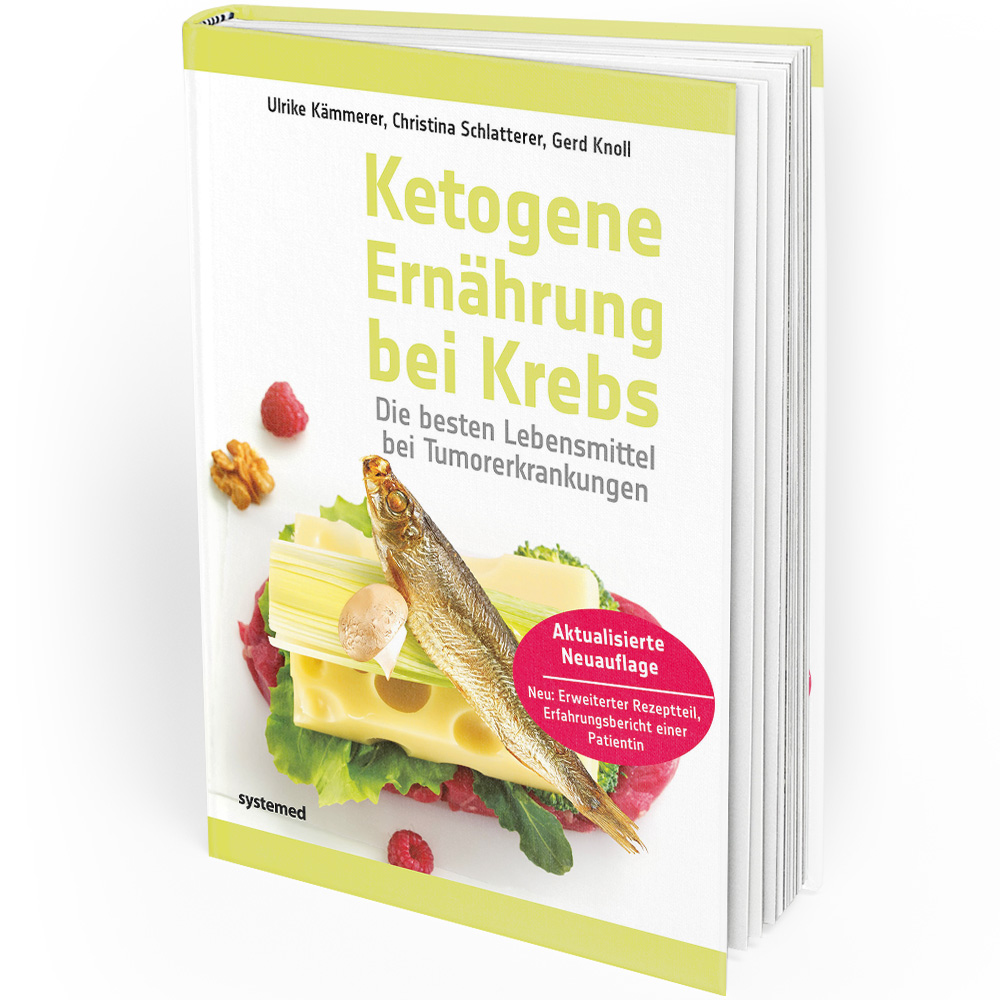
The Ketogenic Diet for Cancer (book)
- Explores metabolism in cancer patients
- Provides the key principles for strengthening the body and regaining health
- Explained simply: the basics of the ketogenic diet
- Practical tips for everyday life & numerous recipes
- Please note: available in German only
€17.99
Currently not available
Description
You might also like this
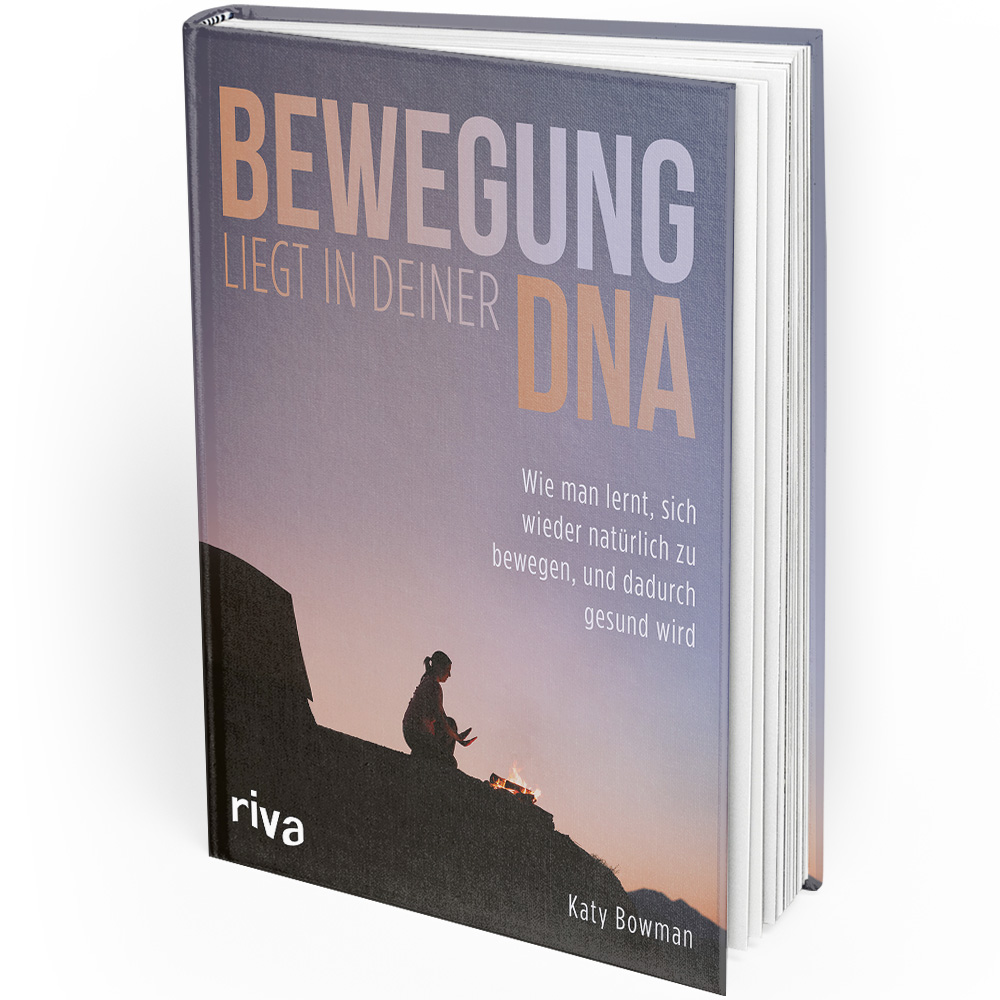
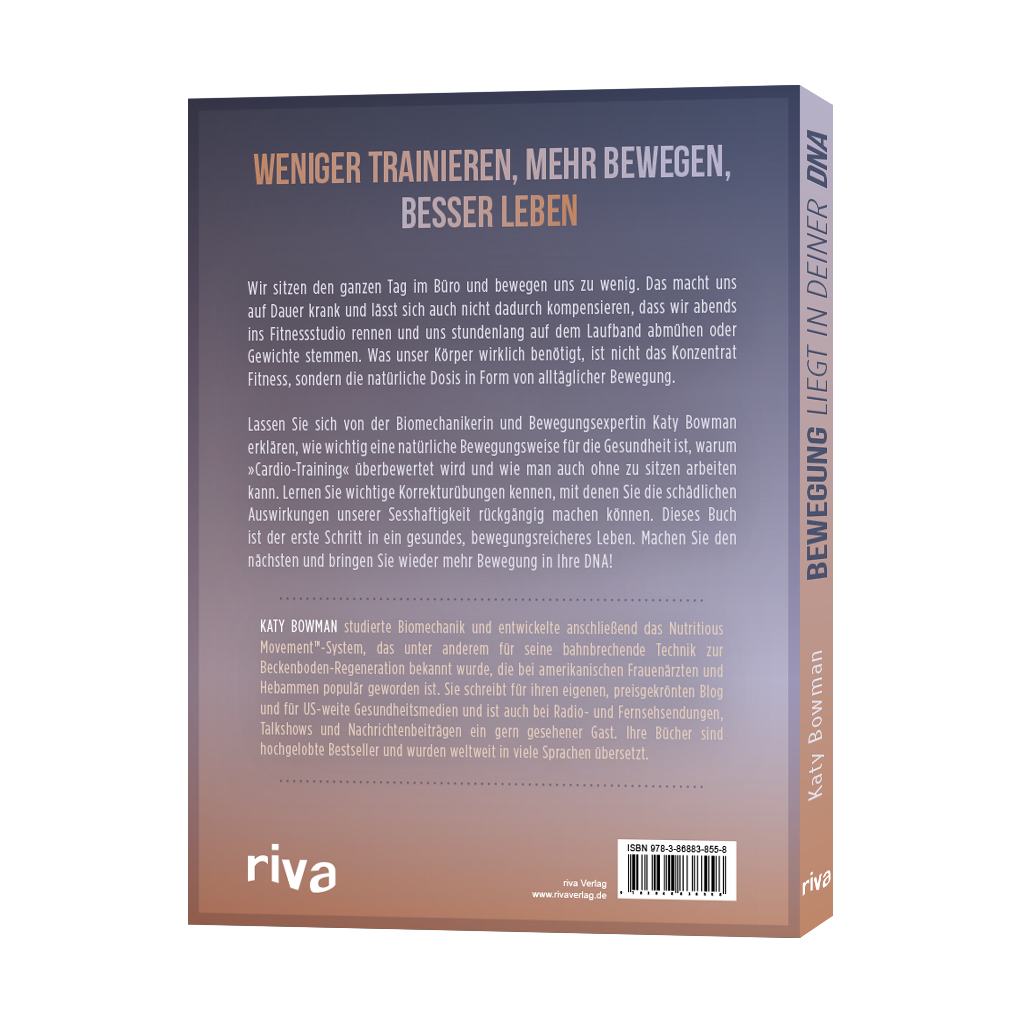
How to learn to move naturally again, and get healthy in the process We sit in the office all day and don’t move enough. In the long run, this makes us ill, and it can’t be compensated for by rushing to the gym in the evening and slogging away on the treadmill for hours or lifting weights. What our bodies really need isn’t a ‘fitness concentrate’, but a natural dose in the form of everyday movement. Let biomechanics expert and movement specialist Katy Bowman explain how important natural movement is for our health, why ‘cardio training’ is overrated, and how you can work without sitting down. Discover key corrective exercises that can help you reverse the harmful effects of our sedentary lifestyles. This book is the first step towards a healthy, more active life. Take the next step and get more movement back into your DNA! Read an extract To the table of contentsAbout the author: Katy Bowman studied biomechanics and went on to develop the Nutritious Movement™ system, which is known, amongst other things, for its groundbreaking technique for pelvic floor regeneration, which has become popular amongst American gynaecologists and midwives. She writes for her own award-winning blog and for US health media outlets, and is also a regular guest on radio and television programmes, talk shows and news features. Her books are highly acclaimed bestsellers and have been translated into many languages worldwide.

With his book *Core Performance*, Mark Verstegen revolutionised the fitness industry and popularised functional training and the targeted strengthening of the core muscles. In his role as founder and president of the elite training centres EXOS, formerly Athletes’ Performance, Verstegen has, in recent years, prepared top athletes from football, American football and baseball, as well as elite soldiers from the US Special Operations Forces, for their missions.He has also been responsible for the fitness of the German national football team at the World Cup and European Championships for many years. Now, at last, the fitness expert and bestselling author is revealing the training programme he uses with the professionals: a demanding system that enables top athletes to reach their maximum potential and compete at the very highest level.For this book, Verstegen has translated his concept into tough yet easily implementable workouts that give the trainee speed, explosiveness and strength, whilst also making their movement patterns more efficient and reducing the risk of injury. This programme is perfect for anyone who wants to train as hard as the super-champions of elite sport or special forces personnel in elite combat units. About the authors: Mark Verstegen, born in 1969, is one of the leading experts in competitive sport. The world’s best athletes train at his Athletes’ Performance training centre in Tempe, Arizona. His revolutionary training programme, ‘Core Performance’, has set international standards. The books *Core Performance* and *Core Performance Golf*, as well as the DVDs *Core Performance Football*, *Core Performance Tennis* and *Core Performance Golf*, were published by riva Verlag. Pete Williams, born in 1969, studied at the University of Virginia. He writes for various magazines and has already published 13 books on sport and fitness, including the *Core Performance* series with Mark Verstegen.
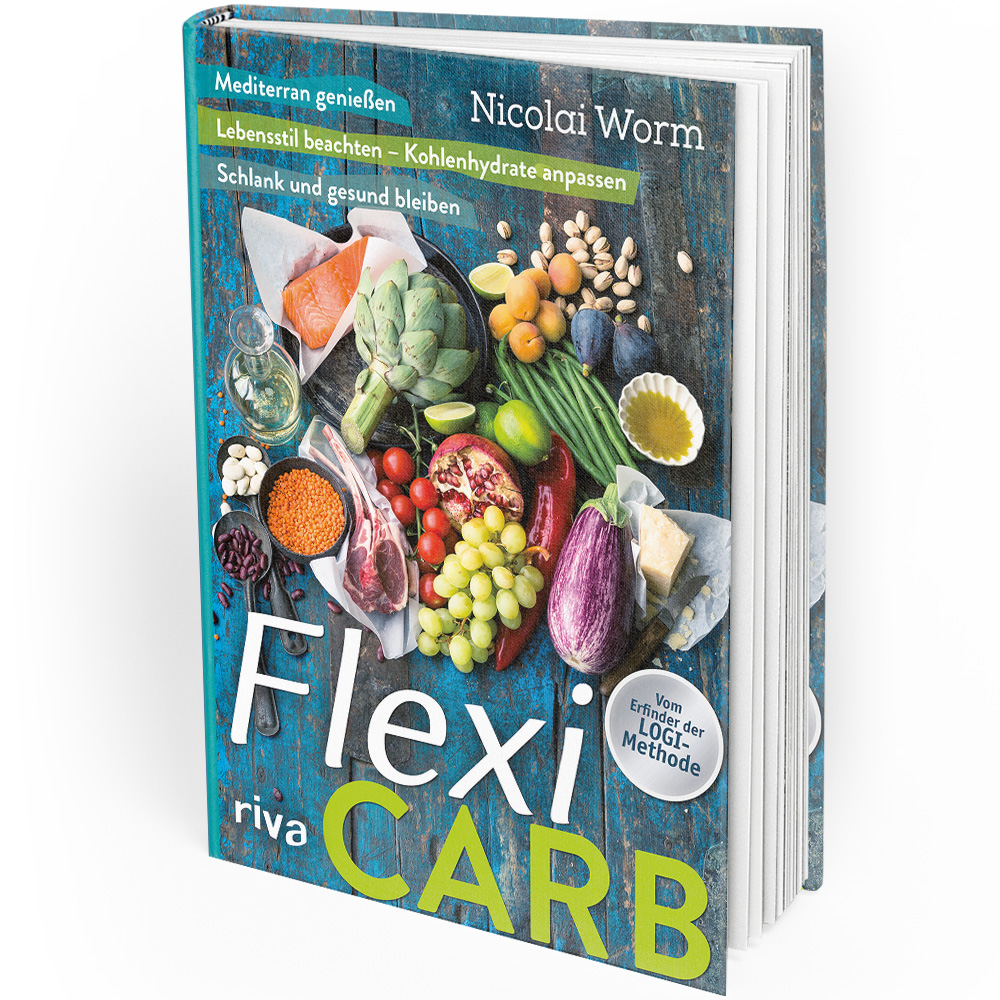
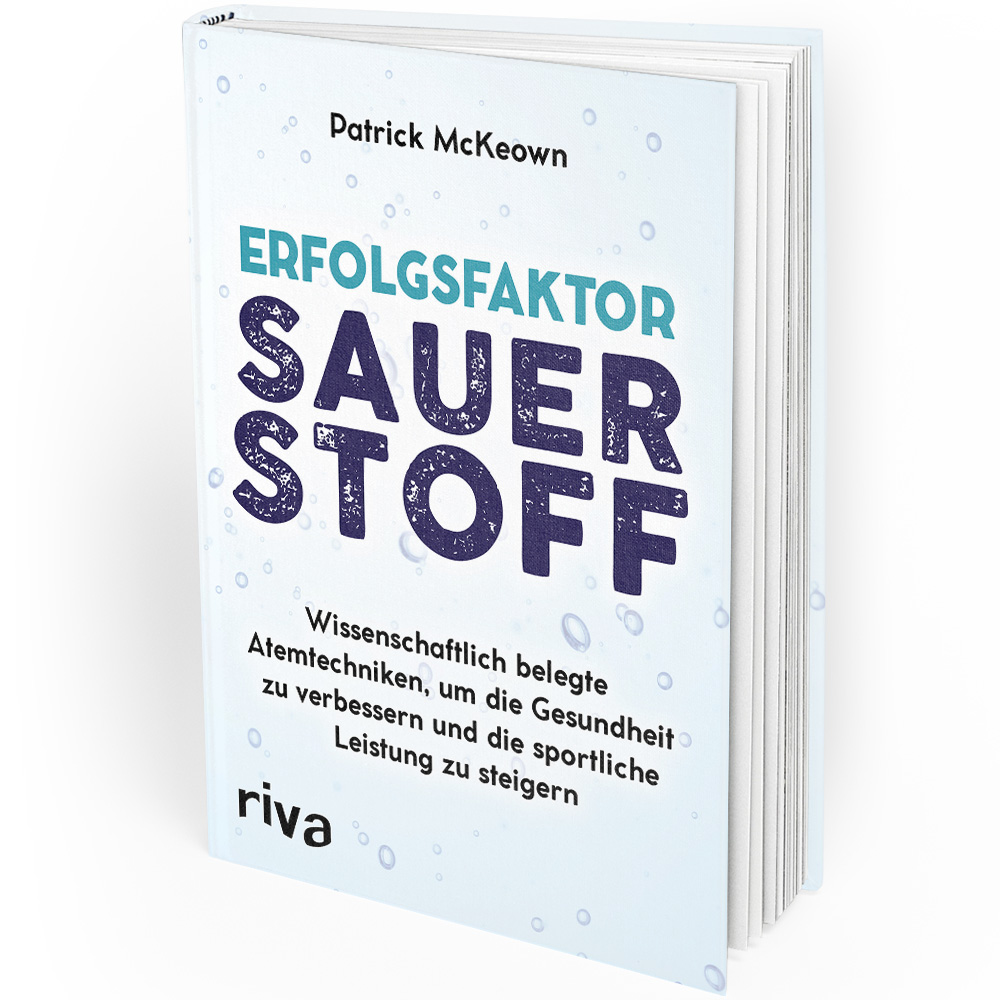
Scientifically proven breathing techniques to improve health and boost sporting performance. Without realising it, most people breathe far too much, which can lead to reduced performance and health problems. Controlled breathing supplies muscles and organs with exactly the right amount of oxygen. This improves fitness and well-being and even helps with weight loss. Patrick McKeown’s scientifically proven techniques show you how to breathe correctly. Using a self-test, you can determine how efficiently your body utilises oxygen and then learn to improve this through simple breathing exercises. A wide range of training plans helps you select the perfect exercises for your individual needs. Whether you’re tackling excess weight or respiratory conditions such as asthma, simulating high-altitude training to boost your aerobic and anaerobic endurance, or simply want to gain more energy, fitness and concentration in your daily life – with Patrick McKeown’s programme, you can breathe your way to a better quality of life! Read an extract About the authors: Patrick McKeown Having suffered from asthma and other respiratory disorders himself for over 20 years, the topic of breathing is a matter close to Patrick McKeown’s heart. In 2002, he completed his training in the Buteyko Method – a complementary medicine approach to treating obstructive respiratory conditions – at the Buteyko Clinic in Moscow. Today, he is the director of Buteyko Clinic International and a member of several medical committees and societies. He delivers workshops and lectures worldwide on respiratory disorders and trains other alternative practitioners in the Buteyko Method. In addition, he has written several books, which have been translated into over ten languages.