

This blog post by Tim Havers deals with the different barbell variations of the squat and their effects on the muscles as well as their application in practice.
Background information
A broad repertoire of exercises is not only interesting for trainers and athletes, but also for people in the leisure and hobby sector. This is because a broad exercise repertoire not only means finding new exercises that target a specific muscle group, but also varying exercises in such a way that strengths and weaknesses can be targeted. Today we are focussing on the squat. What barbell variations are there and how do they differ?
Barbell squat - rack matters!
The most common variations of the squat are the back squat, which is divided into a high-bar squat (high bar; also known as the Olympic squat) and a low-bar squat (low bar) (Figure 1), and the front squat.
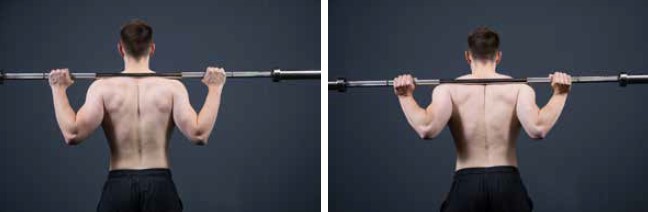
The barbell position influences the muscular load during strength training. In the high bar position, the barbell rests on the trapezius, while in the low bar position it rests on the contracted shoulders. These differences lead to different demands on the body. In the low-bar position, the upper body must be tilted forwards more in order to keep the barbell balanced over the centre of the foot.
This may also result in different demands on the muscles in order to move the load effectively. For example, it has been shown that the gluteal muscles, the ischiocrural muscles (back of the thigh) and the back extensor muscles tend to be more strongly influenced by the stronger stance in the low-bar squat(5). In practice, users of the low-bar squat often adopt a wider stance than with a conventional squat in order to get deeper into the end position. If the low-bar squat is performed with a wide stance, it can be roughly summarised that this version of the squat in particular is more hip-dominant and can often be associated with a higher load (6). This is often the reason why the low-bar version is used in powerlifting (Figure 2).
In contrast, the high-bar version of the squat appears to place slightly more strain on the quadriceps muscles (front of the thigh), especially if the stance is chosen to be shoulder-width to hip-width (6). As the barbell rests on the upper part of the trapezius muscle here, the barbell can be balanced over the midfoot with good ankle mobility. As a result, the knees are often pushed beyond the toes, which leads to greater knee flexion and therefore greater involvement of the front of the thigh when straightening up (see Figure 3).
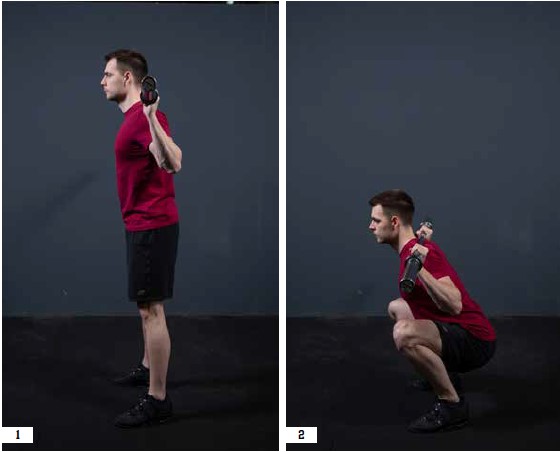
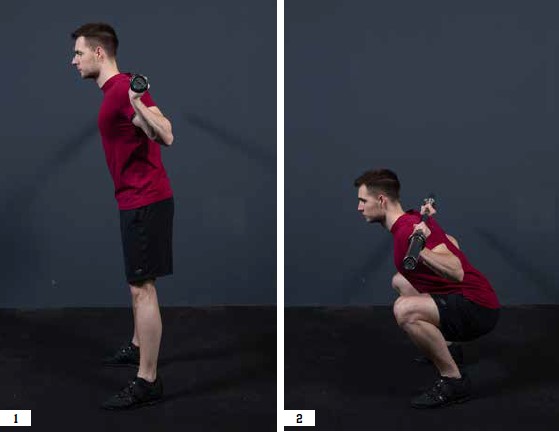
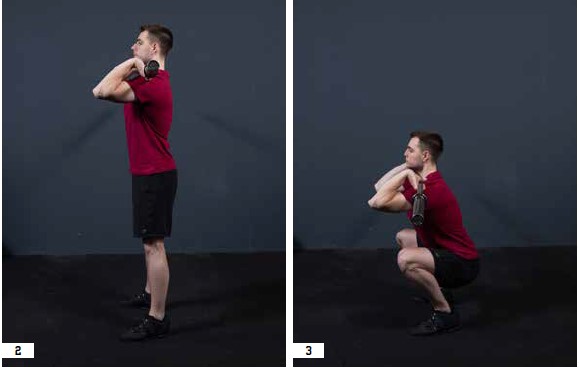
Now that we know the differences between the squat on the back of the body, the question arises as to what differences there are to the squat on the front of the body (ergo front squat). As already mentioned, the barbell is placed on the front of the shoulder. The arms are bent backwards and the bar is held in an underhand grip if there is sufficient mobility (Figure 4). If there is a lack of mobility in the shoulder, the bar is often held in a cross grip, with the hands holding the barbell in an overhand grip with the forearms crossed. If you compare the high-bar squat with the front squat, the front squat shows greater activity in the front of the thigh, specifically in the vastus medialis and rectus femoris muscles, while the high-bar squat involves more of the semitendinosus muscle, the hip extensor on the back of the thigh - even though significantly less weight can often be moved in the front squat (1, 8). This is probably due to the stronger body extension in the high-bar squat.
Safetey Bar Squat - hype or underrated?
In addition, there are variations of the squat that are more related to the barbell design, such as the safety bar squat. The safety squat bar is a barbell with a curvature at each end and handles that protrude in front of the bar. In many models, the curvature points forwards, shifting the centre of gravity slightly forwards (Figure 5). Trainers and athletes choose this barbell to reduce the load on the upper body and at the same time train the thigh and hip muscles.
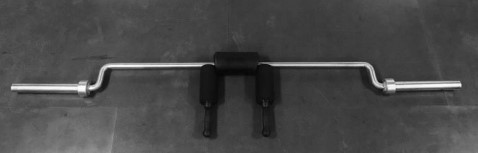
Here, too, there are already comparisons of exercises between the safety bar squat and the back squat in the literature (3, 4, 7). On average, the load is ~10% lower with the safety bar squat. The use of the safety bar squat results in a more upright trunk tilt compared to the high bar squat, potentially resulting in a more favourable position for the gluteus maximus to contribute to the hip extension moment (4). However, it has also been shown that the safety bar squat variation may favour slightly less involvement of the trapezius muscle, the back extensor muscle and the anterior thigh muscle (3). The former can be an advantage for the relief of the upper body. However, the relief of the thigh is not yet crystal clear, as different studies show different results here (3, 4, 7). The saftey bar squat can therefore be a useful addition and variation to strength training.
Conclusion:
1. the barbell squat variations should be seen as a continuum. Depending on the proportions, mobility, experience and injury history of the trainee, there are a number of variations of the barbell squat that can be used.
2. If you want to train the front thigh muscles in particular with the squat, then choose a high-bar squat in a rather narrow position or the front squat (2).
3. If you want to strengthen your hip extensor muscles in particular, then the low-bar squat with a wide stance is the best variation (2).
4 There is no such thing as 'THE' perfect squat technique! It is not recommended to generally orientate yourself on the exercise execution of 'role models'. YOU are not YOUR role model!
Sources
Our highlights for your workout
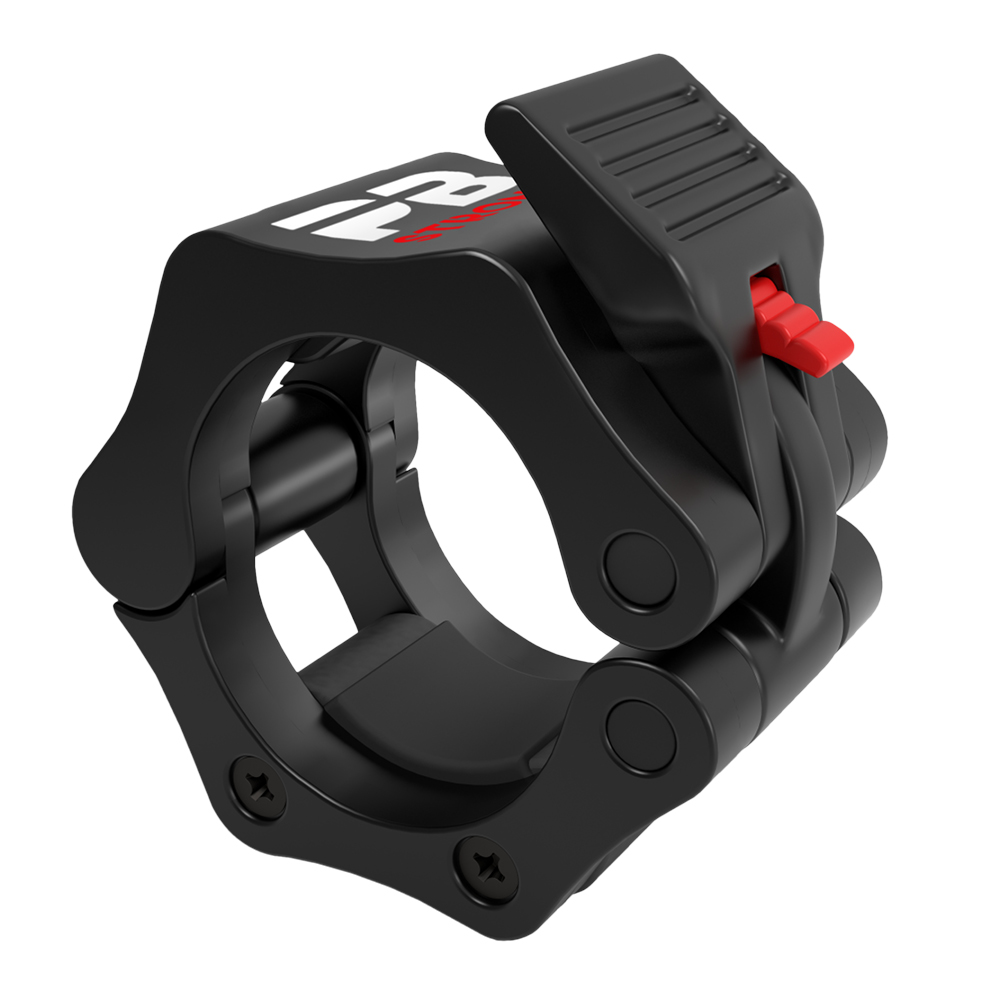
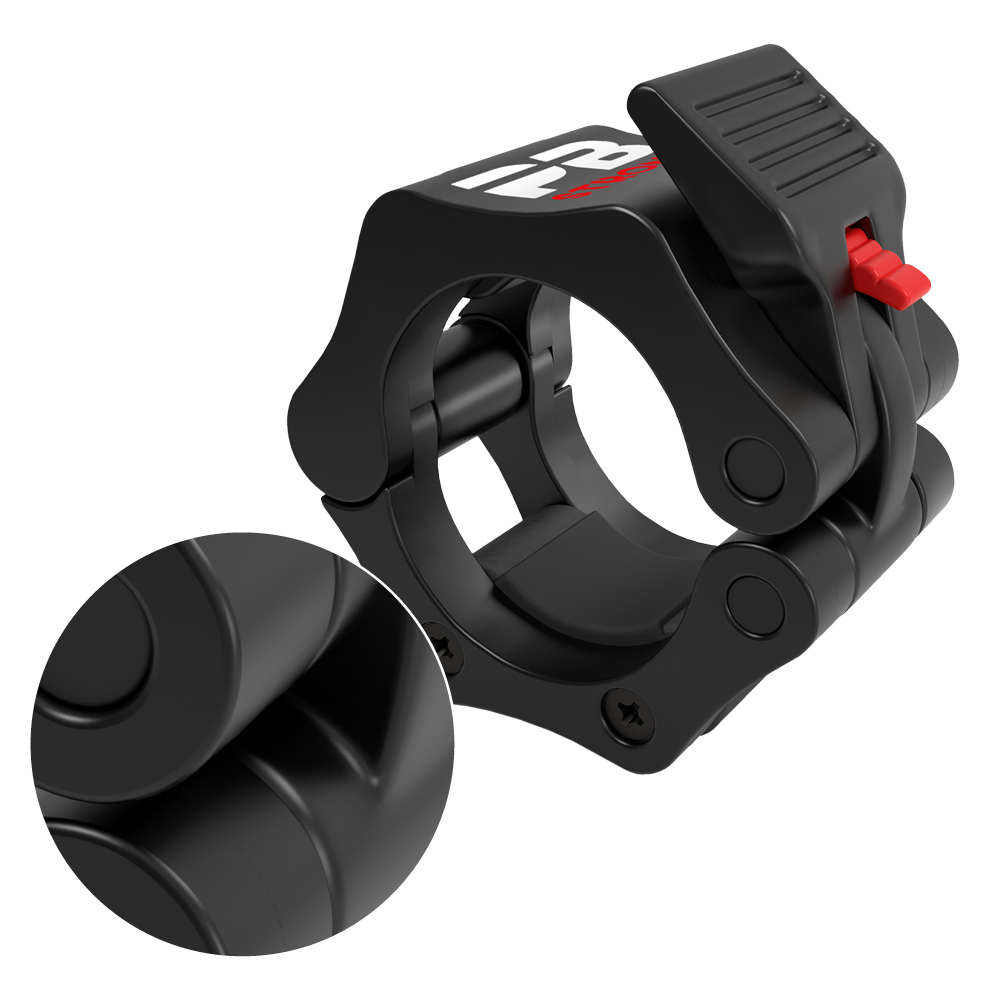
PB Strong Barbell LockIdeal for securing weights in a variety of waysThe PB Strong Lockjaw Pro barbell locks are extremely robust and of high quality. Thanks to the simple one-click mechanism, these locks can be attached and removed in just a few seconds. The barbell collars are very lightweight and remain secure even under heavy loads whilst performing exercises. They are highly slip-resistant and offer excellent protection during barbell training.The barbell collars are ideal for securing weights when training with barbells with a disc slot of 50 mm.Product details:Material: hard plasticDiameter: 5 cmColour: BlackWeight: 0.4 kgQuantity supplied: 1 pair
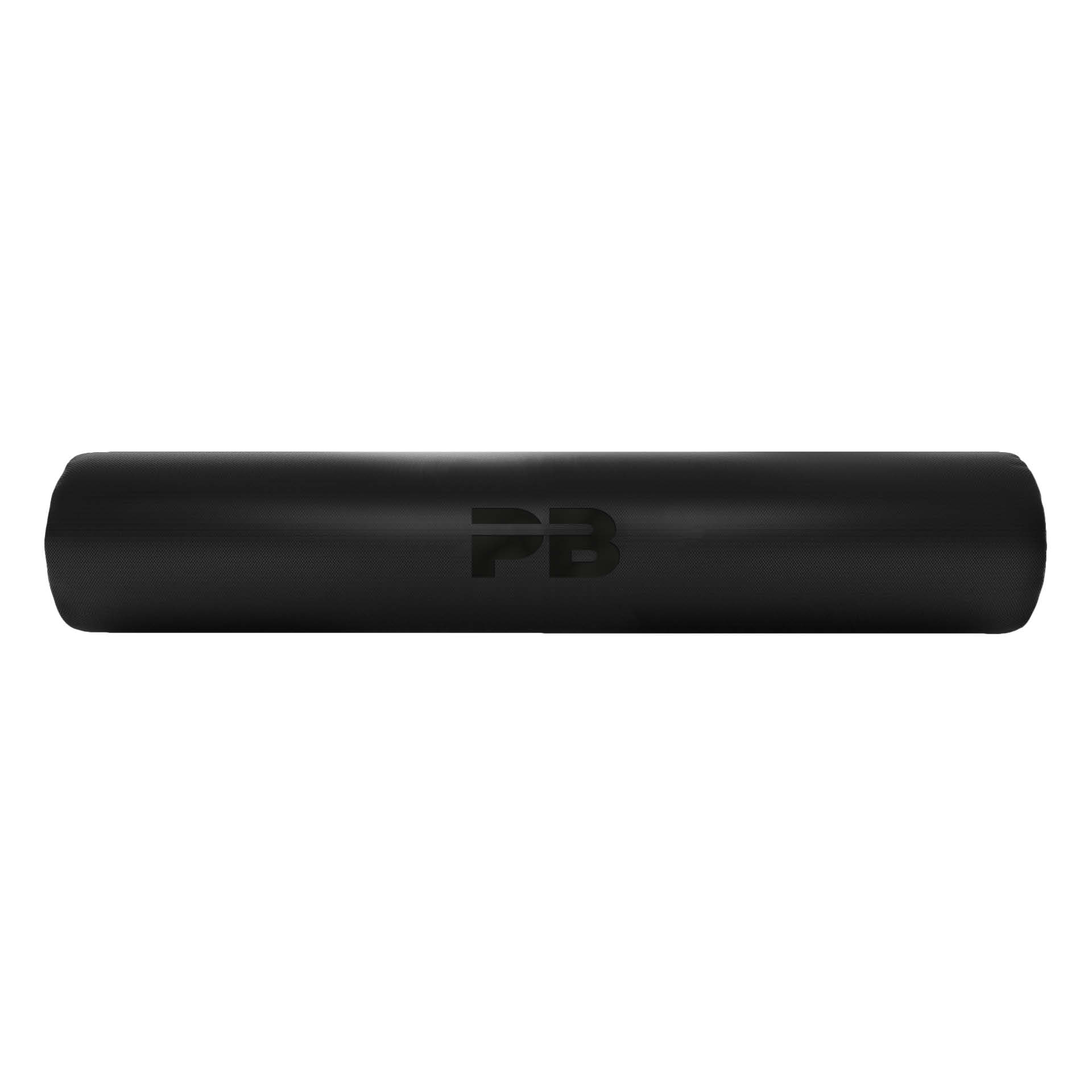
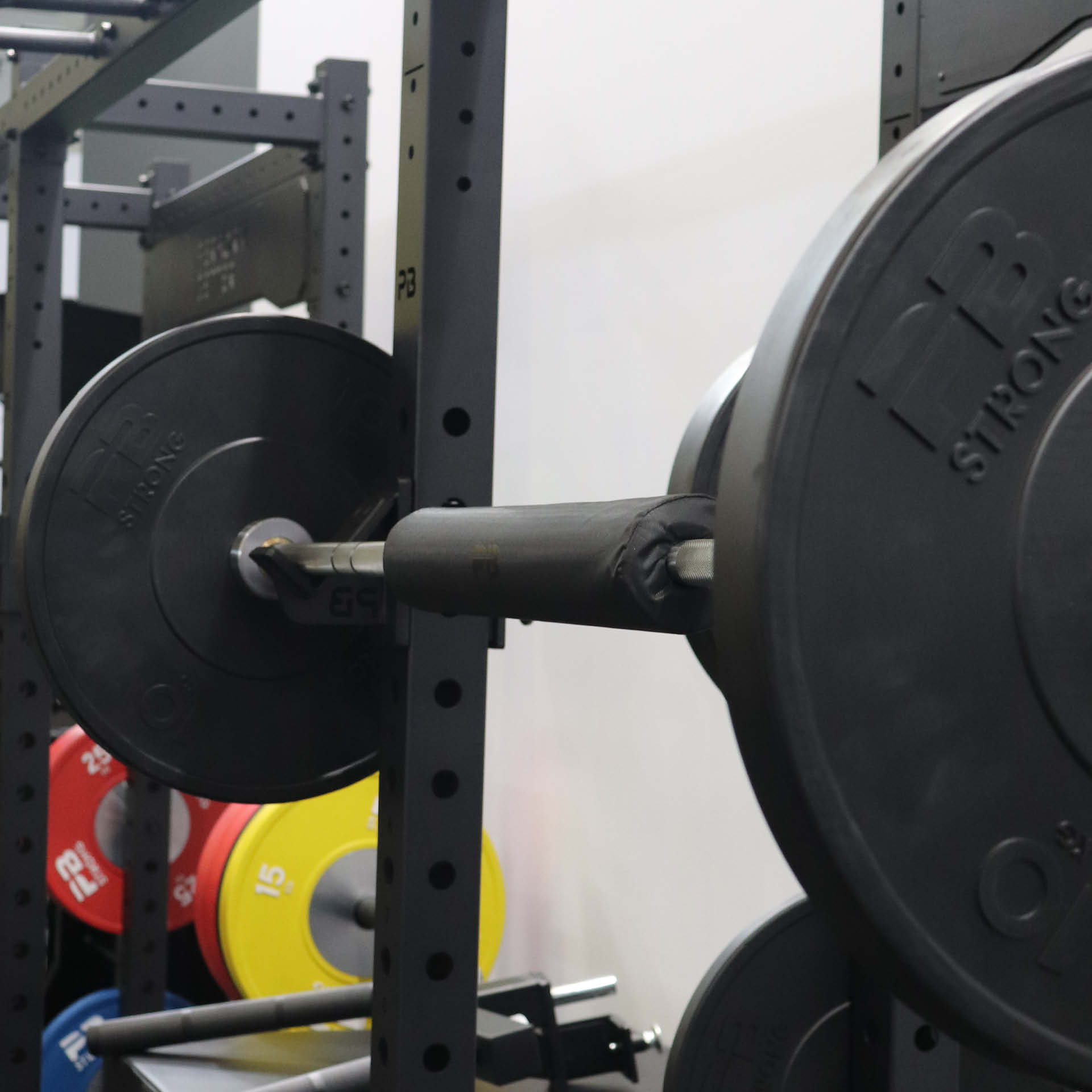
Product information: PB Strong Neck Pad – BlackThe PB Strong Neck Pad for your strength trainingThe PB Strong neck pad offers the perfect protection against pressure marks and bruises (haematomas) when training with a barbell. The padded roll allows for comfortable training with barbells, as it ensures the bar is securely supported whilst also preventing pain during the exercise.The black neck pad made from nylon and foam is suitable for all barbell bars with a grip diameter of 28 mm .Product details:Material: nylon, foamDimensions: 45 cm long, 8 cm in diameterColour: BlackWeight: 0.3 kgFastening: Velcro
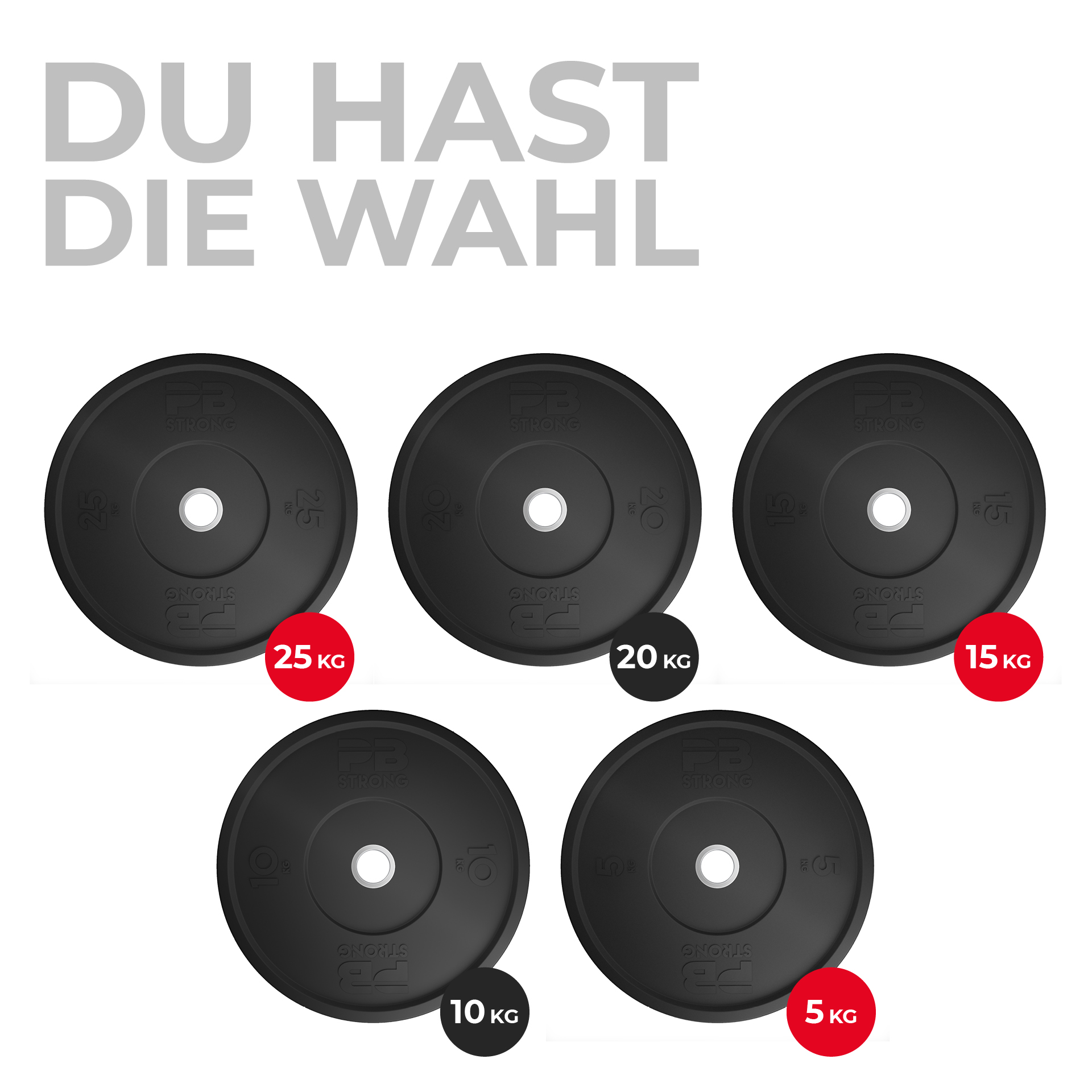
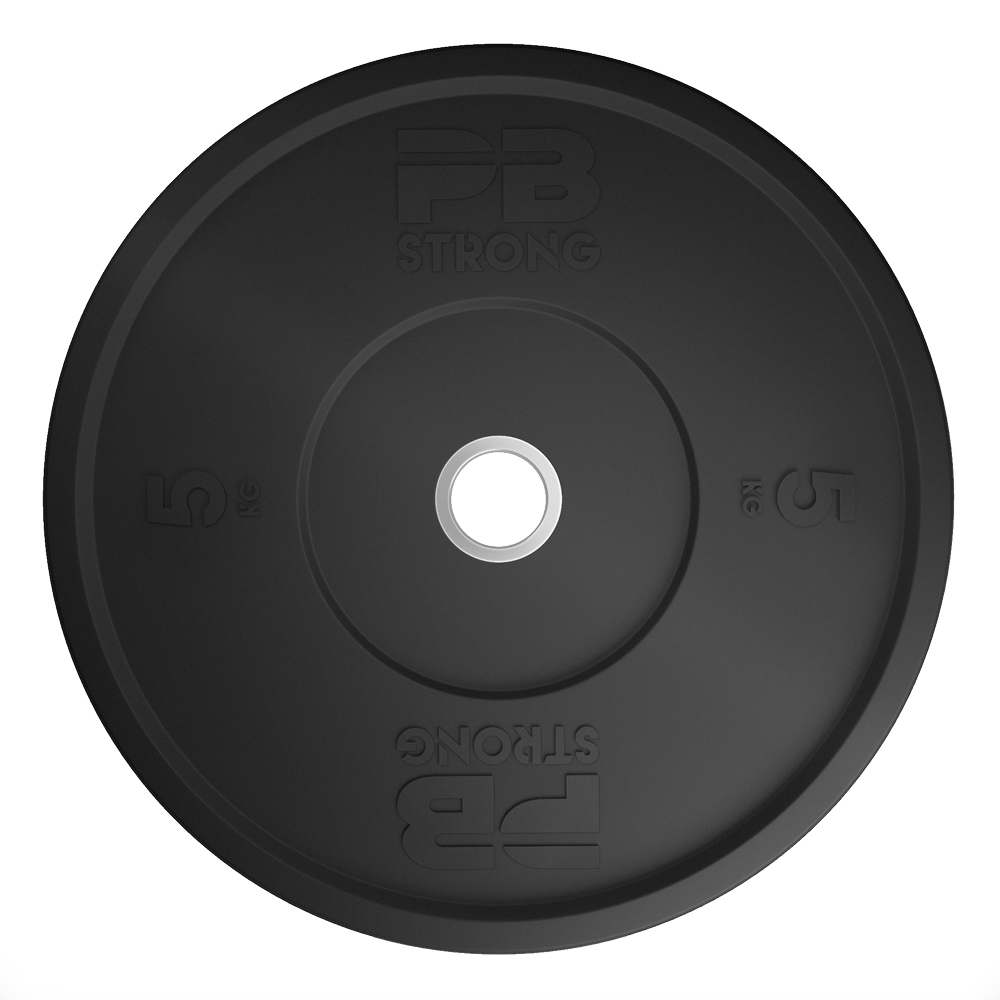
Product information: PB Strong rubber weight plate, black (each)For effective strength training! The PB Strong weight plates fit all barbells with a 50 mm diameter plate socket. Thanks to their high-quality rubber coating, these weights are gentle on floors and resistant to scratches and impacts. The plates are robust and durable. The steel core minimises the rebound of the plate when it hits the floor. These weight plates are suitable for both home use and professional use in the gym.Product details: Material: Hard rubber (weight plate), steel (inner ring)Diameter: 45 cm (outer), 5 cm (inner)Thickness: From 2.5 cm to 8.8 cm (depending on weight) Colour: Black Variants: 5 kg, 10 kg, 15 kg, 20 kg, 25 kgContents: one weight plate

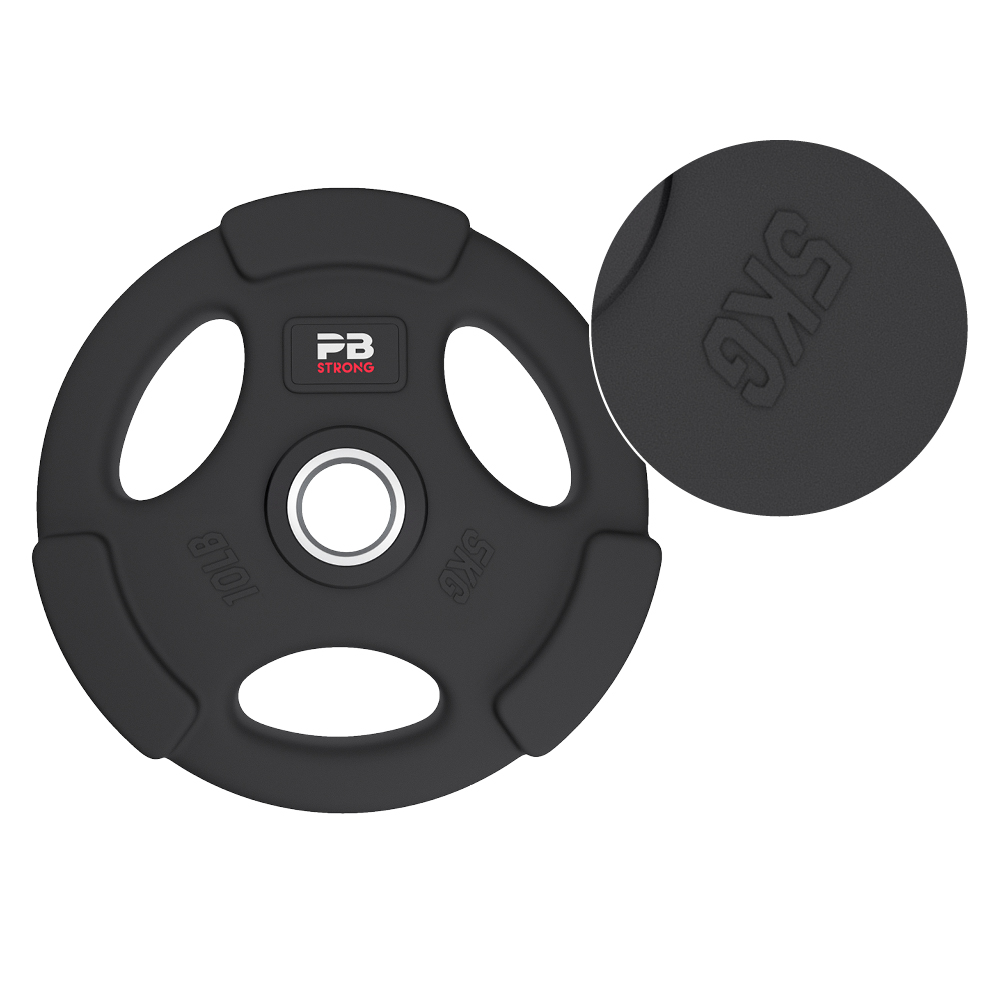
Product information: PB Strong 3-handle rubberised weight plate, black (each)3-grip disc for particularly easy handling. The PB Strong 3-Grip weight plates are compatible with all barbells featuring a 50 mm diameter plate slot. Thanks to the high-quality rubber coating, these weights are gentle on floors and resistant to scratches and impacts. The plates are robust and durable. The steel core minimises the rebound of the plate when it hits the floor. The 3-grip design makes the plates easy to handle.Product details: Material: Hard rubber (weight plate), steel (inner ring)Diameter: 16–42 cm (outer), 5 cm (inner)Thickness: From 2.7 cm – 5.2 cm (depending on weight) Colour: Black Variants: 1.25 kg ∙ 2.5 kg ∙ 5 kg ∙ 10 kg ∙ 15 kg ∙ 20 kg ∙ 25 kgContents: one weight plate
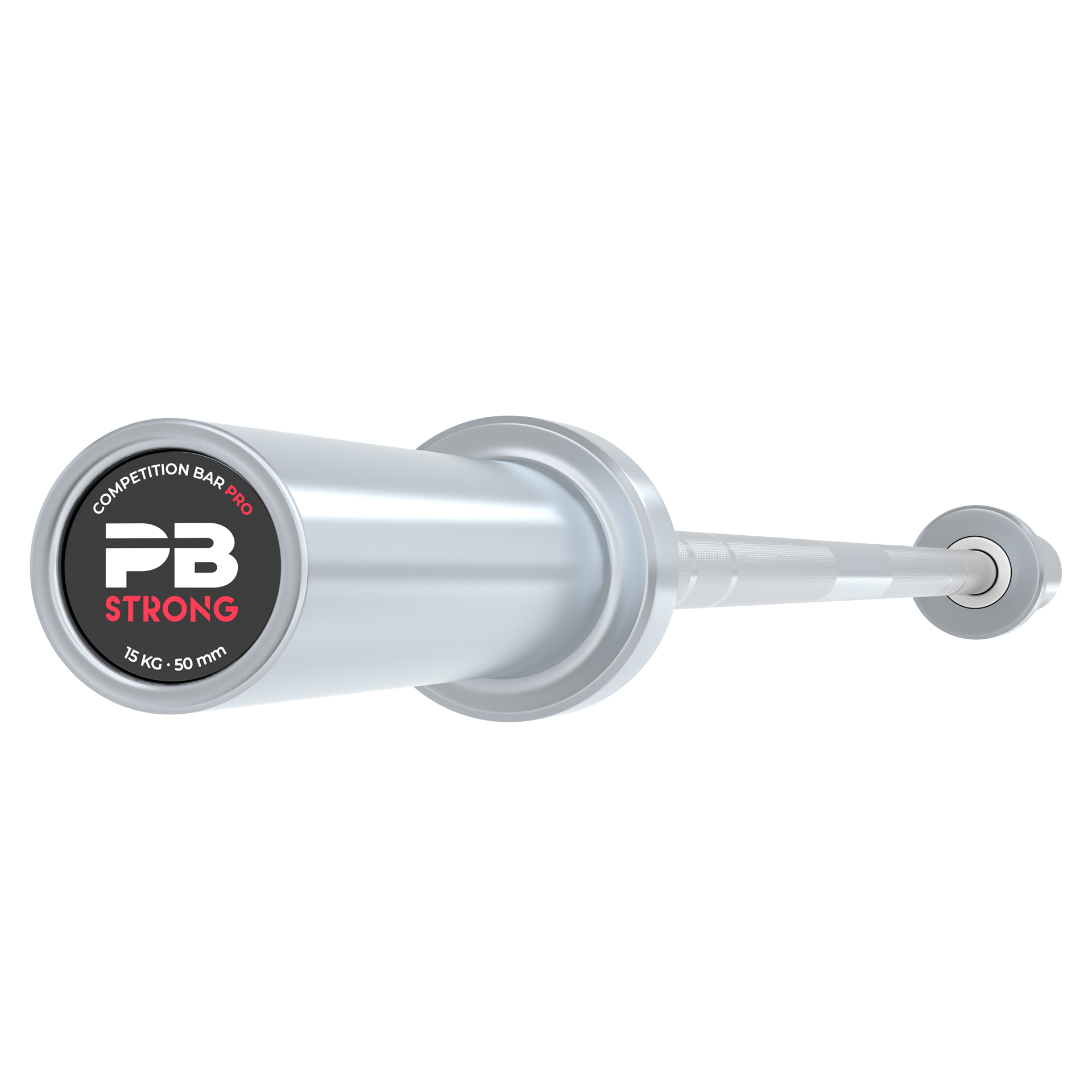
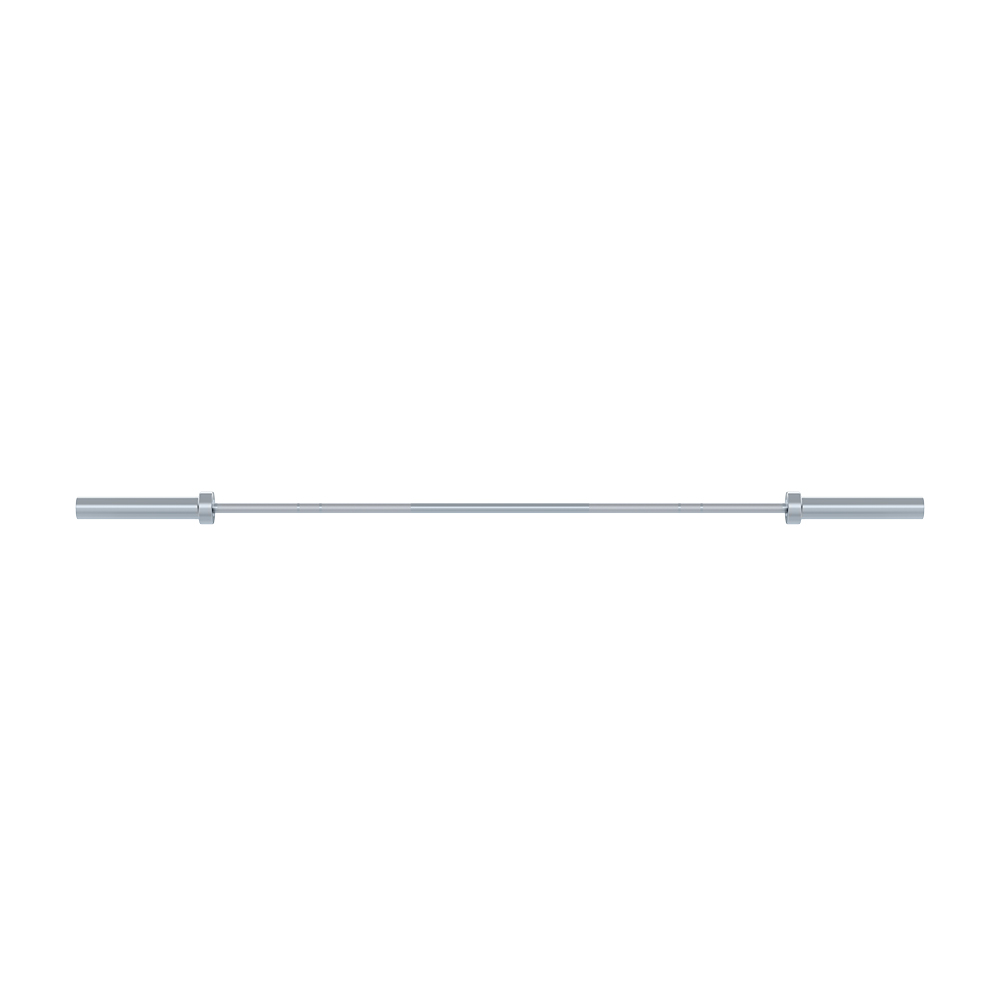
Top-quality barbells for the ideal competition preparation! Thanks to their high-quality alloy, the PB Strong Competition Barbell Pro bars offer extremely high tensile and compressive strength whilst maintaining elasticity. They are very robust and manufactured to a high standard. There are two versions of the barbell bar to choose from, both of which comply with competition specifications. The 15KG bar features 8 hard-chrome needle bearings, which effectively reduce pressure on the hands and joints, thereby enhancing training comfort.Product information Material: alloy steelDimensions: 201 cm long (15 kg) Diameter: 2.5 cm grip (15 kg), 5 cm (weight support) Handle length to the weight plates: 131 cmColour: silver Variants: 15 kg ∙ 20 kg Max. load: 450 kg (15 kg version) Ball bearings: 8 needle bearings, 4 on each side, 165,000 PSI, hard chrome (15 kg)
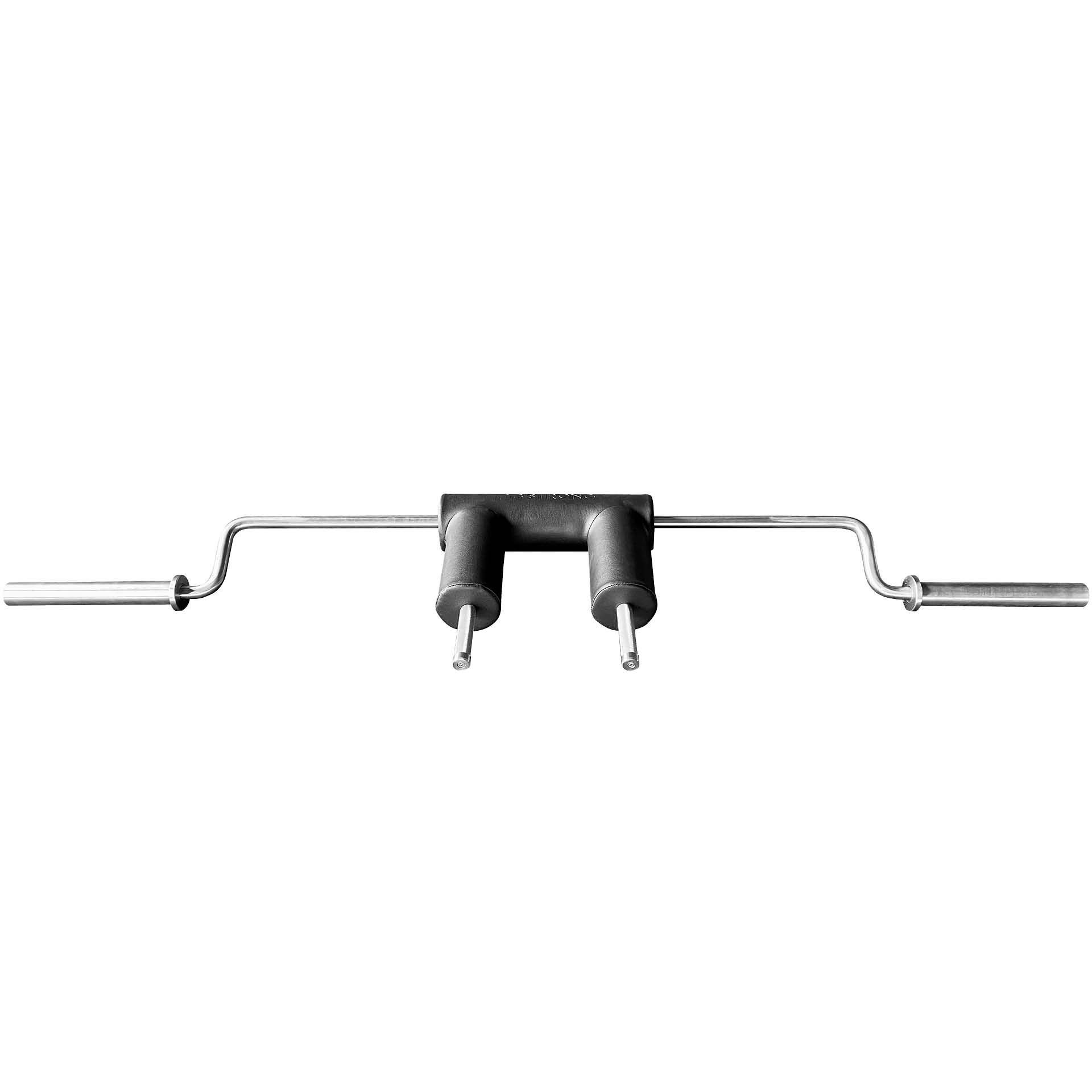
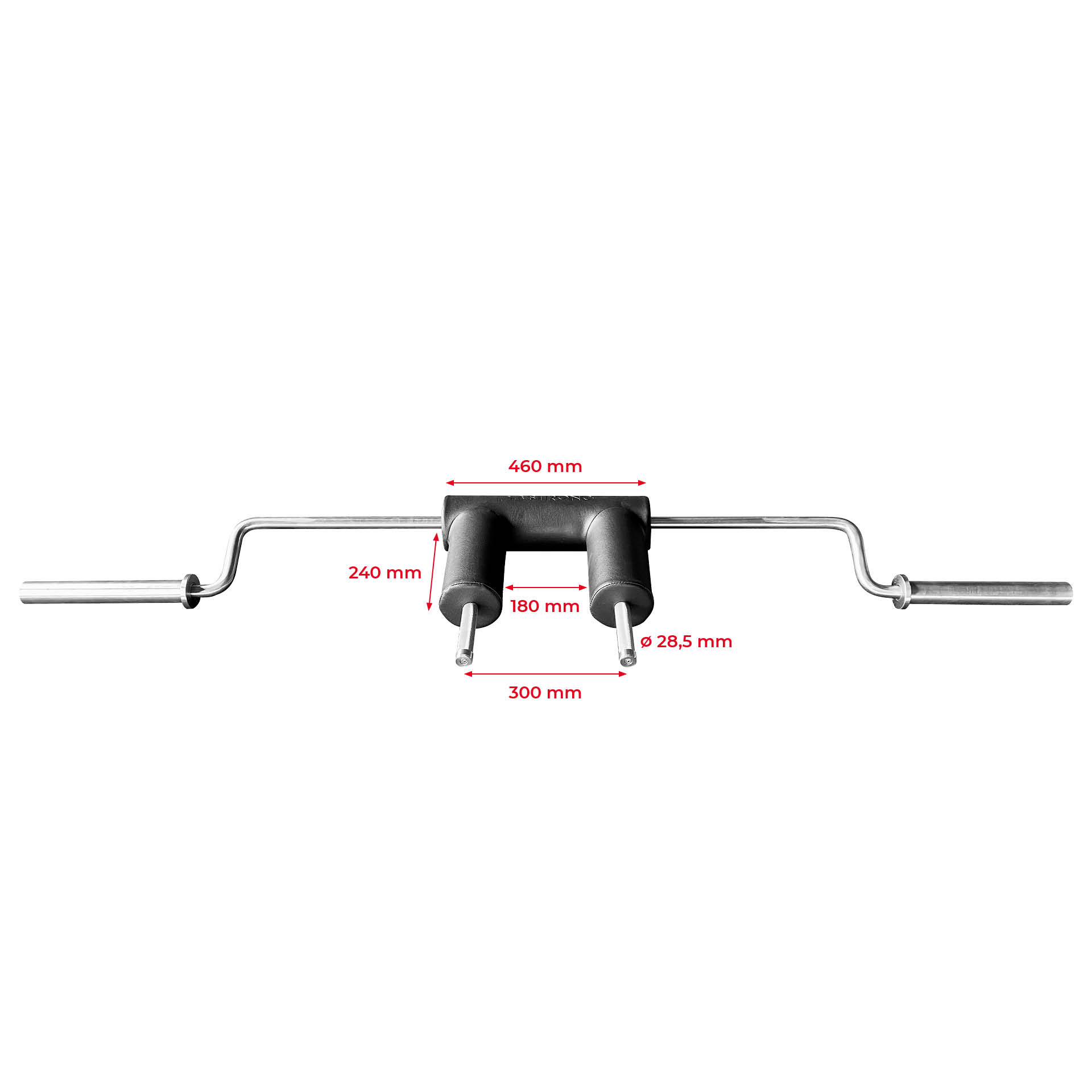
Product information: PB Strong Safety Squat BarThe PB Strong Safety Squat Bar makes squats easier and safer than ever before!Developed in collaboration with trainers and ambitious athletes, this barbell offers unique weight distribution and allows you to perform your squat training in the utmost comfort and safety. Training with the PB Strong Safety Squat Bar strengthens your front core muscles and allows you to vary your power output training between front squats and high-bar squats. As a safe option for intense squats or maximum loads, it increases your maximum working weight compared to the traditional back squat.Product details: Weight: 25 kgLoad capacity: 350 kgLength: 220 cmInner length: 133 cmMounting length: 34 cmKnurled wheel length: 1.2 cmNeck pad length: 46 cmShoulder pad length: 24 cmDistance between shoulder pads: 18 cmDistance between the handles: 30 cmHandle diameter: 2.85 cmColour: Black/SilverMaterial: Steel