
Endurance Training and Strength Training: Understanding Their Effects and Finding the Right Balance for Better Performance
Well-planned, long-term endurance training can have a remarkable impact on your body. This article explores the positive effects of endurance training on the body while showing you how to find the ideal balance between strength and endurance training. Before we take a closer look at this topic, let's first define what endurance actually means.
What Is Endurance?
The Positive Effects of Endurance Training on the Body
Endurance training has a positive effect on several body systems:
- Cardiovascular System: Endurance athletes often develop a stronger and more efficient heart, allowing it to pump more blood with each beat while maintaining a lower heart rate. Both resting and exercise heart rates decrease significantly due to improved oxygen delivery and cardiovascular efficiency.
- Respiratory System: Improved breathing efficiency and increased ventilation capacity are among the many benefits of effective endurance training.
- Muscle Metabolism: Mitochondria—the structures responsible for producing energy in the form of ATP—increase both in number and size. At the same time, blood supply and nutrient delivery to the muscles improve through increased capillarisation.
- Immune System: Regular endurance training strengthens the immune system and enhances the body's natural defence mechanisms.
- Mental Health: Endurance exercise contributes to improved well-being, reduced stress levels, and greater body awareness.
The Art of Combining Strength and Endurance Training
How Endurance Training Affects Strength Performance
Research shows that endurance training can influence the body's adaptations to strength training. The frequency, volume, and intensity of endurance workouts have the greatest impact on explosive strength, while hypertrophy and maximal strength are generally affected to a lesser extent.
To minimise interference with strength development, it is generally recommended to perform endurance training no more than three to four times per week using low to moderate training volumes and keeping the intensity below approximately 80% of your individual VO₂max.
How Strength Training Improves Endurance Performance
Studies have shown that strength training can improve endurance performance in both short- and long-distance running. The best results are typically achieved by focusing on explosive strength and maximal strength training over a period of at least eight weeks.
Summary: Finding the Right Balance
For most athletes, combining strength and endurance training is essential. When programmed correctly, concurrent training does not negatively affect strength adaptations and can even improve endurance performance. The key is to manage training intensity, frequency, and recovery appropriately.
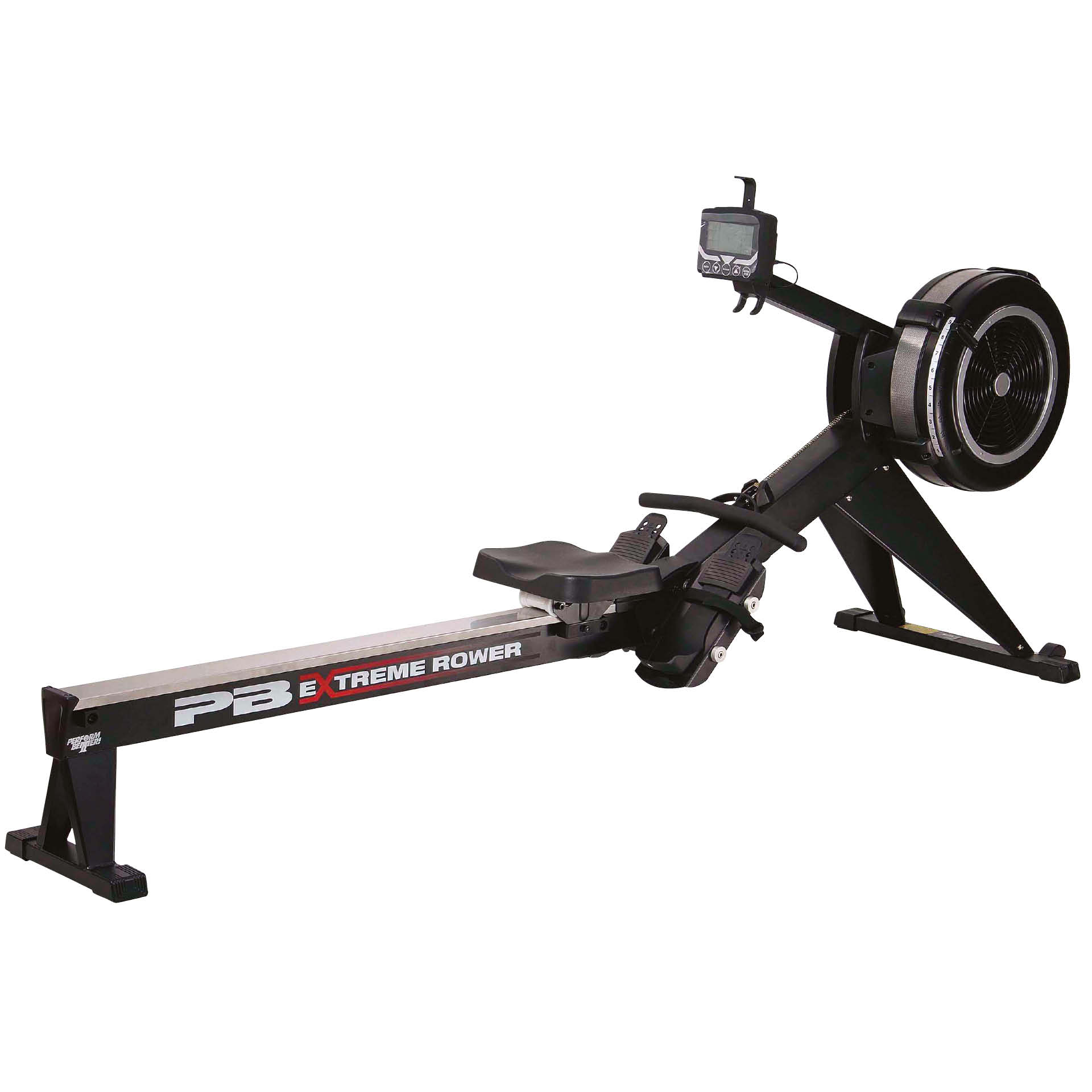
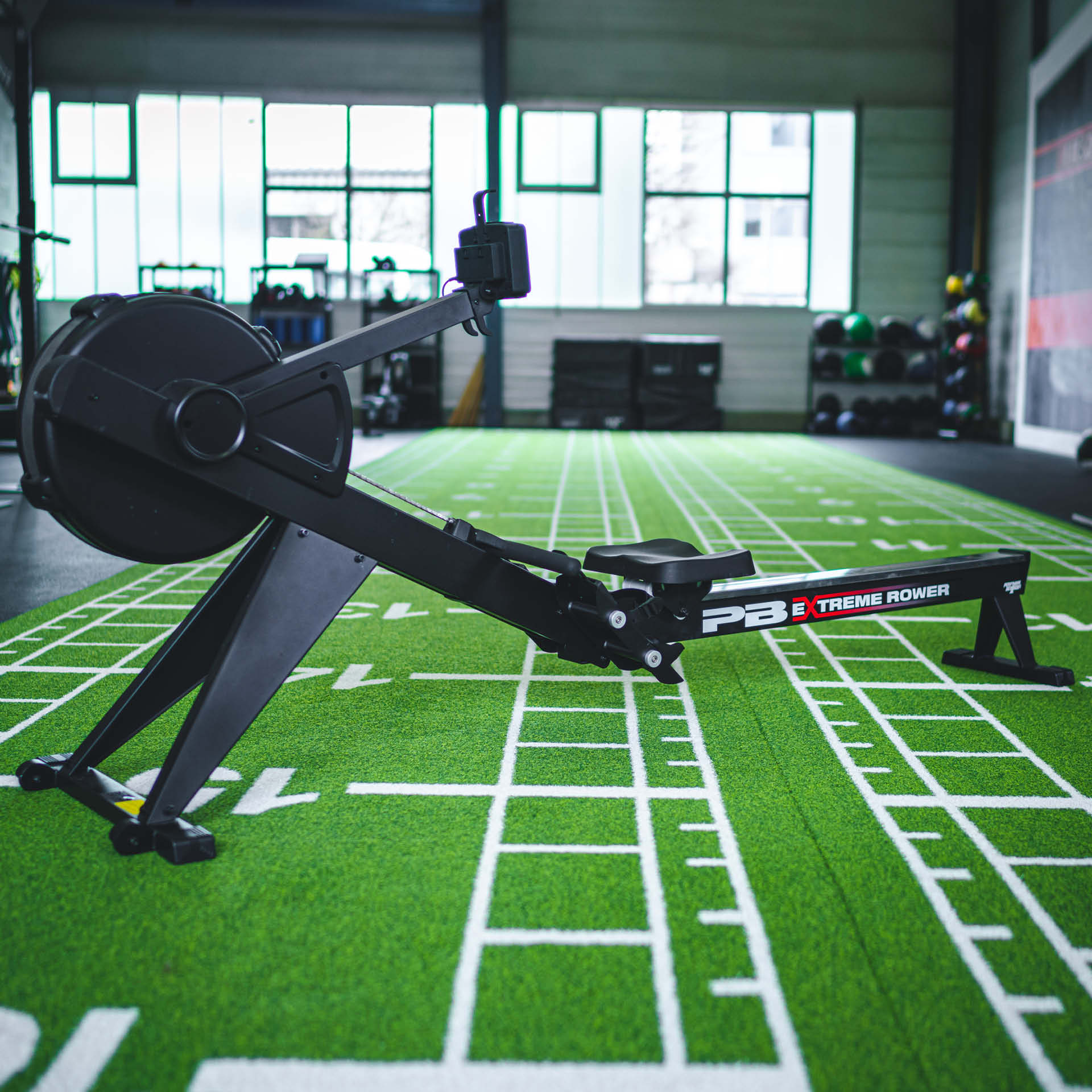
The PB Extreme Rowing Machine: Your rowing machine for intense cardio workouts The perfect cardio machine for a variety of settings The new PB Extreme Rowing Machine is the ideal choice for gyms, hotels or home workouts. Thanks to its versatility, it is a top-of-the-range model for anyone looking to do intense cardio workouts.Effective full-body training Rowing is one of the most effective forms of exercise in the fitness sector. Rowing engages over 75% of the body’s muscle groups, enabling an intense full-body workout. It also provides a challenge for the cardiovascular system. Whether as a warm-up or cool-down for training sessions, or as a standalone strength or cardio session – rowing offers a wide range of possibilities.Make the most of the rowing machine for your trainingWith the PB Extreme rowing machine, you can reap the benefits of indoor rowing. Training on this machine enables effective strength-endurance training and strengthens the whole body. Whether you want to improve your endurance, build muscle or burn fat – this rowing machine is the ideal choice.Buy the PB Extreme rowing machine and start your effective trainingIf you’re looking for a high-quality rowing machine, you should buy the PB Extreme rowing machine. With its versatile uses, precise product specifications and space-saving design, it offers everything you need for intense cardio workouts. Get started today and reap the benefits of rowing training! Product details :Dimensions: 239 x 64 x 110 cm (L/W/H)Weight: approx. 48 kgSeat height: 35.5 cm9-level air resistance adjustmentErgonomic seatDisplay showing time, distance, watts and caloriesCompatible with ANT+ heart rate belts Rowing machine dimensions (assembled)Height: 238 cmWidth: 62 cmDepth: 110 cmUser manual


Assault Air Bike – The must-have for high-intensity interval trainingThe Assault Air Bike features unique technology that regulates pedalling resistance solely through air resistance, enabling a stepless and infinitely adjustable pedalling intensity. The harder you pedal, the greater the resistance.Thanks to the dual-action system, which involves simultaneous pedalling, pulling and pushing movements, this exercise bike guarantees a high-intensity workout with a natural range of motion. The padded hand grips and the extra-reinforced pedals ensure a comfortable and safe workout. The anatomically shaped hybrid seat can be adjusted quickly and easily to four different height settings. A high-resolution LCD display has been integrated to measure various parameters during training. This features numerous functions (e.g. distance, watts, time, calories, heart rate). The various pre-set training programmes allow for a personalised workout routine. Product details :With drink holderAdditional handle on the rear footrest for easier handlingDimensions: 130 x 61 x 124 cm (L/W/H) Material: sturdy steel, powder-coated finish, robust hinge axes Wind turbine diameter: 69 cm Net weight: 45 kg Load capacity: max. 155 kg High-quality chain drive system 22 robust, sealed ball bearings at each pivot pointThe higher the cadence, the greater the resistance. By alternately pushing and pulling the handles whilst simultaneously pedalling, the muscles throughout the entire body are engaged.This immense workload and the resulting whole-body fatigue make the Assault Air Bike an indispensable tool for high-intensity interval training. User manual >
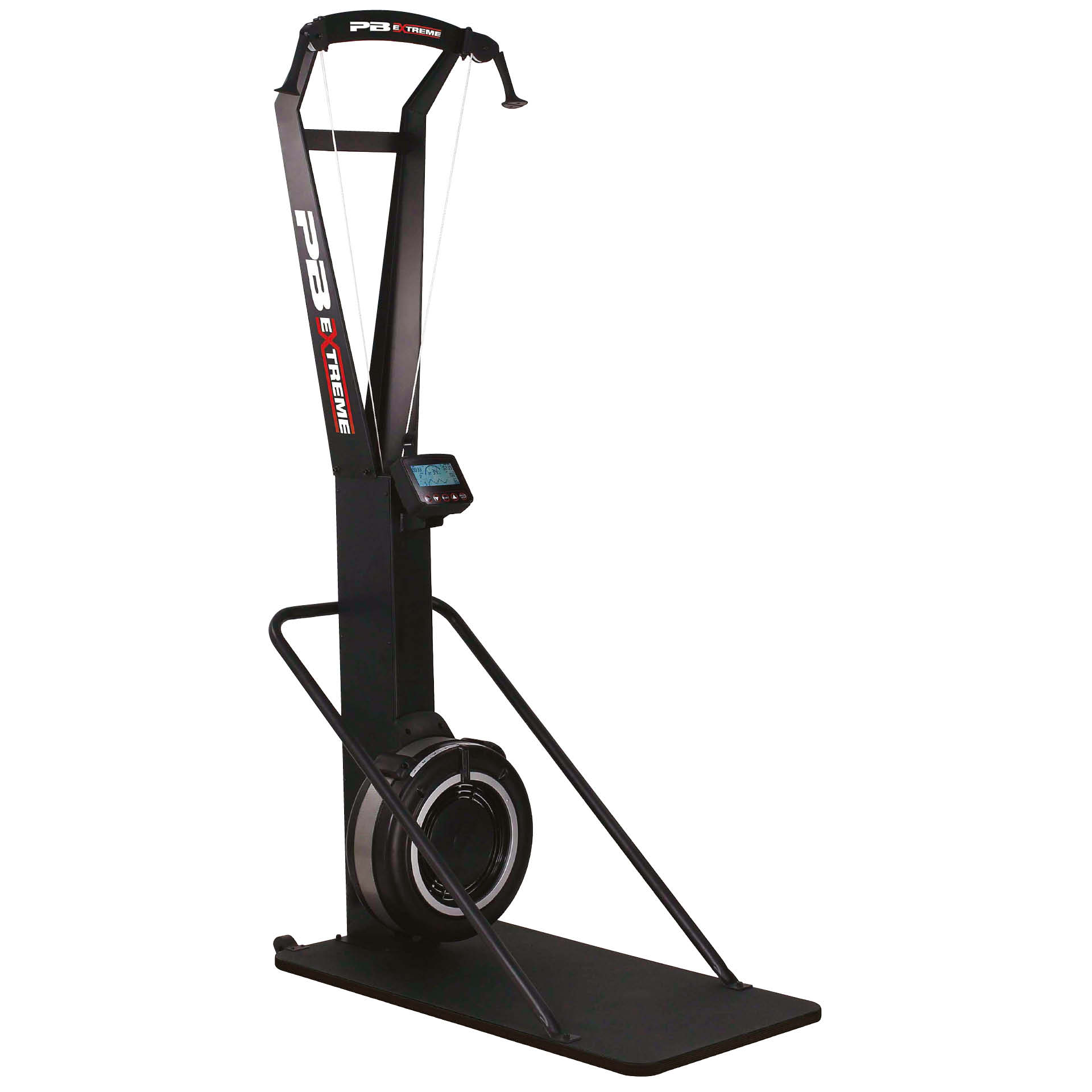
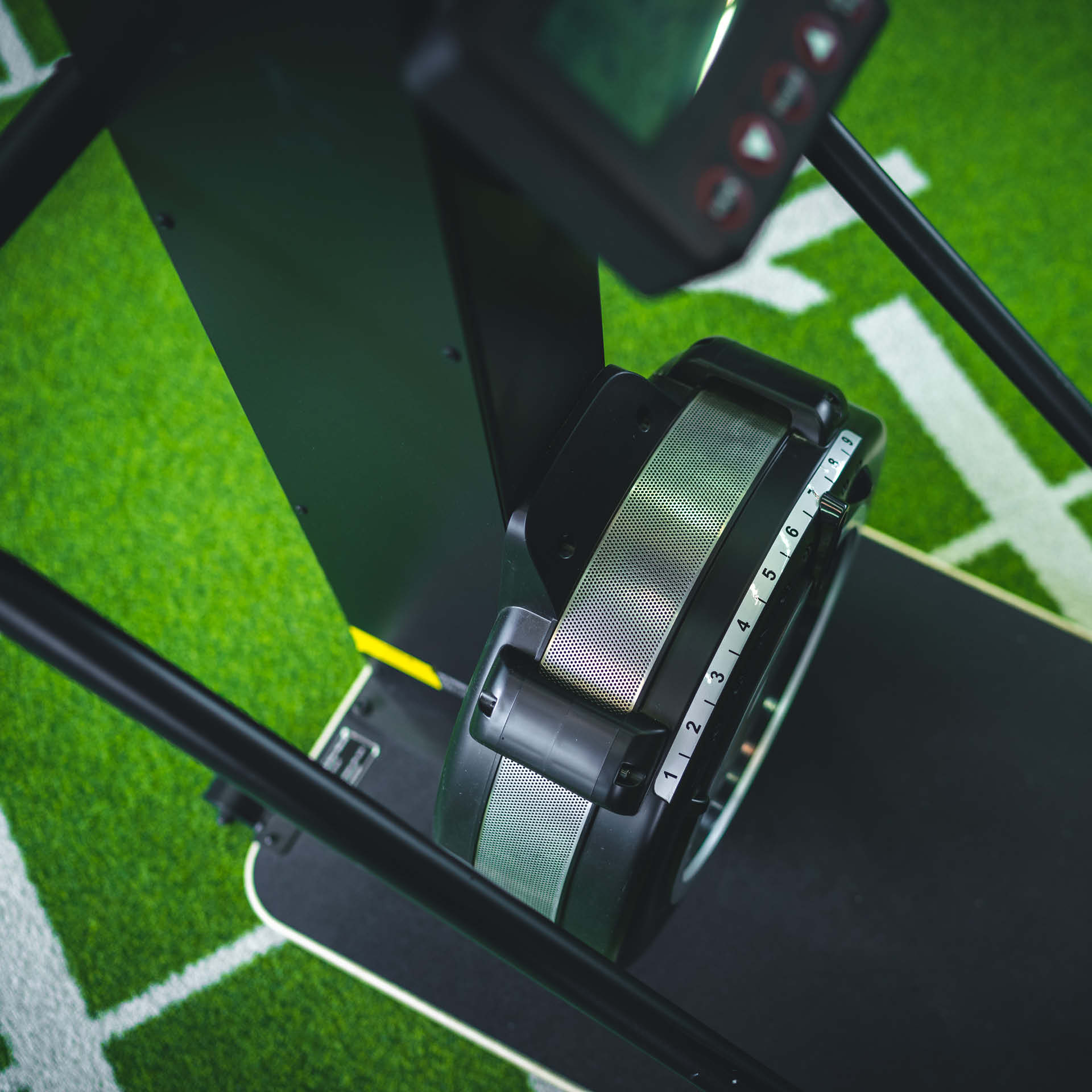
PB Extreme Ski Trainer with Floor Mount: Your cross-country skiing and skiing training equipment for home useEffective ski training at home with the PB Extreme Ski TrainerThe PB Extreme Ski Trainer with Floor Mount is the ideal piece of training equipment for effectively building up the muscles in your upper body, abdomen, back and legs that are specific to cross-country skiing and skiing. With this indoor ski trainer, you can train in the comfort of your own home and prepare yourself perfectly for the slopes. Whether you’re a cross-country skiing pro, a keen amateur or simply looking for an effective way to build endurance and strength, the PB Extreme Ski Trainer will help you achieve your goals.Joint-friendly training and high calorie burn during ski trainingA standout feature of the PB Extreme Ski Trainer is its joint-friendly training, which also enables a high calorie burn. With this ski ergometer, you can train intensively without putting excessive strain on your joints. The result is an effective cardio workout at home, during which you simultaneously build your strength and endurance.Versatile mounting options for your indoor ski trainingThe PB Extreme Ski Trainer comes with a floor stand and a wall mount, giving you a range of mounting options. You can either place the machine on the floor or mount it on the wall, depending on what suits you best and the space you have available. This flexibility allows you to integrate the training machine seamlessly into your home and carry out an effective ski workout regardless of the circumstances. Display and ergonomic handles The PB Extreme Ski Trainer features a handy display that provides you with key training data, including time, stroke rate, distance, heart rate, calories, watts and programme profiles. This means you can always keep track of your performance and progress whilst pushing yourself on your ski ergometer. Equipped with ergonomic handles, the ski trainer offers a comfortable and secure grip during your workout. The specially designed handles allow you to train comfortably and efficiently, enabling you to focus fully on your technique and strength development. Stylish black designThe PB Extreme Ski Trainer for your at-home ski training The PB Extreme Ski Trainer impresses not only with its functionality but also with its stylish design. Finished in elegant black, this ski trainer blends seamlessly into any setting. Whether you have a dedicated training room or set up the ski trainer in your living area, its attractive design will make it an eye-catcher and a source of motivation during your ski training. Get started today with the PB Extreme Ski Trainer and take your ski training to the next level Get the PB Extreme Ski Trainer with floor mount and start your indoor ski training today for a fitter and more powerful skiing experience. Target the muscles used in skiing, burn calories and improve your endurance and strength endurance. Whether you’re a cross-country skiing pro, a keen amateur or simply a sports enthusiast, the PB Extreme Ski Trainer will help you achieve your training goals. Make the most of the versatile mounting options, keep track of your performance thanks to the display, and enjoy a comfortable workout with the ergonomic handles. Don’t wait any longer – invest in your at-home ski training with the PB Extreme Ski Trainer. Dimensions with floor mount: Length: 127 cm; Width: 58.5 cm; Height: 218.5 cm. Contents: 1x floor stand (can also be used as a wall mount); 1x ski trainer. See the manual
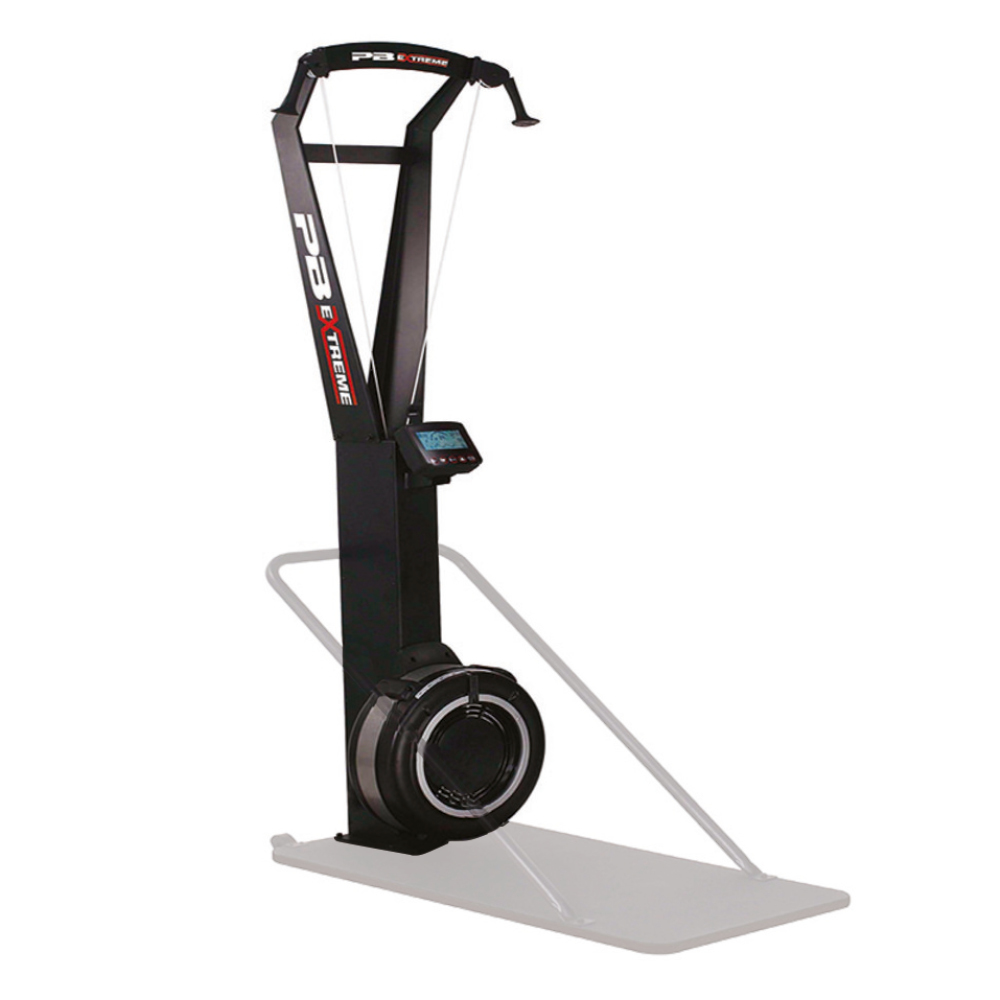
PB Extreme Ski Trainer: Your cross-country skiing and skiing training equipment for home use. Build up the muscles you need for skiing and train in the comfort of your own home with the PB Extreme Ski Trainer. This innovative training device helps you to specifically strengthen your upper body, abdominal, back and leg muscles. Whether you’re a cross-country skiing pro, a keen amateur or simply looking for an effective way to train your endurance and strength-endurance – the PB Extreme Ski Trainer will help you achieve your goals. Extremely gentle on the joints and high calorie burn The PB Extreme Ski Trainer offers you a workout that’s extremely gentle on the joints whilst enabling a high calorie burn. The natural movements of skiing protect your joints whilst still allowing you to train intensively. This machine is ideal for improving your endurance and burning off excess calories.Versatile and user-friendlyThe PB Extreme Ski Trainer is suitable for everyone, regardless of your fitness level. The ergonomic handles allow you to operate the machine comfortably and safely. The black design gives the Ski Trainer a modern and stylish look that fits into any home environment. Product details: Display: The clear display shows you information such as time, stroke rate, distance, heart rate, calories, watts and programme profiles. This allows you to keep track of your performance throughout your workout.Ergonomic handles: The ergonomically shaped handles ensure a secure and comfortable grip during your workout. You can concentrate fully on your exercises without having to worry about slippery handles. Colour: Black: The PB Extreme Ski Trainer stands out with its elegant black design, which is both modern and timeless. It fits perfectly into any setting and blends seamlessly into your home.Start your effective ski training at home now! With the PB Extreme Ski Trainer, you can carry out your ski training in the comfort of your own home. Improve your endurance, strengthen your muscles and boost your performance with this versatile training device. Whether you’re an experienced skier or just starting out – the PB Extreme Ski Trainer is the ideal piece of equipment to help you achieve your goals. Start your personalised cardio workout at home today and experience the benefits of the PB Extreme Ski Trainer! Ski trainer dimensions (excluding floor mount): Top width: 70 cm; Bottom width: 45 cm; Height: 214 cm; Depth: 38 cm. See the manual
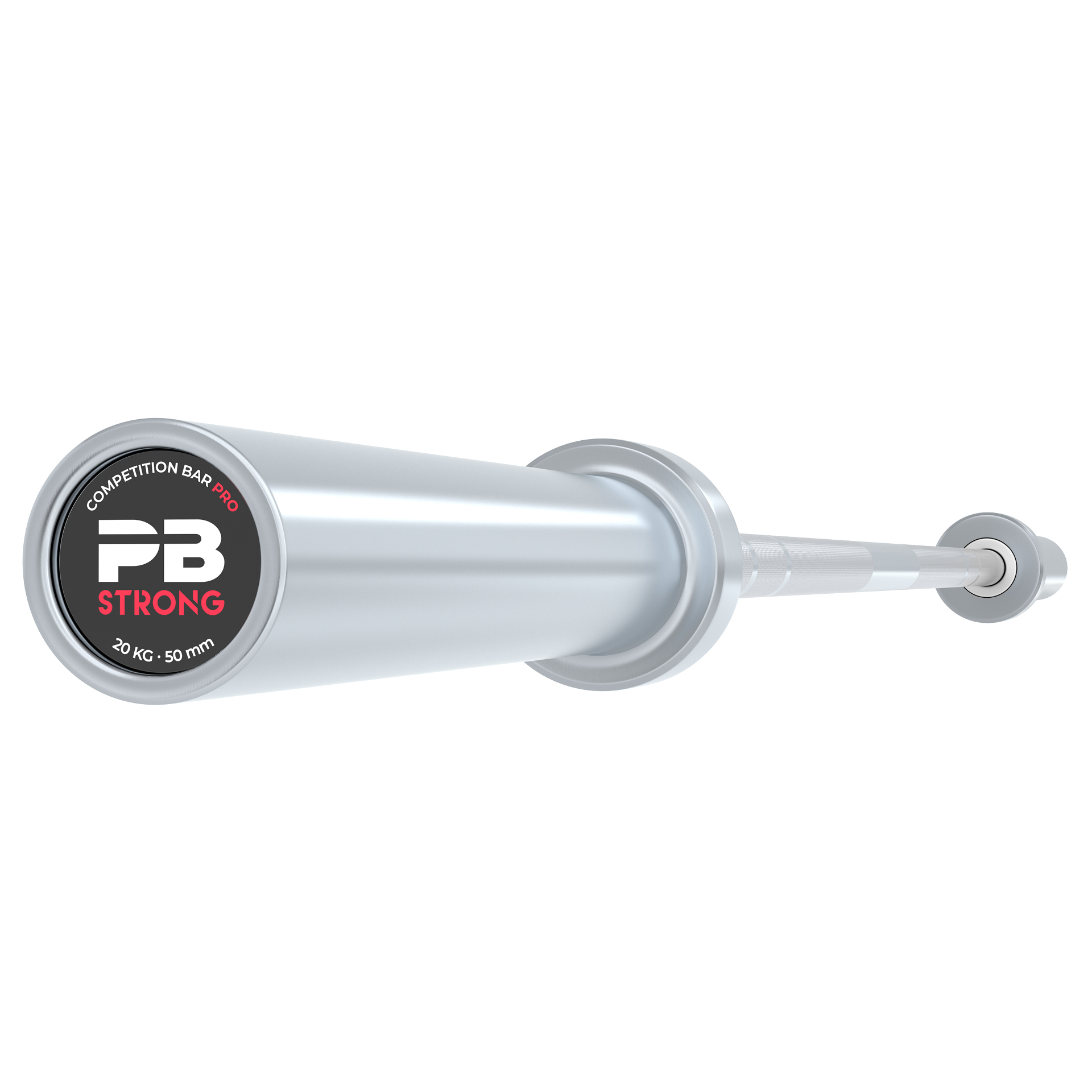
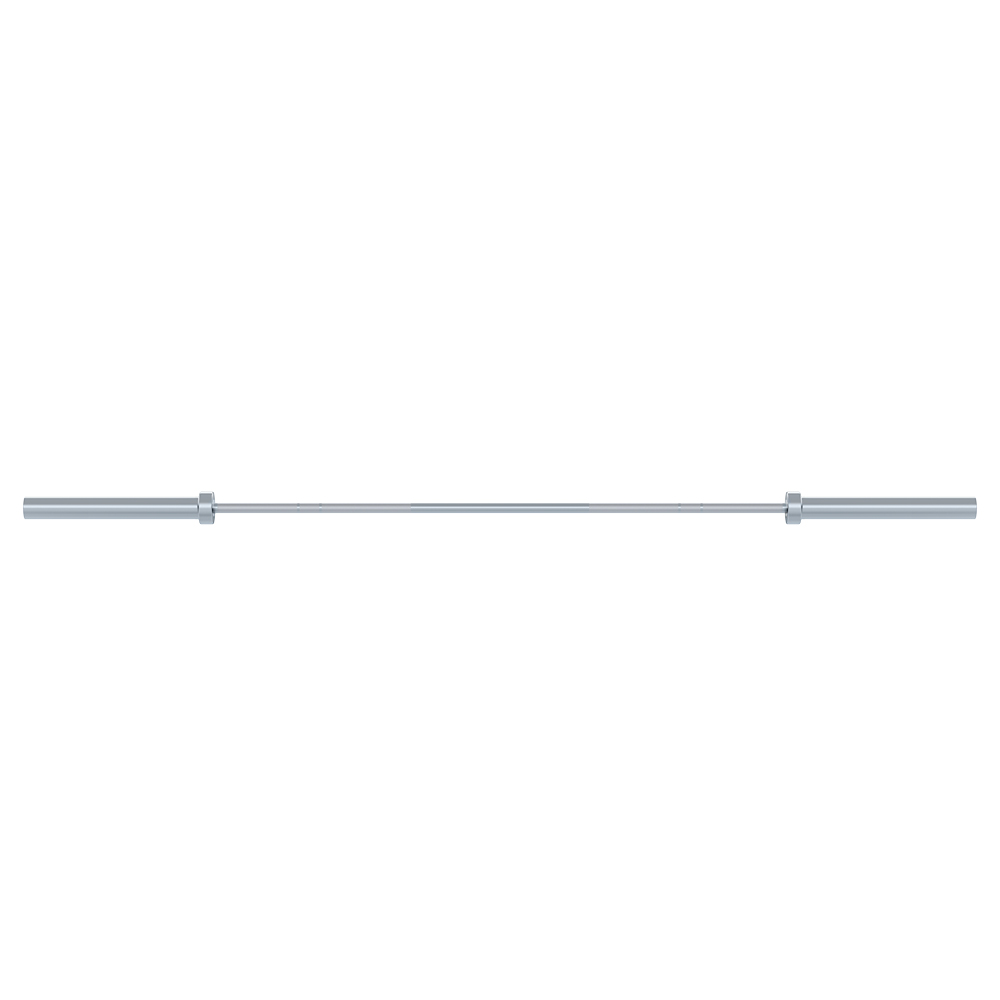
Top-quality barbells for the ideal competition preparation! Thanks to their high-quality alloy, the PB Strong Competition Barbell Pro models offer extremely high tensile and compressive strength whilst maintaining elasticity. They are very robust and manufactured to a high standard. There are two versions of the barbell to choose from, both compliant with competition regulations. The 20 kg bar features 12 hard-chrome needle bearings, which effectively reduce pressure on the hands and joints, thereby enhancing training comfort.Product information Material: alloy steelDimensions: 220 cm long (20 kg) Diameter: 2.8 cm grip (20 kg), 5 cm (weight plate) Colour: silver Variants: 15 kg ∙ 20 kg Max. load: 680 kg (20 kg barbell version) Ball bearings: 12 needle bearings, 6 on each side, 195,000 PSI, hard chrome (20 kg)
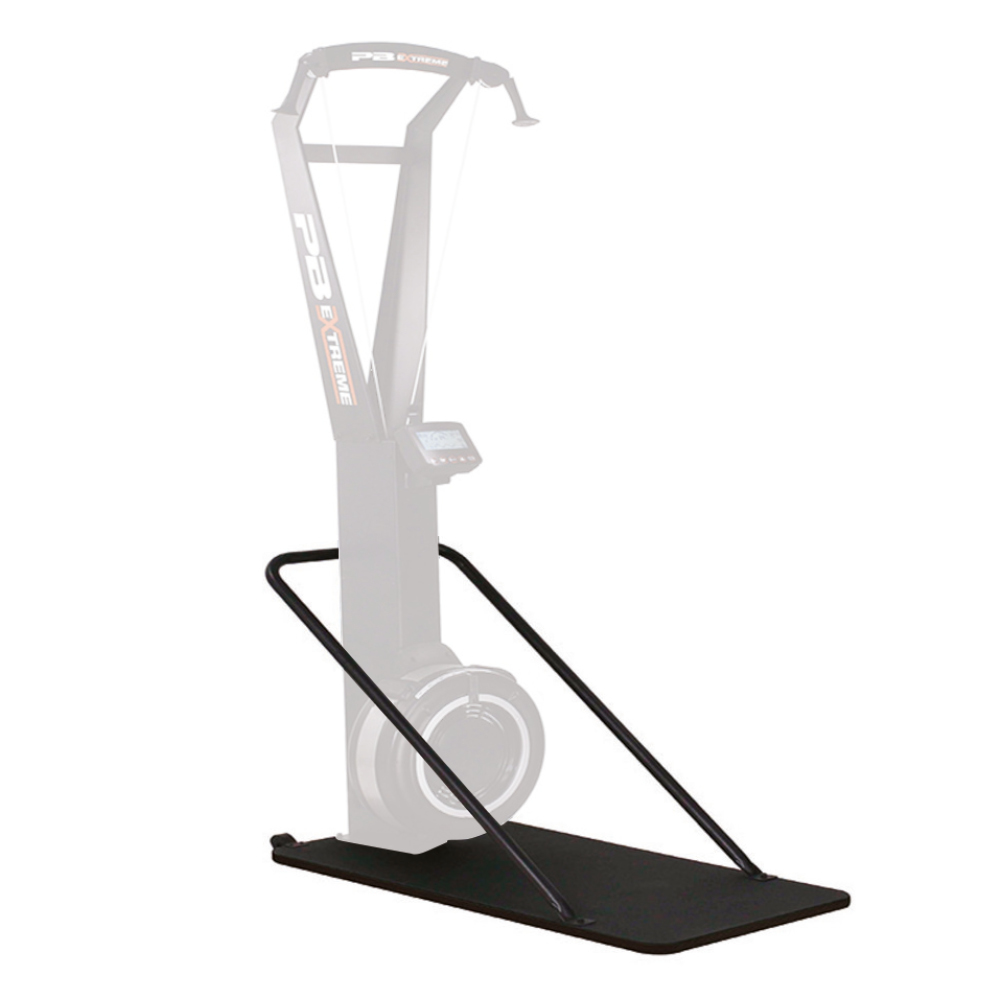
Floor mount for the PB Extreme Ski Trainer. The Ski Trainer is not included! User manual
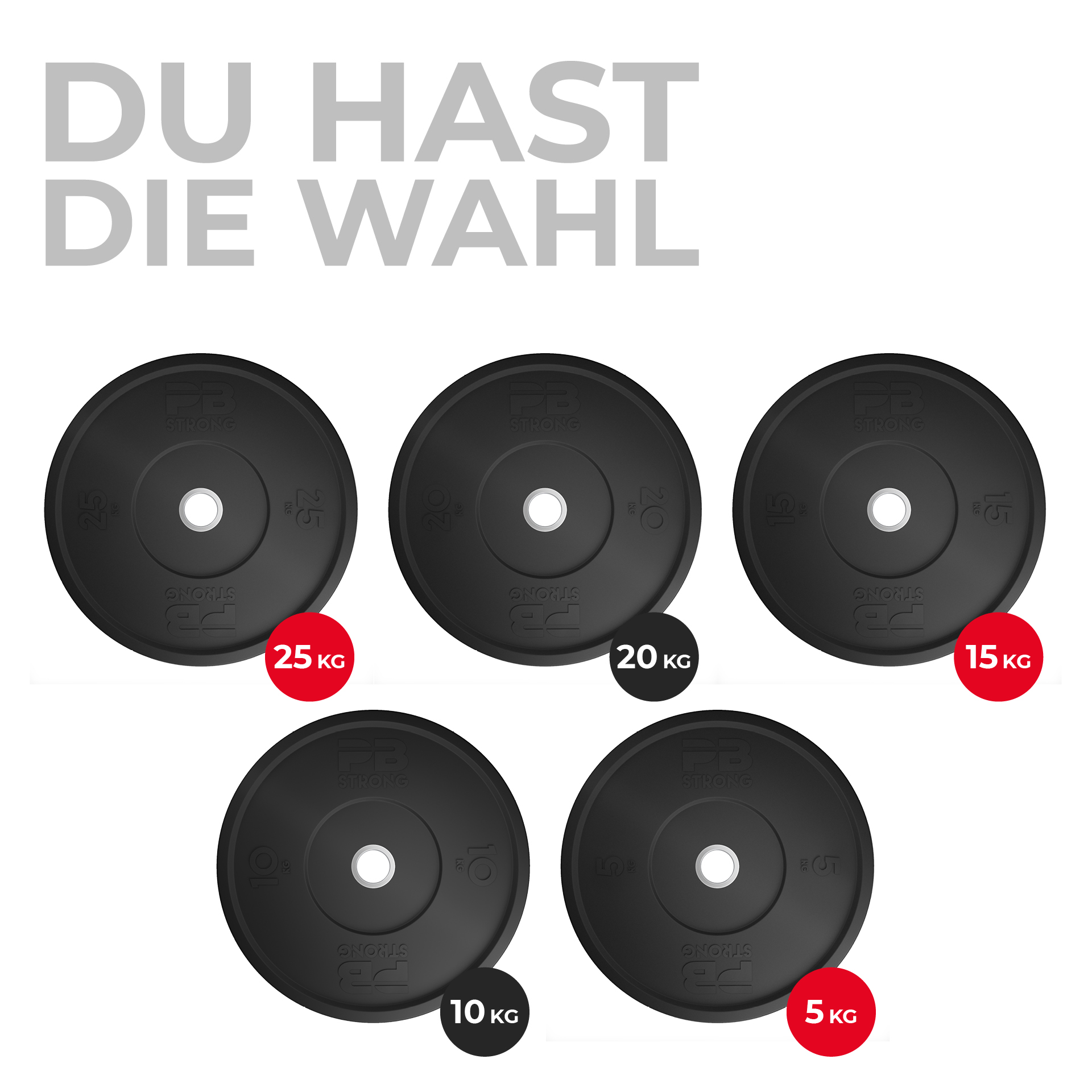
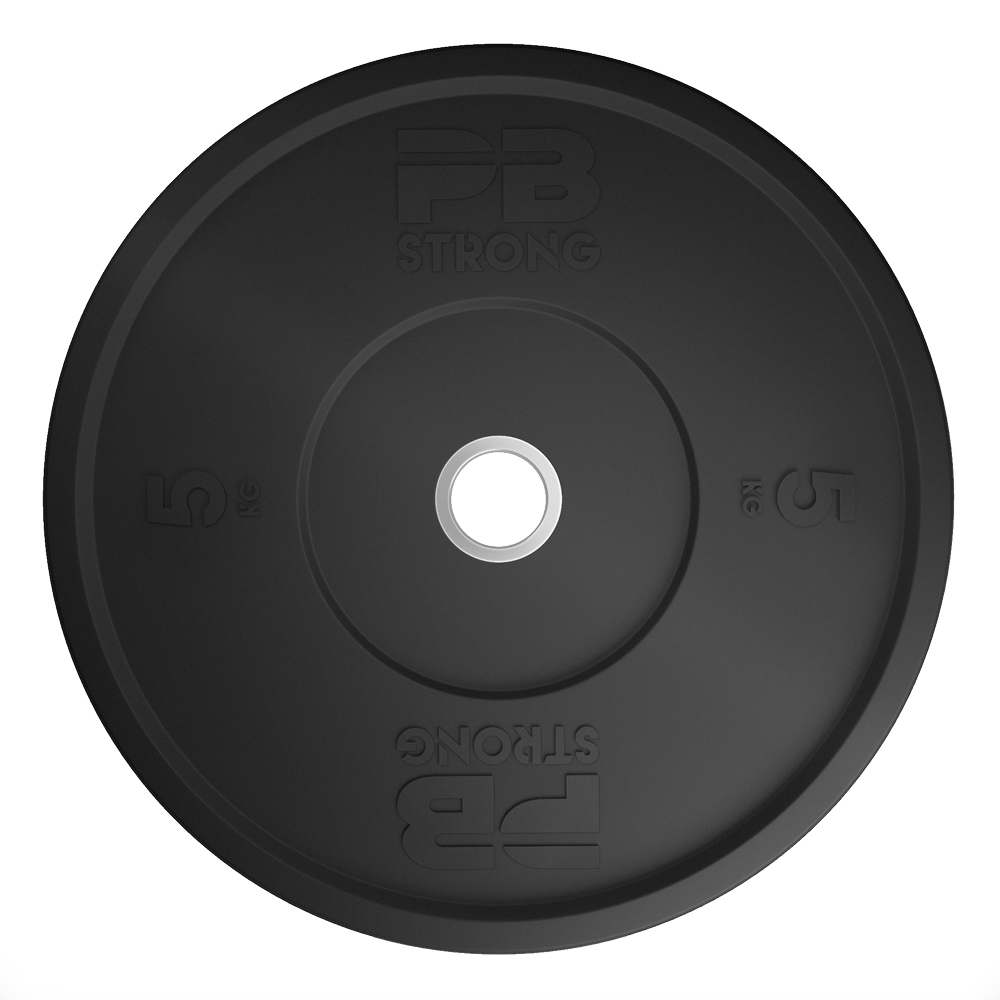
Product information: PB Strong rubber weight plate, black (each)For effective strength training! The PB Strong weight plates fit all barbells with a 50 mm diameter plate socket. Thanks to their high-quality rubber coating, these weights are gentle on floors and resistant to scratches and impacts. The plates are robust and durable. The steel core minimises the rebound of the plate when it hits the floor. These weight plates are suitable for both home use and professional use in the gym.Product details: Material: Hard rubber (weight plate), steel (inner ring)Diameter: 45 cm (outer), 5 cm (inner)Thickness: From 2.5 cm to 8.8 cm (depending on weight) Colour: Black Variants: 5 kg, 10 kg, 15 kg, 20 kg, 25 kgContents: one weight plate
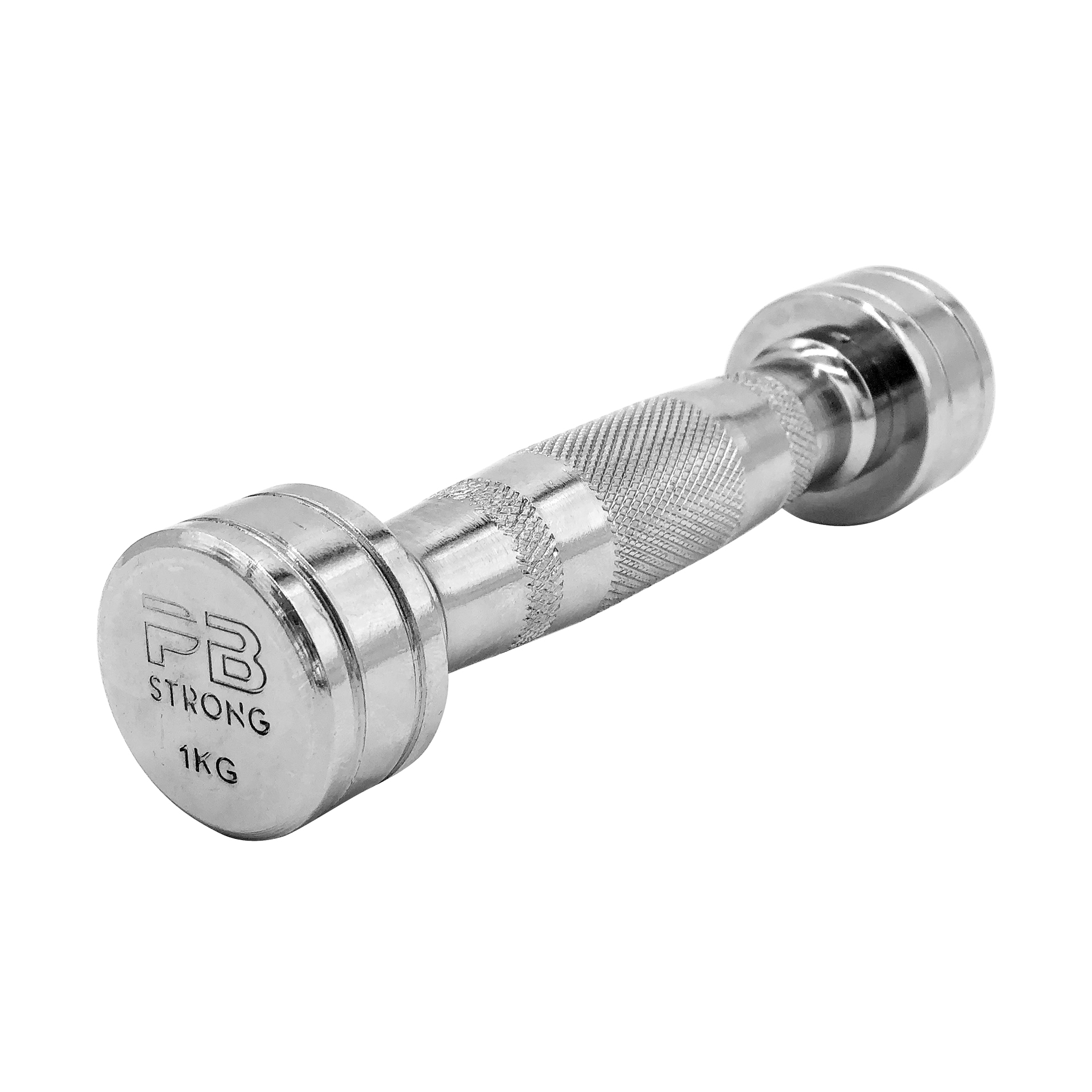
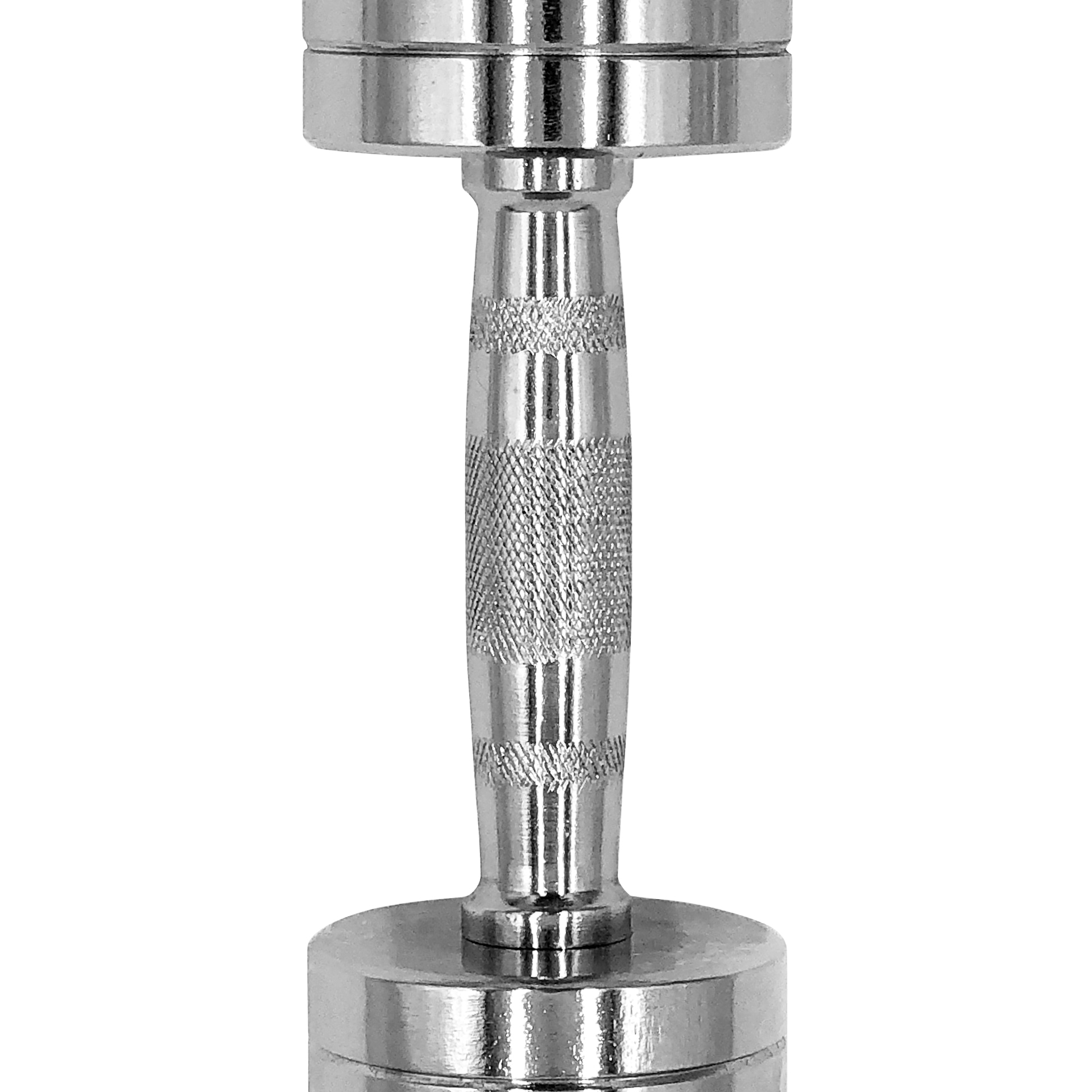
Product information: PB Strong Chrome Dumbbells (each)Perfect for fitness and strength trainingThe PB Strong Chrome Dumbbells are available in ten different weight sizes, from 1 kg to 10 kg, and are suitable for all fitness levels.The chrome dumbbells have rounded edges and an ergonomic, ribbed grip. They are particularly well suited to calisthenics and free weight training. They are of high quality, durable and, with their 10 weight levels, meet every training requirement. They are non-slip and sit comfortably in the hand.Product details: Material: steel with chrome coatingHandle dimensions: 12.5 cmHandle diameter: 2.5 cm Colour: SilverVariants: 1 kg, 2 kg, 3 kg, 4 kg, 5 kg, 6 kg, 7 kg, 8 kg, 9 kg, 10 kgContents: one chrome dumbbell