
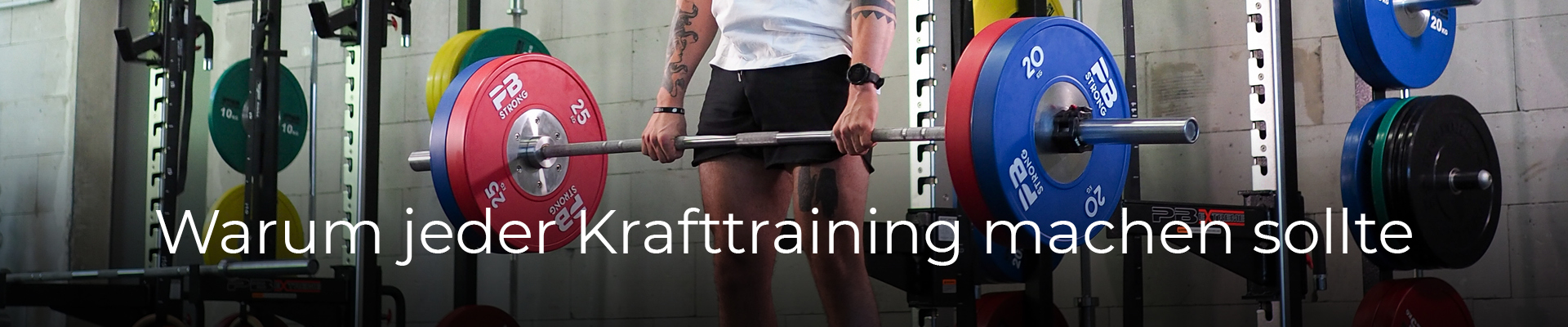
Why everyone should do strength training
Increases basal metabolic rate & reduces body fat percentage
Strength training can help increase and maintain lean mass and thus increase basal metabolic rate. Especially when it comes to reducing belly fat, regular strength training seems to have a positive effect.
"Use it or lose it."
As we age, we lose muscle mass. In addition, muscles regress if they are not sufficiently stressed. Regular strength training helps to counteract this and maintain as much muscle mass as possible.
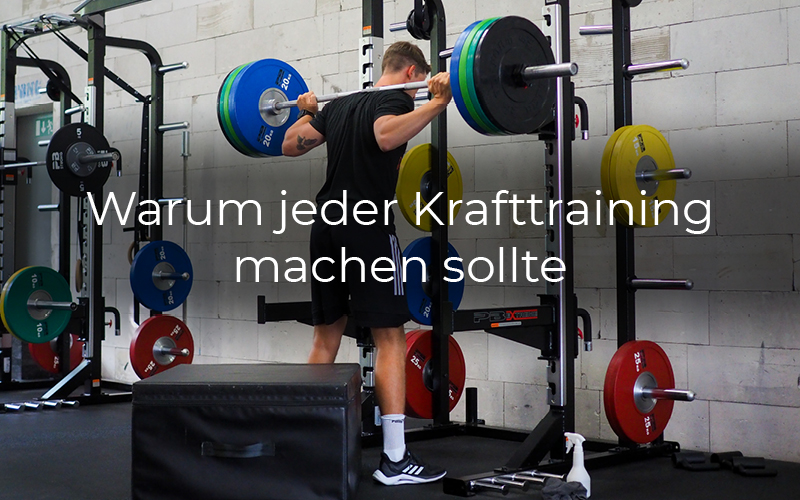
Improves bone density and the quality of connective and supporting tissue.
Bone density also decreases as part of the natural aging process and the risk of osteoporosis is increased. Women are more likely to experience bone loss due to declining estrogen levels during menopause.
Lack of physical activity also affects this. Strength training promotes bone metabolism and can thus help slow or reduce the decline in bone density.
Improves bone density and the quality of connective and supporting tissue.
Bone density also decreases as part of the natural aging process and the risk of osteoporosis is increased. Women are more likely to experience bone loss due to declining estrogen levels during menopause.
Lack of physical activity also affects this. Strength training promotes bone metabolism and can thus help slow or reduce the decline in bone density.
Improves bone density and the quality of connective and supporting tissue.
Bone density also decreases as part of the natural aging process and the risk of osteoporosis is increased. Women are more likely to experience bone loss due to declining estrogen levels during menopause.
Lack of physical activity also affects this. Strength training promotes bone metabolism and can thus help slow or reduce the decline in bone density.
Improves cardiovascular health
Endurance training isn't the only thing that has a positive effect on cardiovascular health. Strength training reduces some of the biggest risk factors for cardiovascular disease: it decreases body fat, reduces blood pressure at rest, and improves glycemic control.
May help alleviate symptoms of chronic conditions
Strength training can reduce symptoms of chronic conditions such as arthritis, back pain, cardiovascular disease, diabetes, and depression, for example.
In addition, regular strength training improves posture, motor control, and functional and cognitive performance, and helps with stress management.
So if you want to make a long-term, sustainable investment in your health and well-being, you should incorporate regular strength training, two to three sessions per week, into your routine.
Highlight products for your strength workout
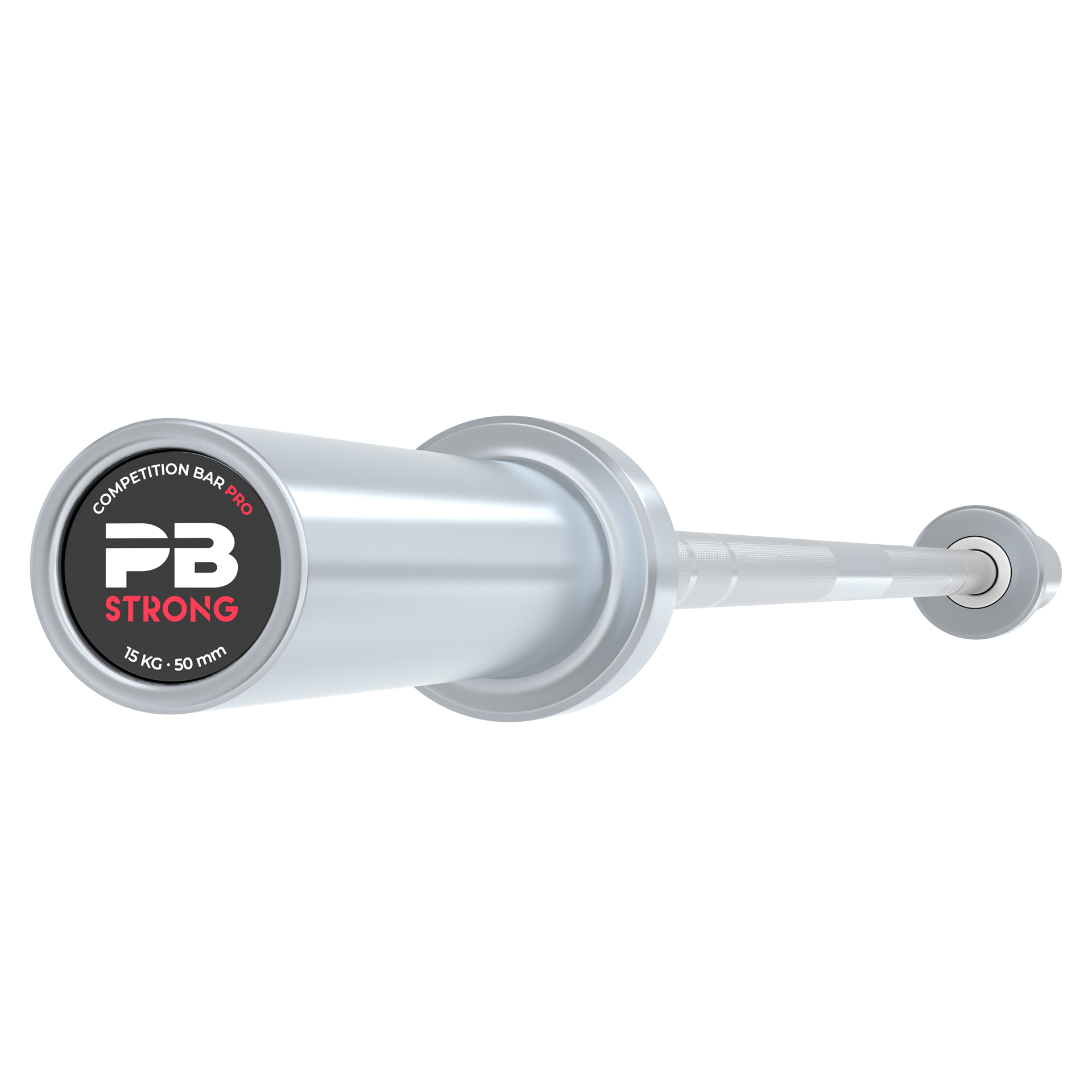
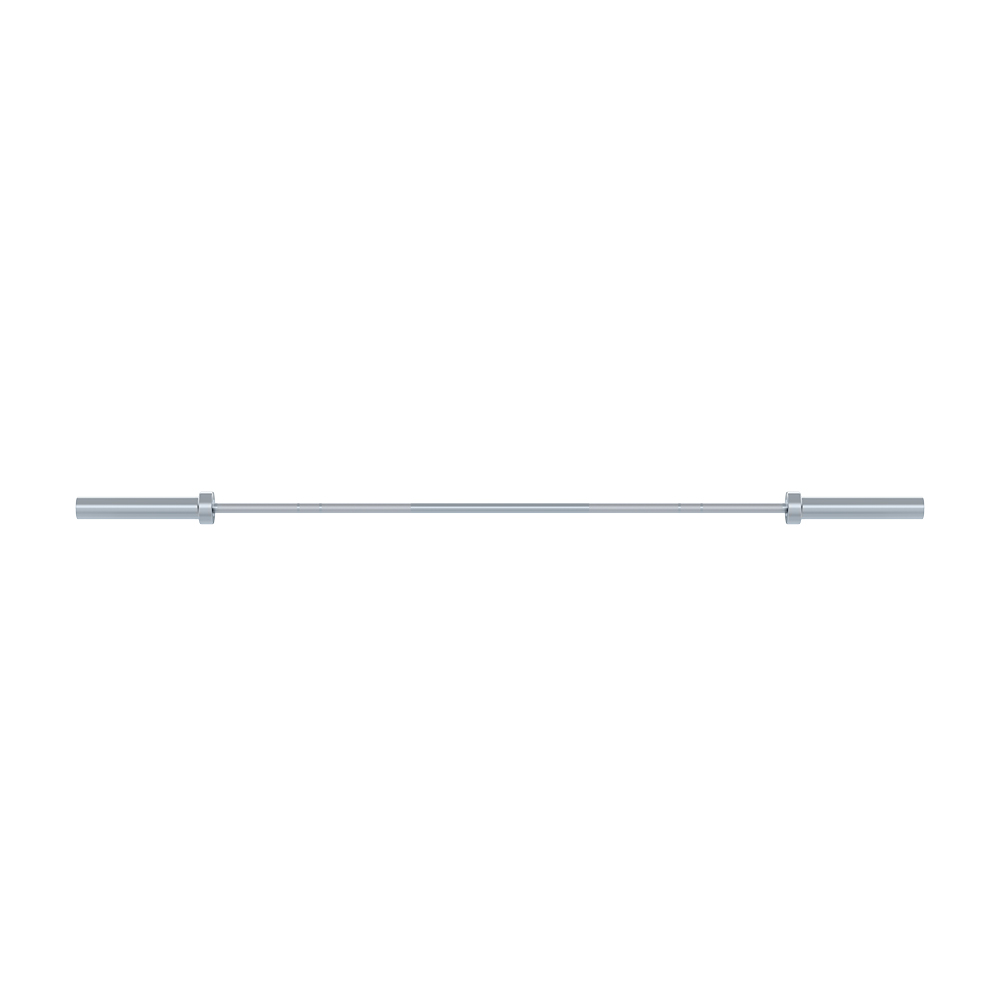
Top-quality barbells for the ideal competition preparation! Thanks to their high-quality alloy, the PB Strong Competition Barbell Pro bars offer extremely high tensile and compressive strength whilst maintaining elasticity. They are very robust and manufactured to a high standard. There are two versions of the barbell bar to choose from, both of which comply with competition specifications. The 15KG bar features 8 hard-chrome needle bearings, which effectively reduce pressure on the hands and joints, thereby enhancing training comfort.Product information Material: alloy steelDimensions: 201 cm long (15 kg) Diameter: 2.5 cm grip (15 kg), 5 cm (weight support) Handle length to the weight plates: 131 cmColour: silver Variants: 15 kg ∙ 20 kg Max. load: 450 kg (15 kg version) Ball bearings: 8 needle bearings, 4 on each side, 165,000 PSI, hard chrome (15 kg)
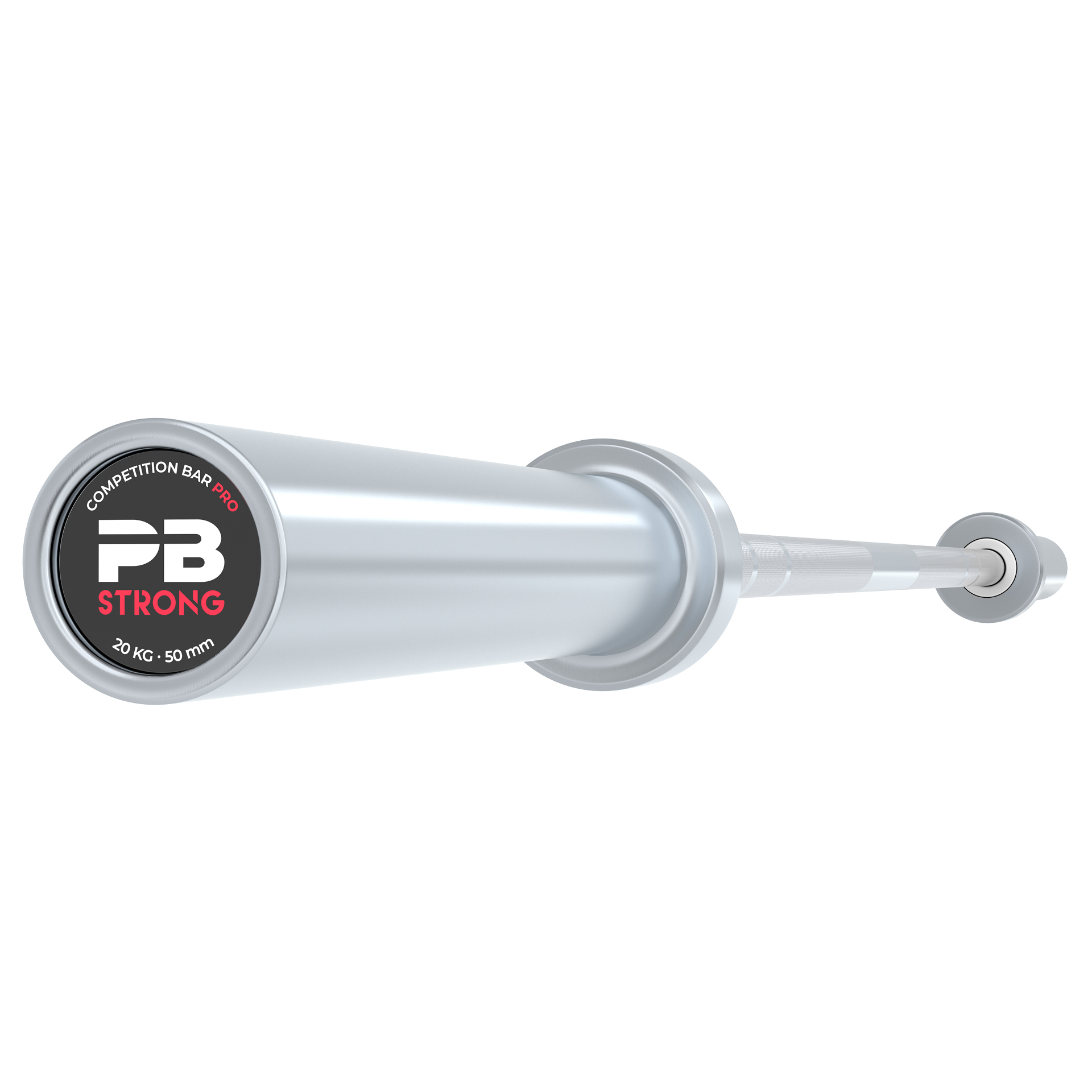
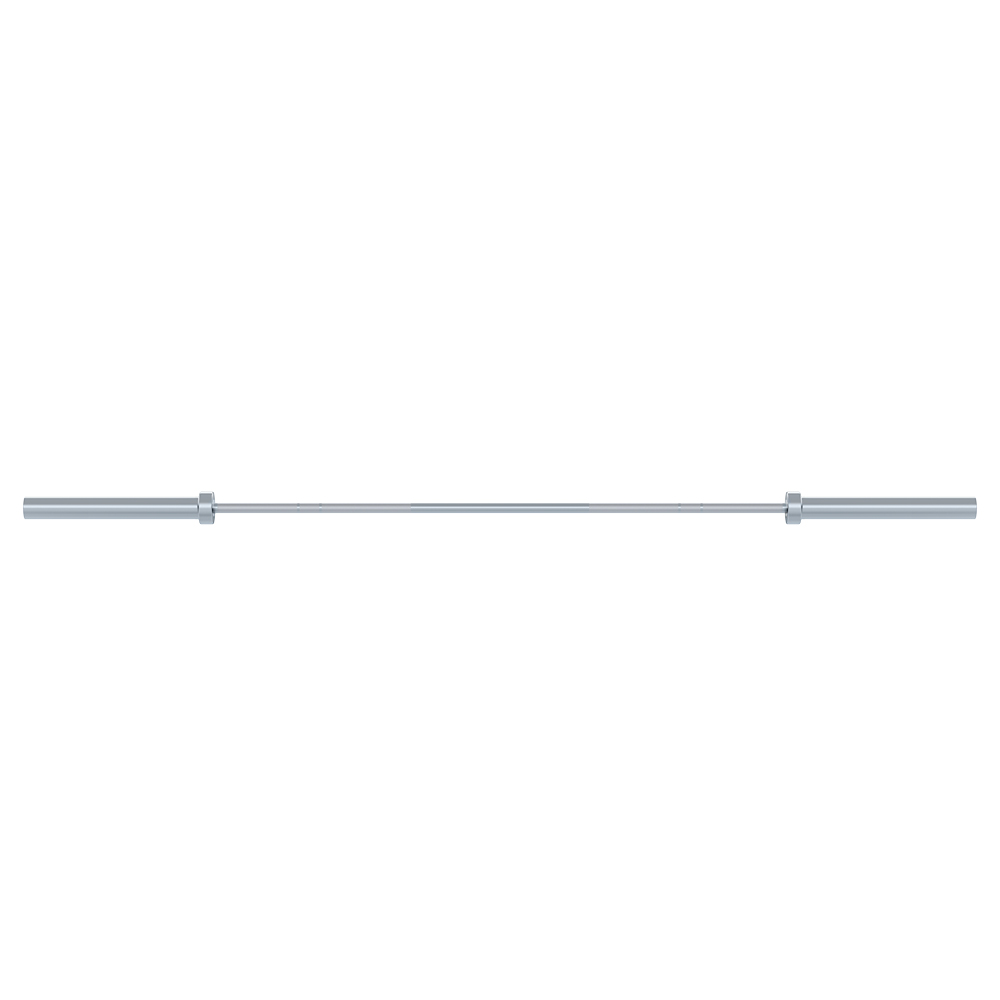
Top-quality barbells for the ideal competition preparation! Thanks to their high-quality alloy, the PB Strong Competition Barbell Pro models offer extremely high tensile and compressive strength whilst maintaining elasticity. They are very robust and manufactured to a high standard. There are two versions of the barbell to choose from, both compliant with competition regulations. The 20 kg bar features 12 hard-chrome needle bearings, which effectively reduce pressure on the hands and joints, thereby enhancing training comfort.Product information Material: alloy steelDimensions: 220 cm long (20 kg) Diameter: 2.8 cm grip (20 kg), 5 cm (weight plate) Colour: silver Variants: 15 kg ∙ 20 kg Max. load: 680 kg (20 kg barbell version) Ball bearings: 12 needle bearings, 6 on each side, 195,000 PSI, hard chrome (20 kg)
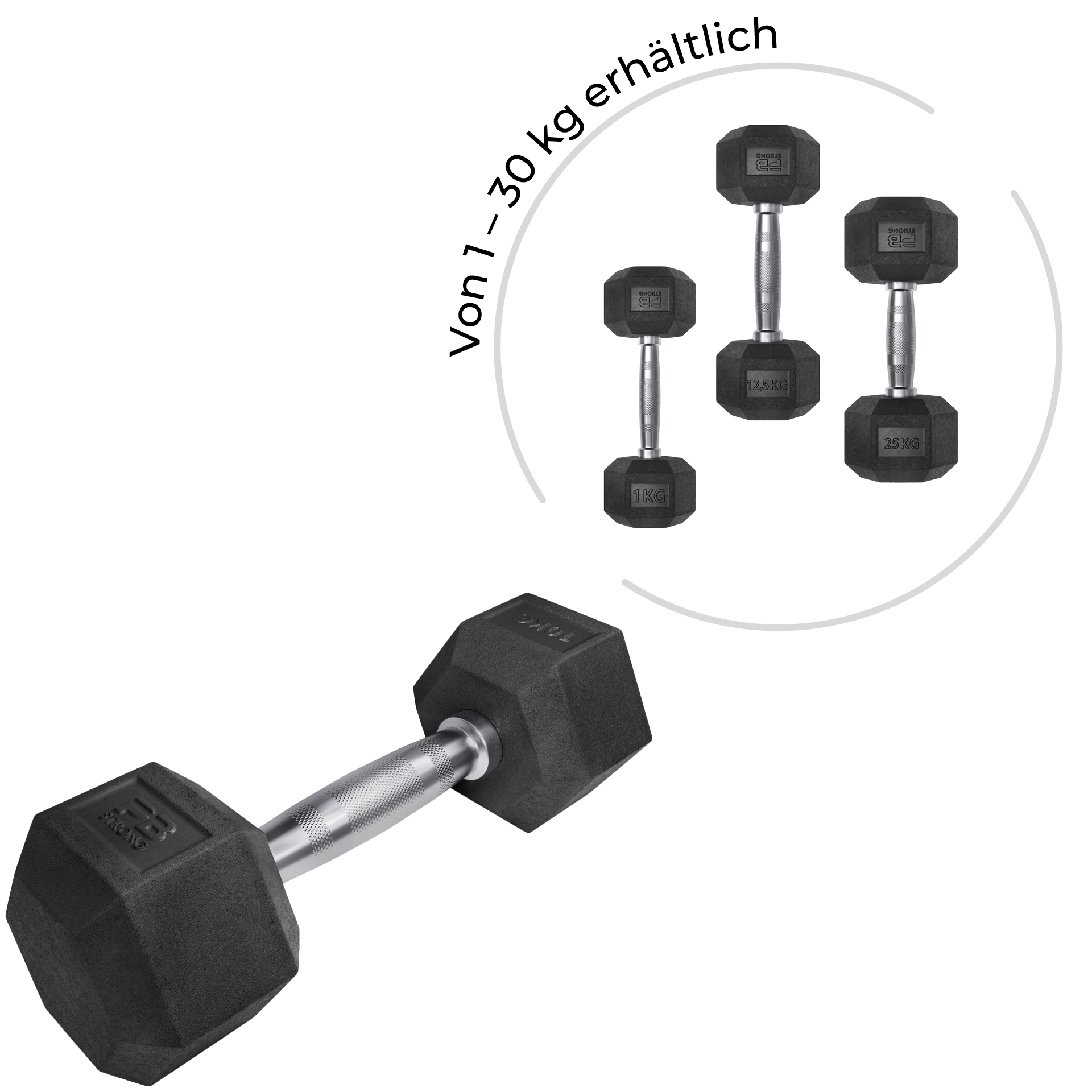
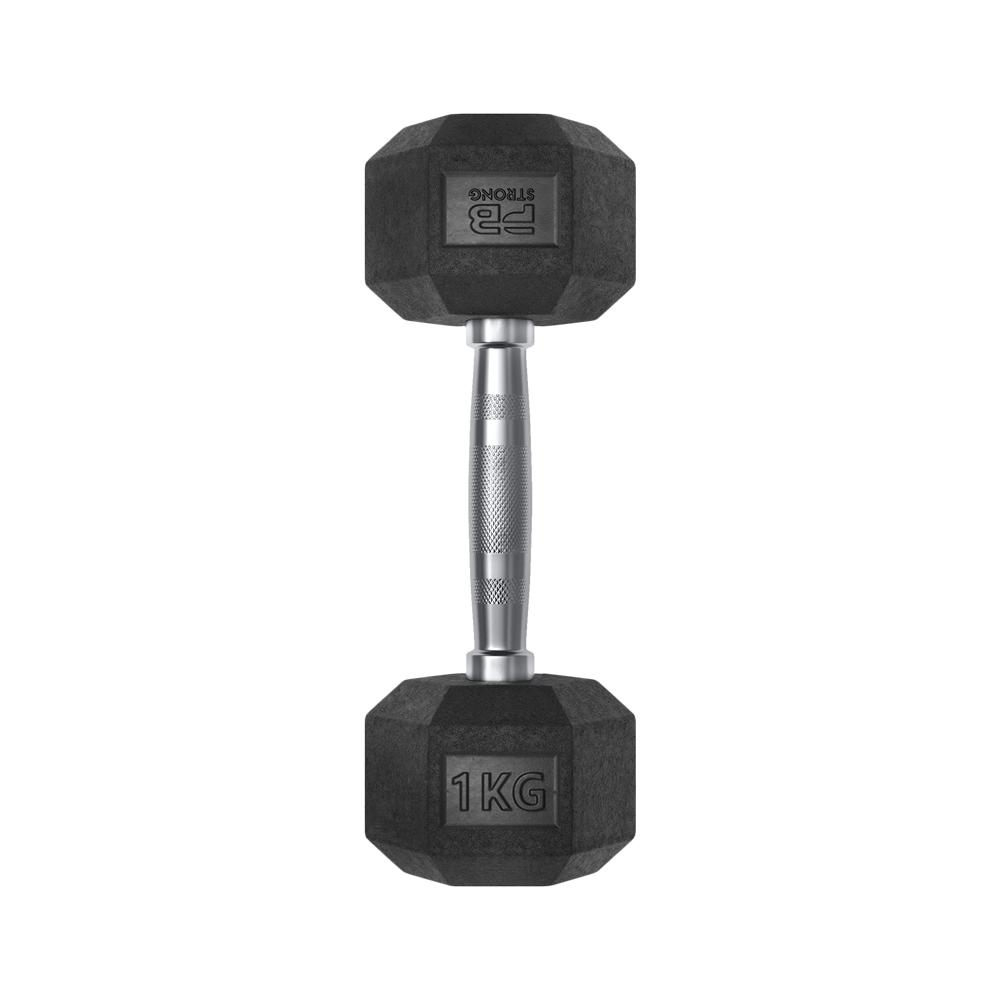
Perfect for fitness and strength training The PB Strong hex dumbbells feature an ergonomically shaped handle and a rubber coating. They are high-quality, durable and, thanks in part to their floor-friendly design, are suitable for both professional use in the gym and for home use. These dumbbells are robust and even the most demanding professional conditions.Product informationMaterial: steel, rubber Handle dimensions: 13 cm; ø 3 cm Colour: Black ∙ Silver Variants: 1 kg ∙ 2 kg ∙ 2.5 kg ∙ 3 kg ∙ 4 kg ∙ 5 kg ∙ 6 kg ∙ 7 kg ∙ 7.5 kg ∙ 8 kg ∙ 9 kg ∙ 10 kg ∙ 12.5 kg ∙ 15 kg ∙ 17.5 kg ∙ 20 kg ∙ 22.5 kg ∙ 25 kg ∙ 27.5 kg ∙ 30 kg
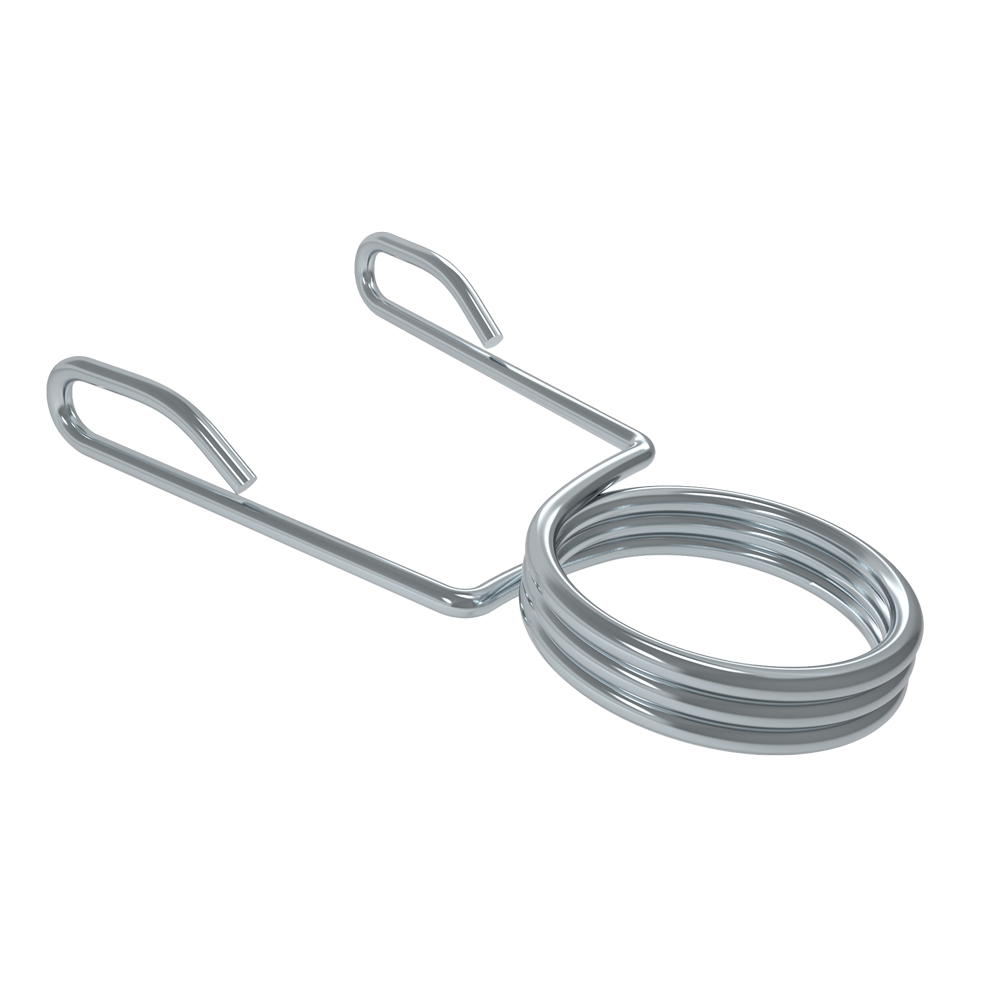
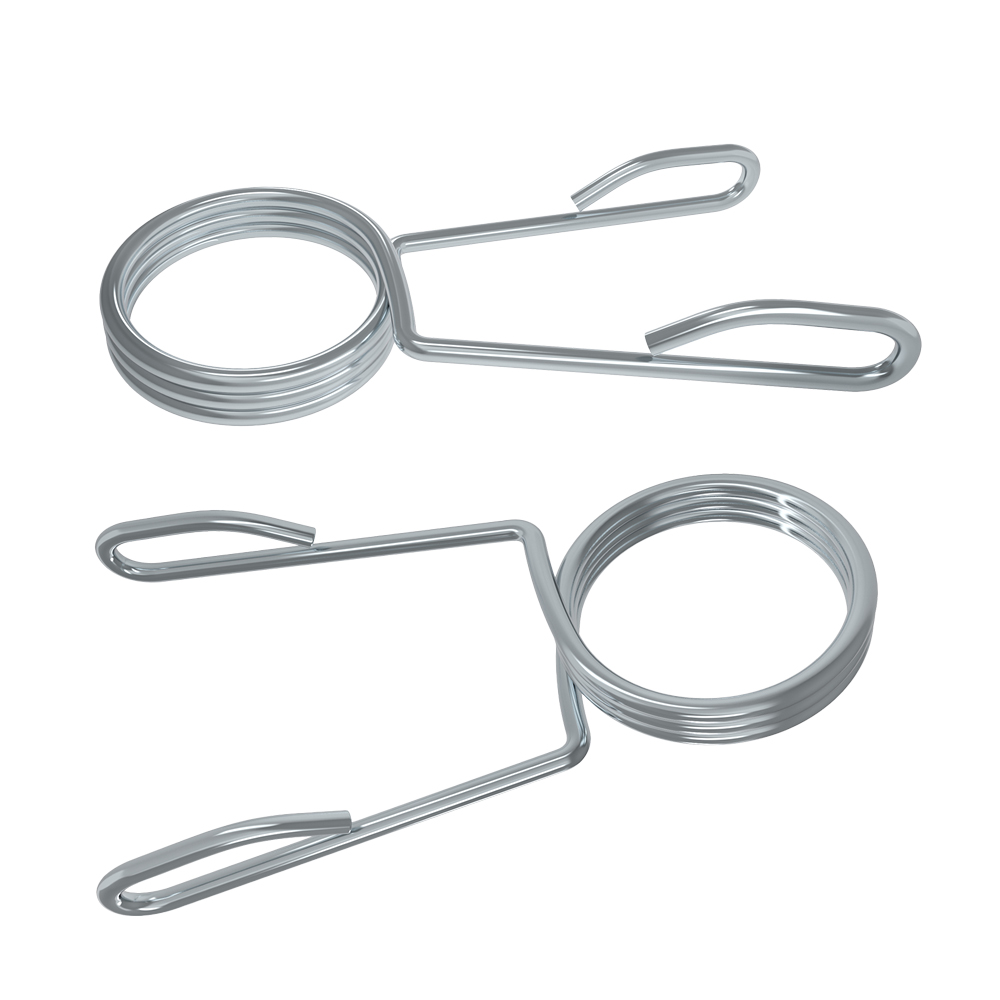
Product information: PB Strong barbell bars with spring-loaded locks, chrome (pair) These barbell collars make every workout safer!The PB Strong spring clips secure weights to barbell bars, thereby preventing accidents during barbell training. The clips are suitable for both professional use in the gym and for home use. They are ideal for use with bars that have a smooth shank. The quick-release clips can be removed and reattached quickly and easily.Product details: Material: steel Diameter: 5 cm Colour: Silver Weight: 0.36 kg Quantity supplied: 1 pair
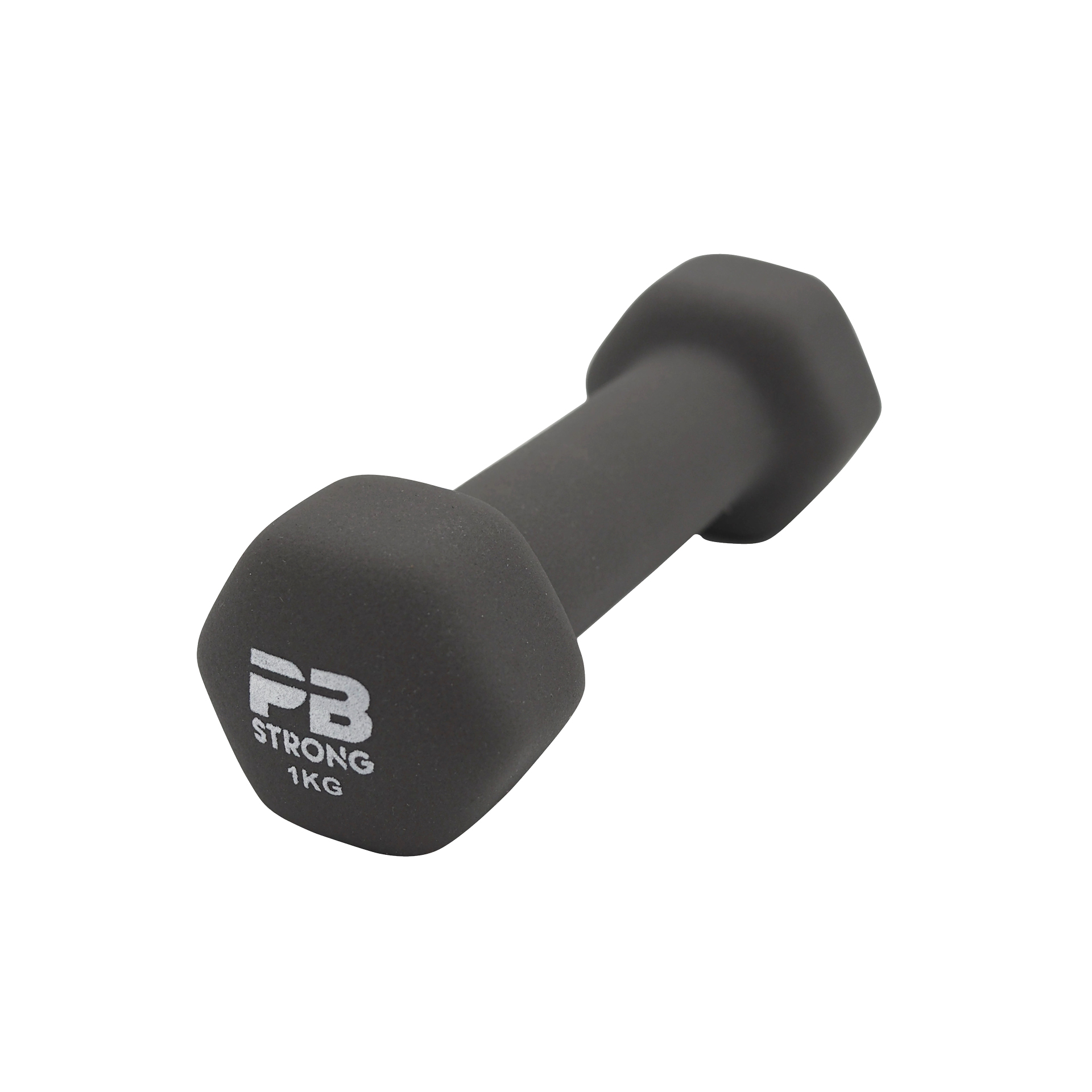
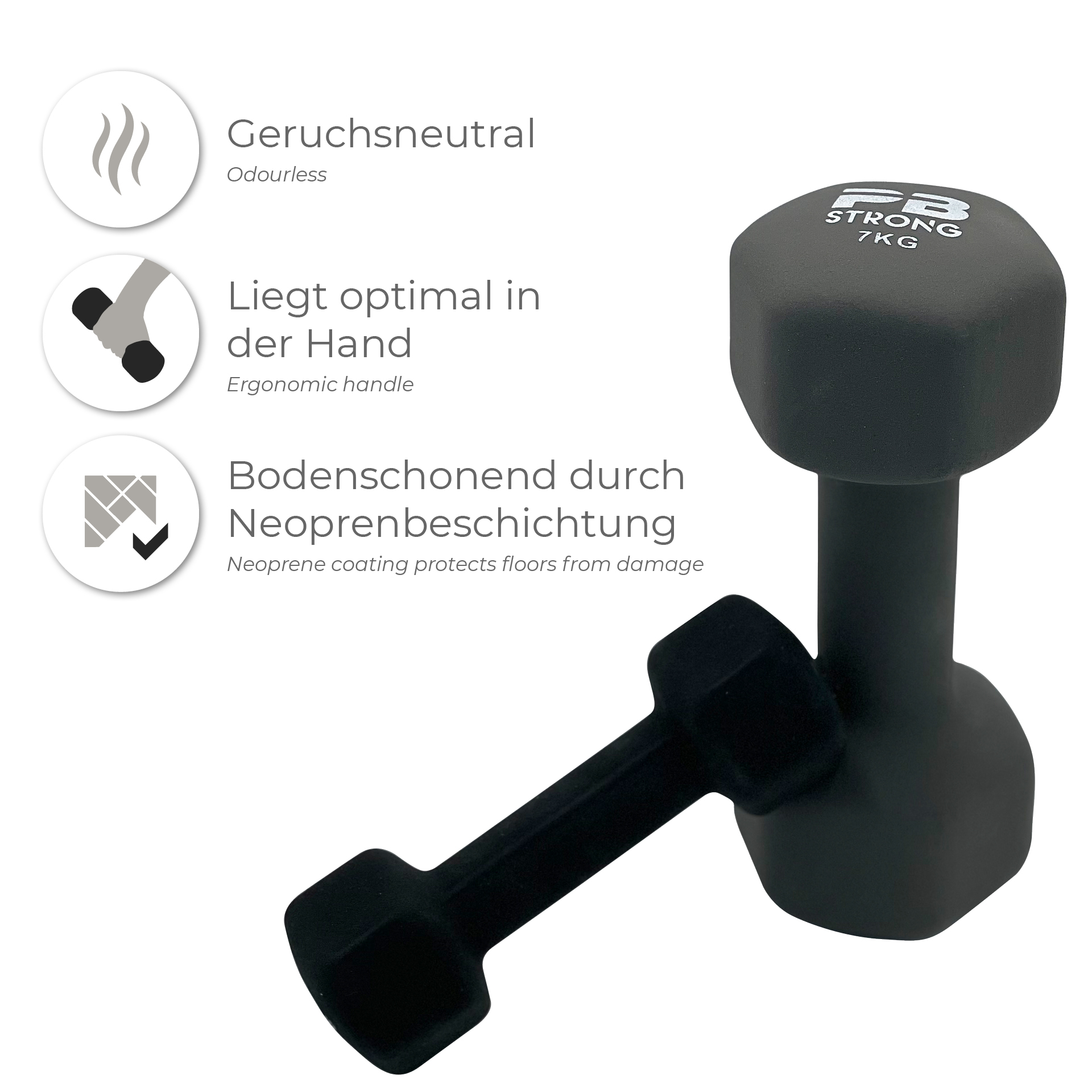
Perfect for fitness and strength training The PB Strong neoprene dumbbells feature an ergonomically shaped handle and a neoprene coating. They are of high quality, durable and, thanks to their floor-friendly properties, are suitable for both professional use in the gym and for home use. These dumbbells are robust and can withstand even the most demanding professional use. Product information Material: iron, neopreneHandle dimensions: 9.2 cm; ø 2.8 cmColour: Black ∙ Grey Variants: 1 kg ∙ 2 kg ∙ 3 kg ∙ 4 kg ∙ 5 kg ∙ 6 kg ∙ 7 kg ∙ 8 kg ∙ 9 kg ∙ 10 kg

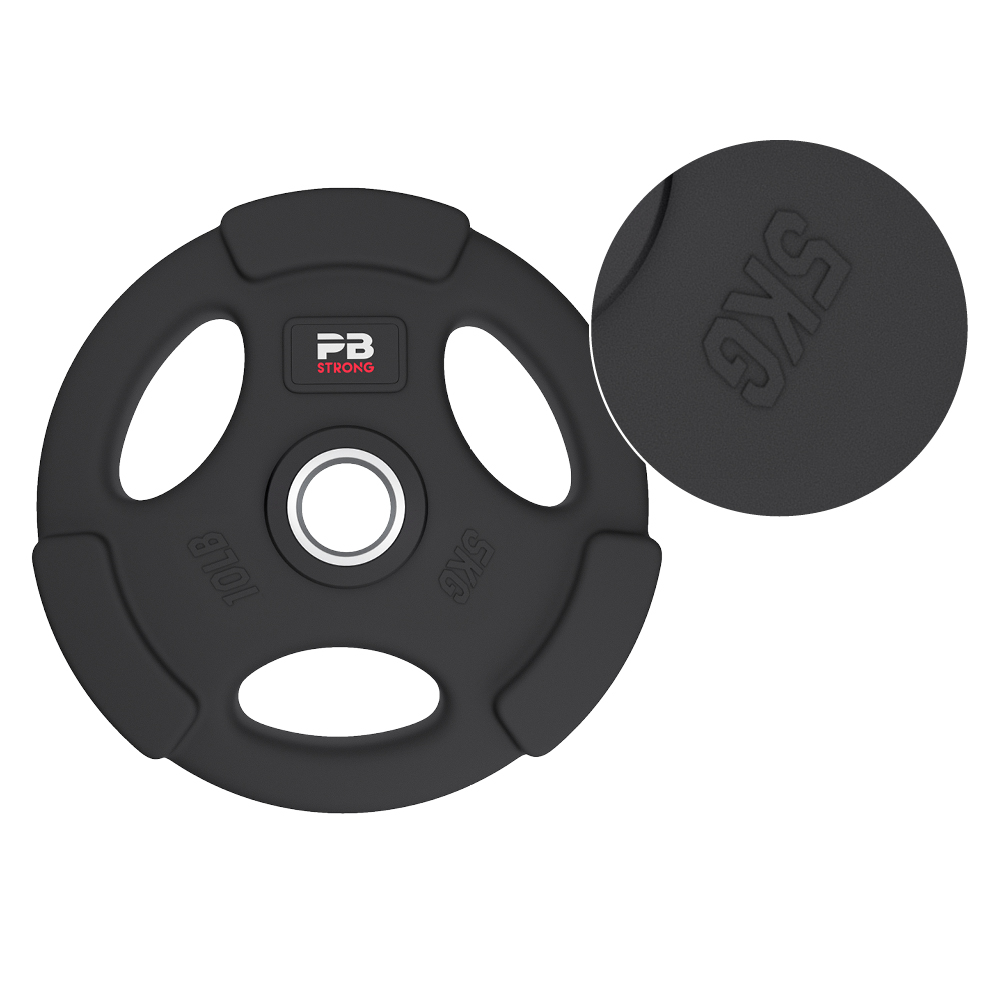
Product information: PB Strong 3-handle rubberised weight plate, black (each)3-grip disc for particularly easy handling. The PB Strong 3-Grip weight plates are compatible with all barbells featuring a 50 mm diameter plate slot. Thanks to the high-quality rubber coating, these weights are gentle on floors and resistant to scratches and impacts. The plates are robust and durable. The steel core minimises the rebound of the plate when it hits the floor. The 3-grip design makes the plates easy to handle.Product details: Material: Hard rubber (weight plate), steel (inner ring)Diameter: 16–42 cm (outer), 5 cm (inner)Thickness: From 2.7 cm – 5.2 cm (depending on weight) Colour: Black Variants: 1.25 kg ∙ 2.5 kg ∙ 5 kg ∙ 10 kg ∙ 15 kg ∙ 20 kg ∙ 25 kgContents: one weight plate
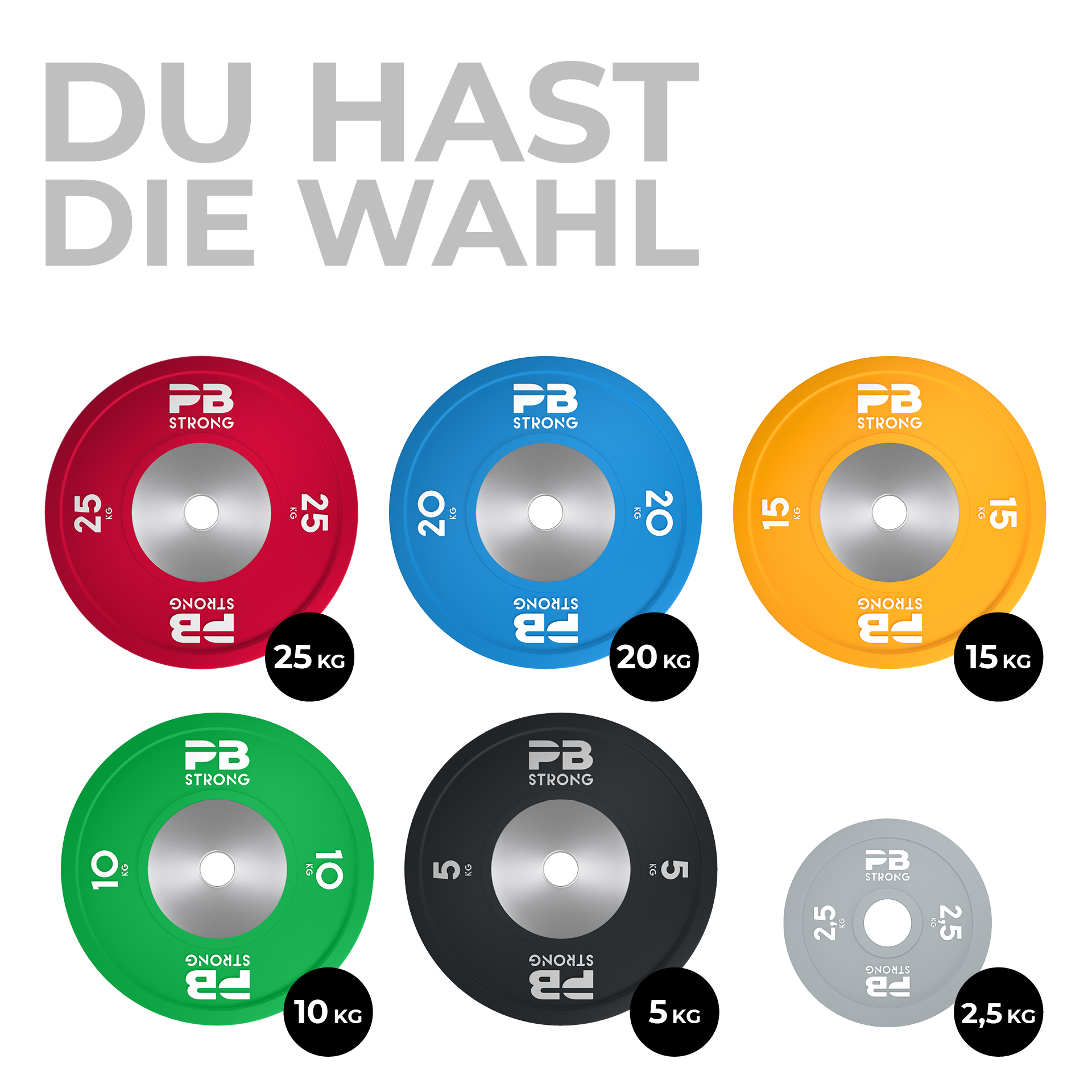
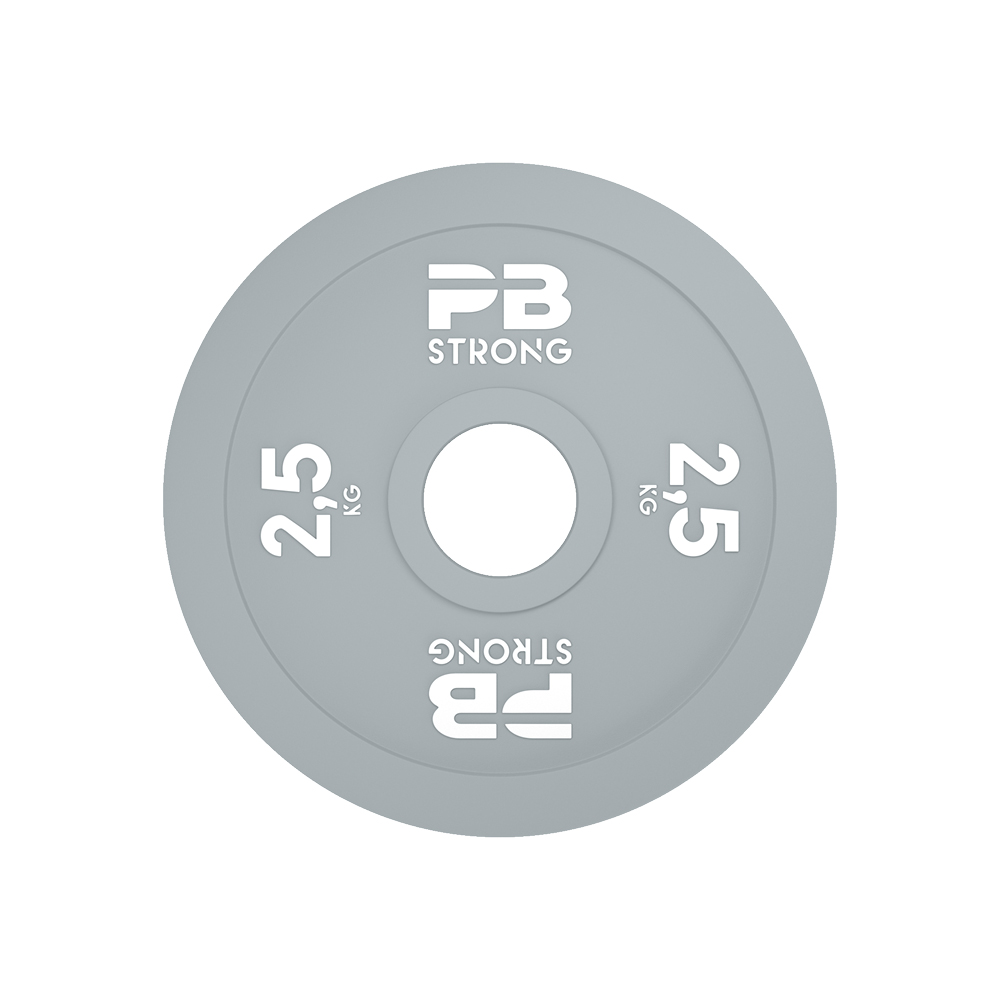
The PB Strong Competition Weight PlateWeight plates for the perfect competition preparation!The PB Strong Competition Weight Plates fit all barbells with a 50 mm diameter plate socket. Thanks to their high-quality rubber coating, these weights are gentle on the floor and resistant to scratches and impacts. The plates are robust and durable. The steel core minimises the rebound of the plate when it hits the floor. The plates comply with competition specifications and are therefore ideal for competition training.This competition weight plate is available in six different colours and weight categories, ranging from 2.5 kg to 25 kg, and is for all levels of training.Product details:Material: hard rubber (weight plate); steel (inner ring)Diameter: 5 cm (inner), 45 cm (outer); Exception for 2.5 kg: 21.6 cmDepth: From 2 – 6.5 cm (depending on weight) Available colours: Grey, Black, Green, Yellow, Blue, Red Variants: 2.5 kg, 5 kg, 10 kg, 15 kg, 20 kg, 25 kg
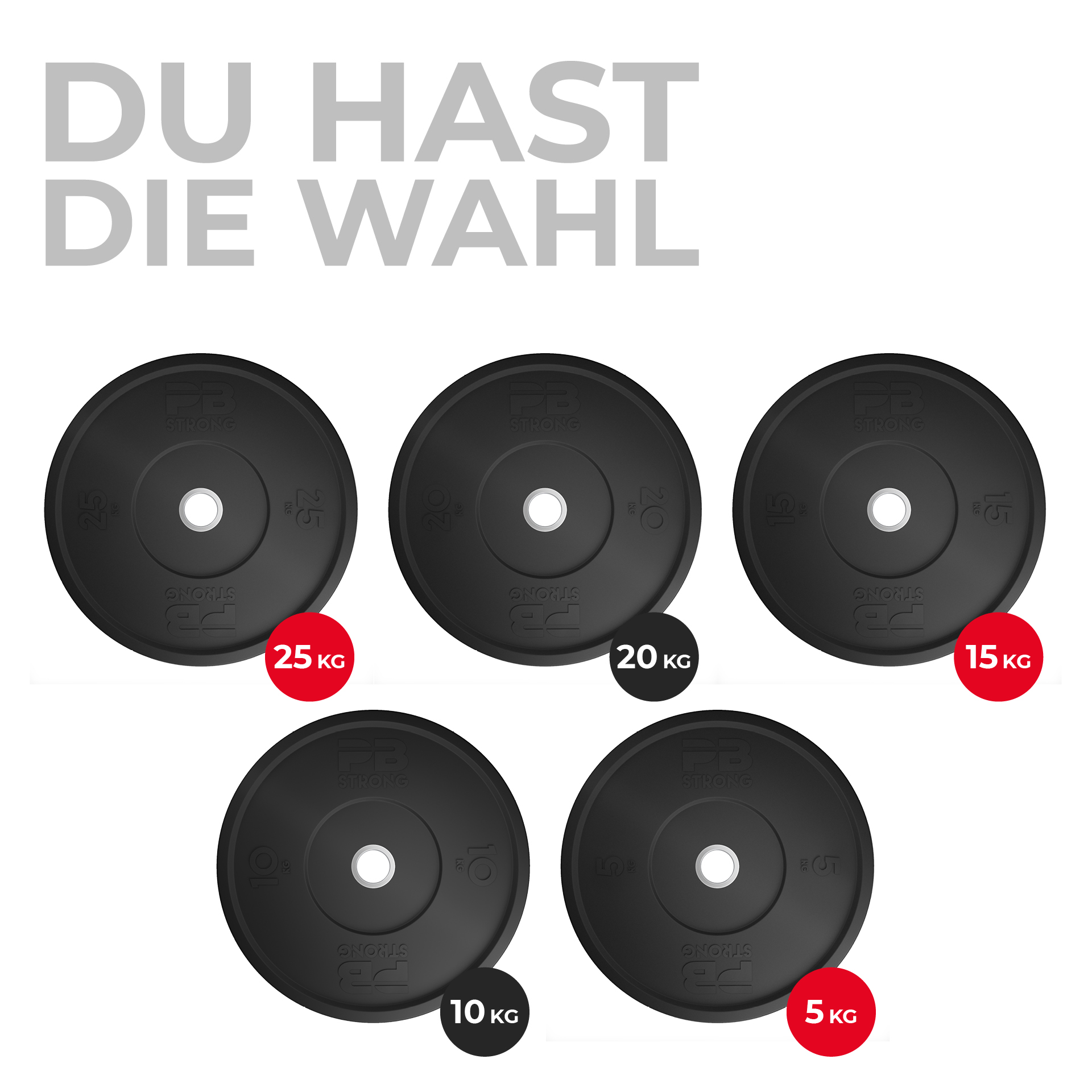
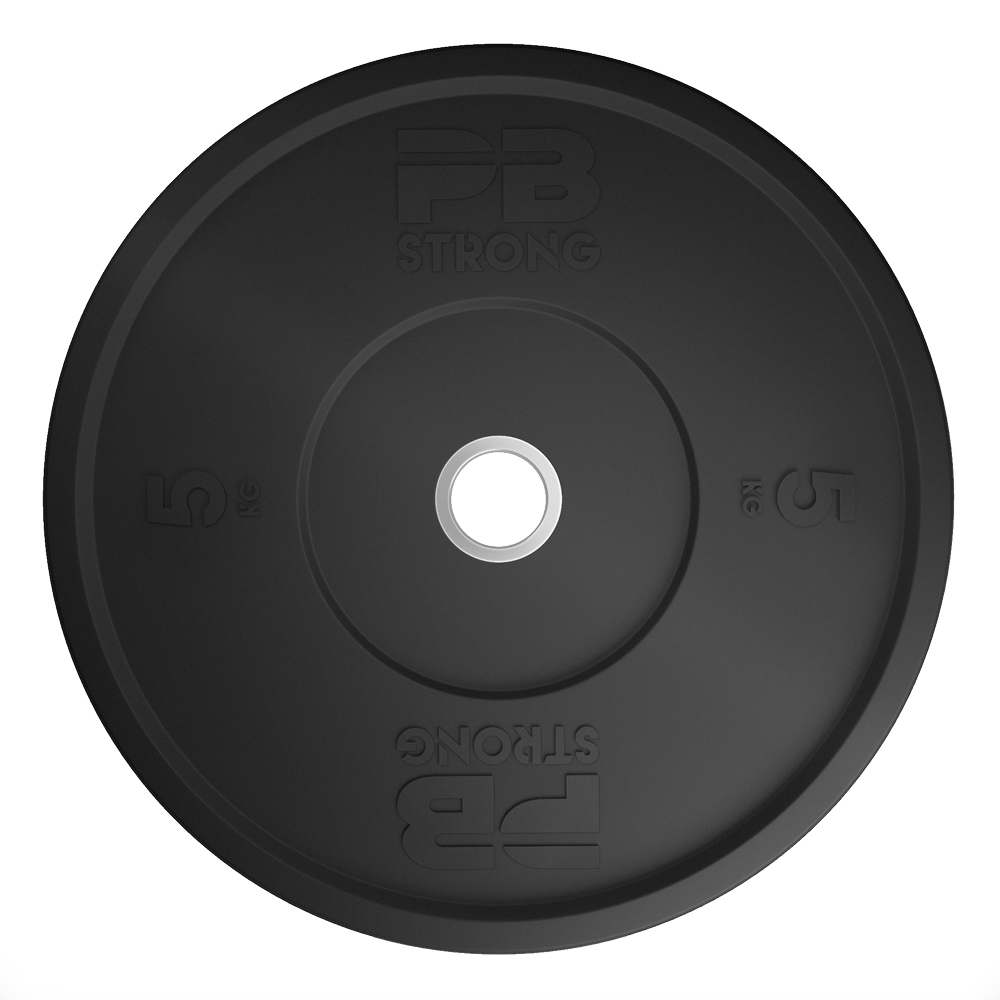
Product information: PB Strong rubber weight plate, black (each)For effective strength training! The PB Strong weight plates fit all barbells with a 50 mm diameter plate socket. Thanks to their high-quality rubber coating, these weights are gentle on floors and resistant to scratches and impacts. The plates are robust and durable. The steel core minimises the rebound of the plate when it hits the floor. These weight plates are suitable for both home use and professional use in the gym.Product details: Material: Hard rubber (weight plate), steel (inner ring)Diameter: 45 cm (outer), 5 cm (inner)Thickness: From 2.5 cm to 8.8 cm (depending on weight) Colour: Black Variants: 5 kg, 10 kg, 15 kg, 20 kg, 25 kgContents: one weight plate
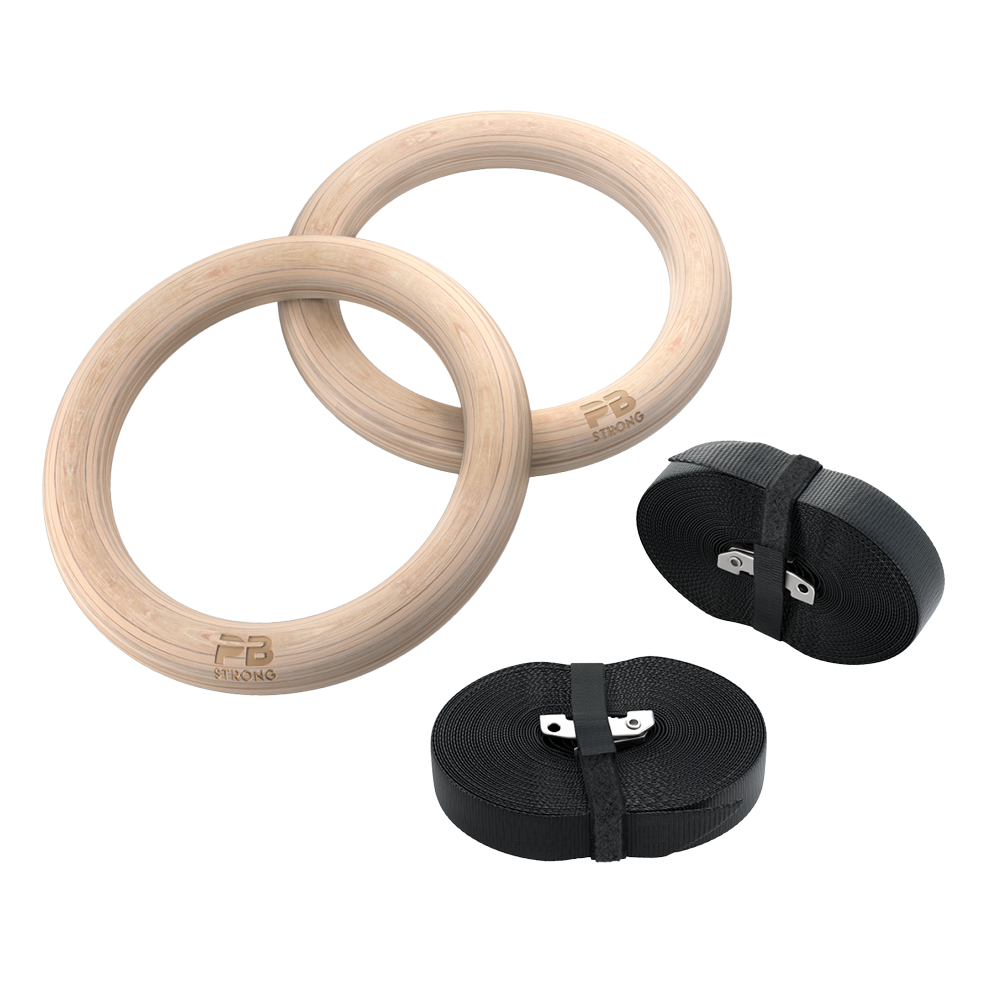
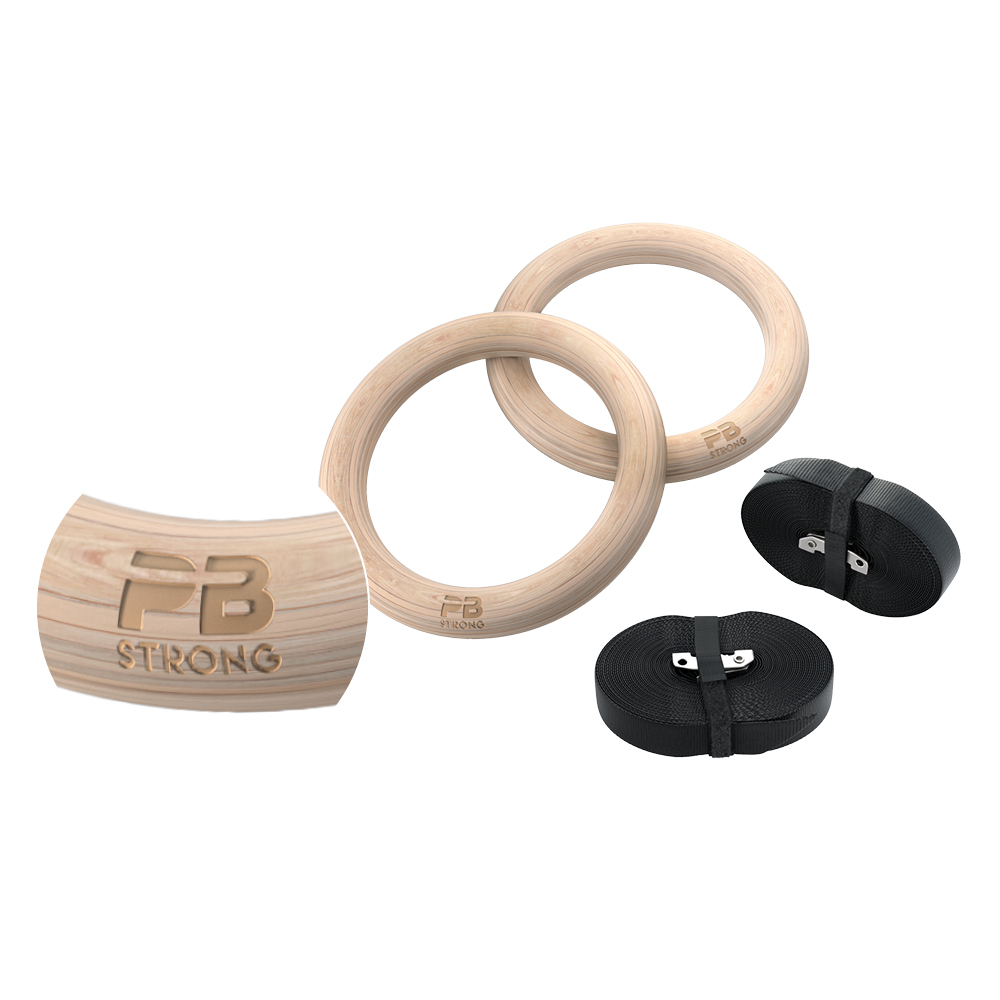
PB Strong Gymnastic RingsTrain like the professional gymnastsThe straps on the PB Strong Turn Rings are extra-long at 5.4 m (divided into 18 increments of 30 cm each) and can be attached anywhere where there are sturdy anchoring points at a sufficient height. This makes the rings suitable for both home use and professional use in the gym. The material used for the straps, as well as for the rings themselves, is extremely durable. The maximum load capacity is 300 kg.Product details:Material (ring): woodMaterial (strap): NylonOuter diameter (rings): 23.5 cmInner diameter (rings): 17 cmDimensions (strap): 550 cm long, 3.8 cm wideHandle thickness: 3.2 cmWeight: 1.8 kgColour: Black, natural woodLoad capacity: max. 300 kgSpecial feature: Optimal grip for magnesium