
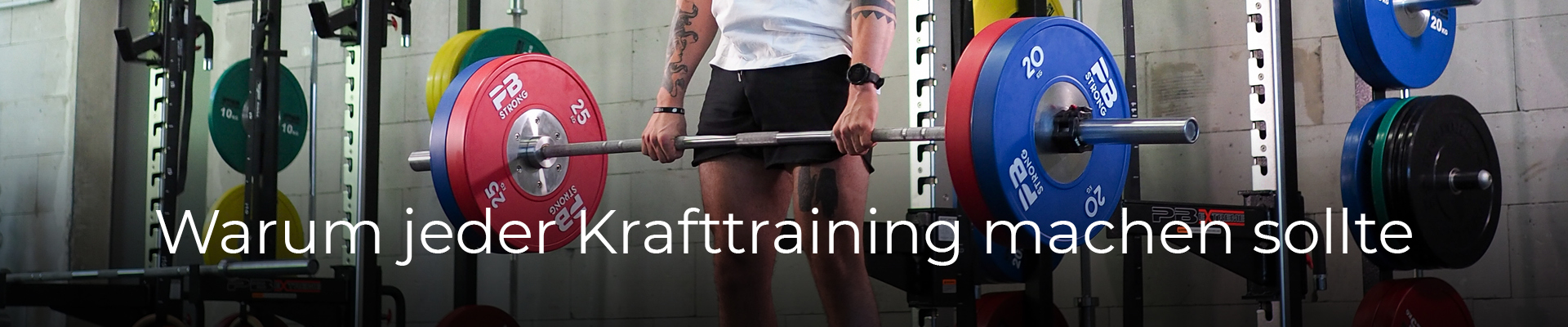
Why everyone should do strength training
Increases basal metabolic rate & reduces body fat percentage
Strength training can help increase and maintain lean mass and thus increase basal metabolic rate. Especially when it comes to reducing belly fat, regular strength training seems to have a positive effect.
"Use it or lose it."
As we age, we lose muscle mass. In addition, muscles regress if they are not sufficiently stressed. Regular strength training helps to counteract this and maintain as much muscle mass as possible.
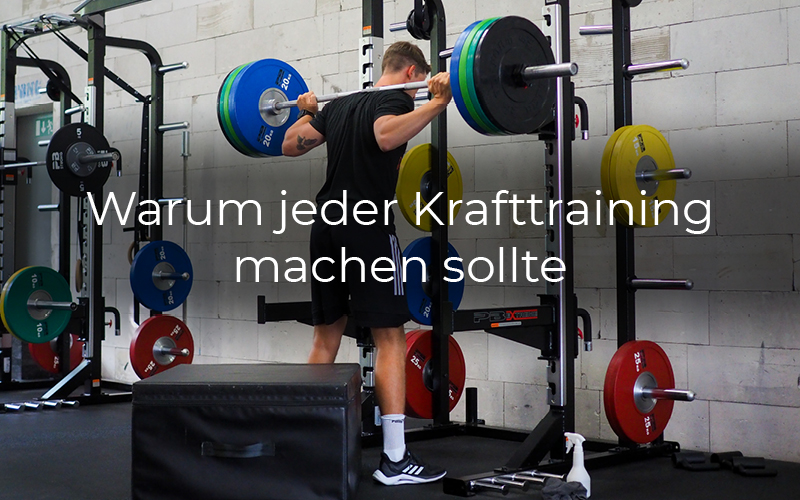
Improves bone density and the quality of connective and supporting tissue.
Bone density also decreases as part of the natural aging process and the risk of osteoporosis is increased. Women are more likely to experience bone loss due to declining estrogen levels during menopause.
Lack of physical activity also affects this. Strength training promotes bone metabolism and can thus help slow or reduce the decline in bone density.
Improves cardiovascular health
Endurance training isn't the only thing that has a positive effect on cardiovascular health. Strength training reduces some of the biggest risk factors for cardiovascular disease: it decreases body fat, reduces blood pressure at rest, and improves glycemic control.
May help alleviate symptoms of chronic conditions
Strength training can reduce symptoms of chronic conditions such as arthritis, back pain, cardiovascular disease, diabetes, and depression, for example.
In addition, regular strength training improves posture, motor control, and functional and cognitive performance, and helps with stress management.
So if you want to make a long-term, sustainable investment in your health and well-being, you should incorporate regular strength training, two to three sessions per week, into your routine.
Nur mit Vertrauen kannst du Grenzen überwinden
Alles, was du bisher getan hast, dient also nur dem Zweck, dich bestmöglich auf die kommenden Herausforderungen vorzubereiten und dich ihnen mit dem nötigen Selbstvertrauen zu stellen. Denn wie schon Henry Ford sagte: “Ob du glaubst, dass es kannst oder glaubst, dass du es nicht kannst, in beiden Fällen wirst du recht behalten.” Der Glaube daran, deine Grenzen überwinden zu können, ist also essenziell.
Im Moment der Herausforderung geht es für dich letztendlich nur noch darum, wirklich präsent zu sein und deine vorher zurechtgelegten Strategien auch anzuwenden. Klingt einfach, ist jedoch in der Umsetzung nicht immer so einfach. Es gibt unzählige Möglichkeiten, um dich abzulenken und den Fokus zu verlieren. Umso wichtiger ist es also, dass du wirklich zu 100 Prozent bei dir bleibst und deine Energie nicht an anderer Stelle verschwendest.
Schaffe dir dafür am besten kleine Trigger, die dich ins Hier und jetzt zurückbringen und deinen Fokus vor dem Start sammeln. Es spielt dabei keine Rolle, ob du deine Atmung als Trigger verwendest, ein bestimmtes Code-Wort / Mantra benutzt oder eine ganz besondere Routine durchläufst. Wichtig ist, dass es für dich funktioniert und dir dabei hilft, komplett präsent und fokussiert zu sein. Bestleistungen kannst du schließlich nur im jetzigen Moment abrufen und je mehr du deine “Zone” findest, desto einfacher wird es.

Dein volles Potenzial ist nur im Hier und jetzt verfügbar
Im besten Fall kannst du so deine aktuelle Grenze überschreiten, ohne überhaupt den unnötigen, inneren Dialog mit dir selbst zu führen, ob du aufgeben willst oder nicht. Solltest du dennoch in diesen inneren Kampf verwickelt sein, dann erinnere dich wieder an den Beginn dieses Artikels.
Nutze dein Warum, um zusätzliche Energie zu finden und erinnere dich daran, dass deine Grenzen nur in deinem Kopf existieren. Sobald du den ersten Schritt über die alte Grenze machst, wirst du feststellen, dass sich dir ganz neue Möglichkeiten offenbaren oder wie David Goggings sagen würde: “Wenn du glaubst dein Limit erreicht zu haben, bist du gerade einmal bei 40 Prozent.”
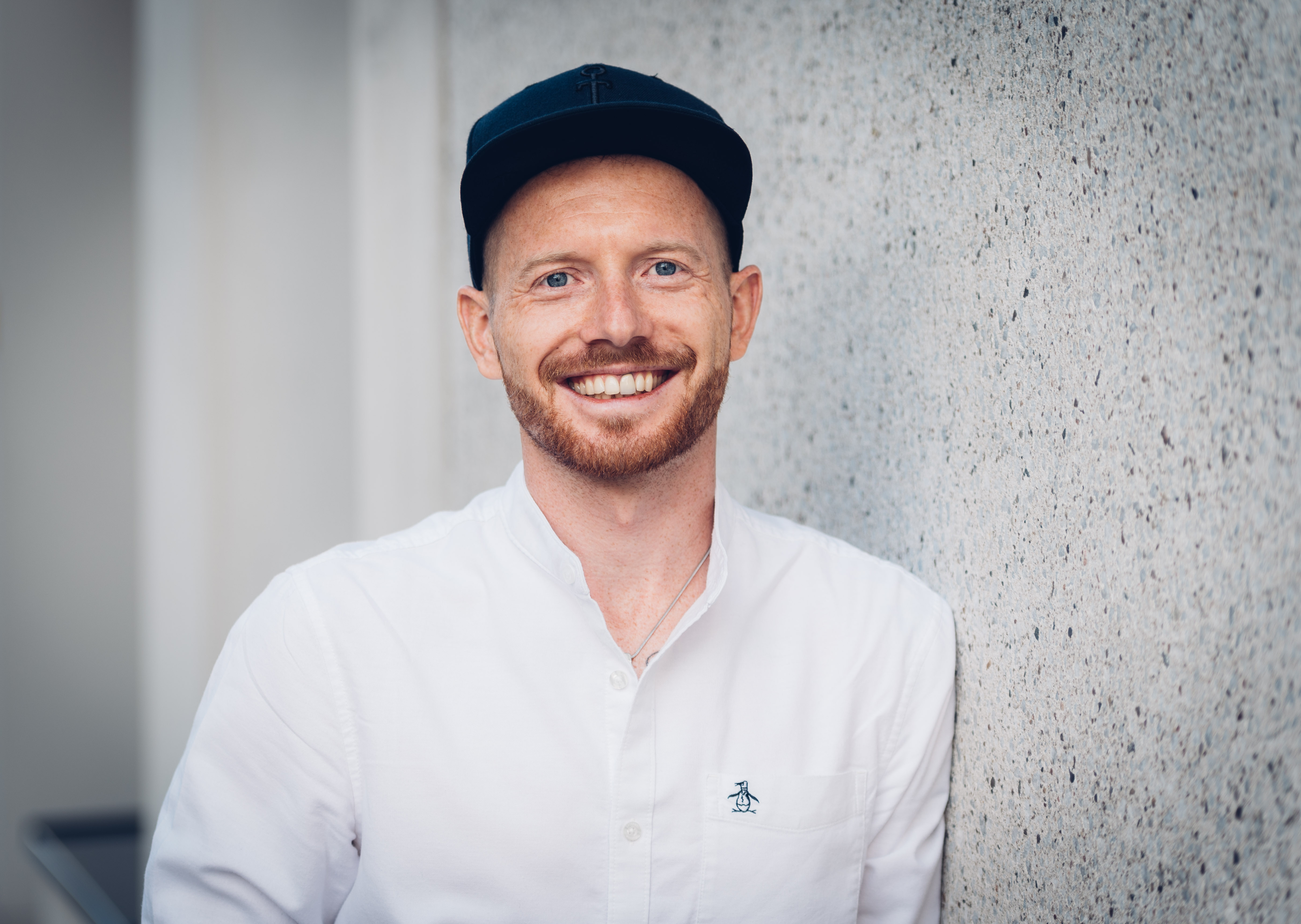
Der Autor
Patrick Thiele ist Mentaltrainer für High Performer in Sport und Business und Founder der Pro Mind Academy.
Mehr Content rund um Mentaltraining findest du auf seinem Instagram Account: