
Relieve Tension – Declare War on Your Pain
Whether it’s stress, overexertion, or repetitive movements—tension has many causes, but they all lead to the same serious consequence: pain. Find out here what you can do to relieve your tension and, ideally, prevent it in the future. For most people, many movements are impossible to perform or can only be done with pain. Reasons for this include stress, one-sided movement patterns, avoiding certain movements, or overexertion—all of which, in turn, lead to tension. But what exactly is tension?

What Are Muscle Tensions?
Muscle tension refers to persistent, involuntary contractions of a muscle or muscle group. These contractions cause the muscle to become tight and hardened, often resulting in pain. But how can you relieve this pain?
Tips and Tricks to Relieve and Prevent Muscle Tension
Not everyone wants to visit a physiotherapist as soon as muscle tension occurs. One treatment that is often recommended and can easily be applied at home is heat therapy. It doesn't have to be a therapeutic mud pack—a hot water bottle or a heating pad placed on the affected area can provide quick and effective relief. There are also various mobility and stretching exercises that can help relax tight muscles and relieve muscle tension.
Neck Tension:
If you're experiencing tension in your neck, gently tilt your head to one side until you feel a stretch along the side of your neck. You can also place your hand on top of your head and gently pull it further to the side to deepen the stretch. Hold this position for a few seconds before repeating on the other side.
To stretch the back of your neck, clasp your hands behind your head and gently pull your chin toward your chest. Hold the stretch for a few seconds.
To improve mobility in your cervical spine, slowly move your head up and down, looking alternately toward the ceiling and then toward the floor. Perform the movement slowly and in a controlled manner.

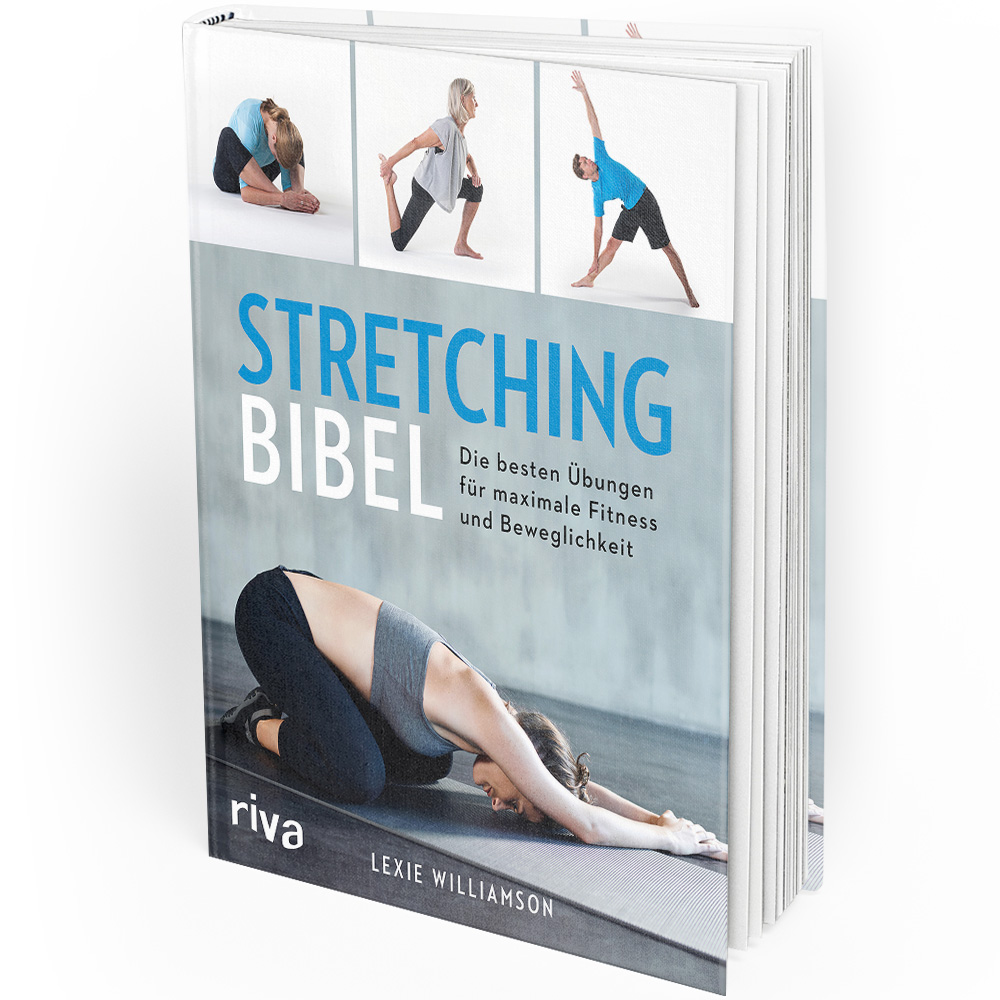
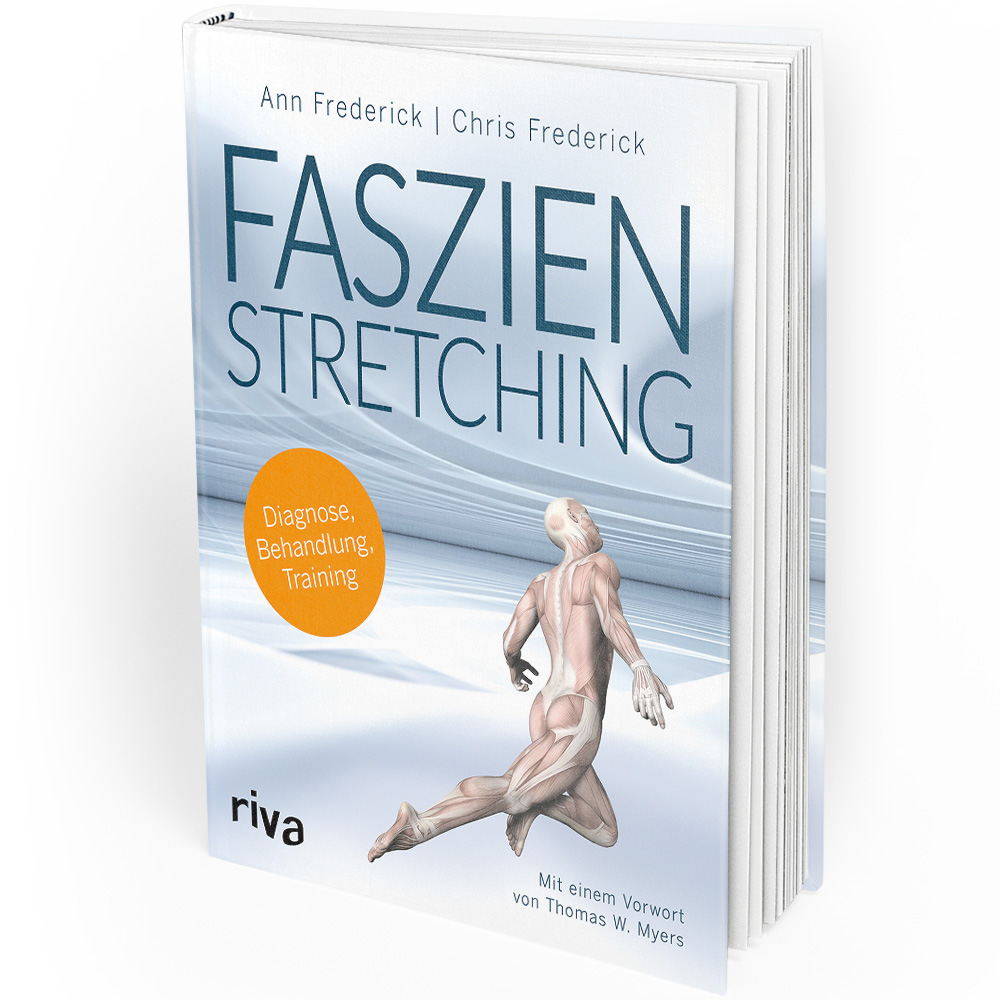
*Fascial Stretching* describes and explains the unique manual treatment method known as Fascial Stretch Therapy™, developed by Ann and Chris Frederick. The method specifically addresses neuromyofascial imbalances and disorders and is now recognised as a fast-acting and effective therapy for restoring and maintaining a healthy nervous, muscular, skeletal and fascial system. This handbook for trainers and therapists provides a thorough yet accessible explanation of how the method works, how it differs from other fascial treatments, and how it can be applied to all areas of the musculoskeletal system. Numerous colour photographs illustrate the techniques. The assessment process is explained in detail, enabling the therapist to assess their clients’ needs and plan an effective treatment programme. To further enhance the success of the therapy, the book also demonstrates how fascial stretching can be integrated into a comprehensive manual treatment programme. About the authors: Ann Frederick Ann Frederick is a former dancer. Since 1992, she has been practising manual therapy, specialising in mobility training, with a focus on assisted individual stretching, group stretching classes and dance tuition. She originally developed Fascial Stretch Therapy™ as a unique system within neuromyofascial manual therapy for the 1996 US Olympic men’s wrestling team and soon discovered that other clients also benefited from it. Chris Frederick Chris Frederick has been a physiotherapist specialising in manual therapy since 1989. He, too, has extensive experience in dance, both as a classical ballet dancer and in the specialist field of dance-specific physiotherapy. Furthermore, he is well-versed in the ancient movement and healing arts of Tai Chi and Qigong. Both Chris and his wife, Ann Frederick, were certified by Thomas Myers in Kinesis Myofascial Integration and ran their own centre for Fascial Stretch Therapy, body therapy, Kinesis Myofascial Integration, sports massage and Pilates for almost 20 years. Today, they run the Stretch to Win Institute, where they offer certification courses in FST.
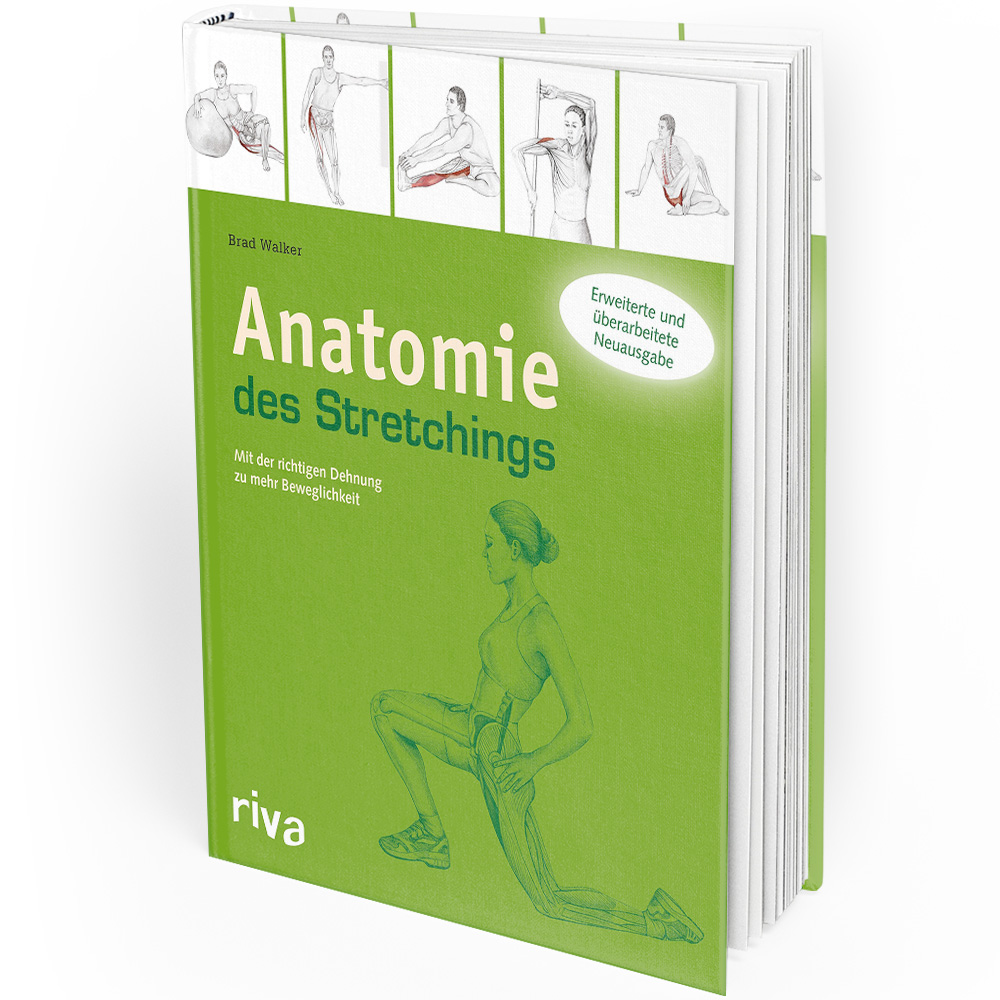
The Anatomy of Stretching Greater Flexibility Through Proper Stretching (Book) Optimal pre-stretching of the muscles is essential for effective training and injury prevention Stretching exercises maintain flexibility, prevent injuries and also play an important role as a therapeutic measure in physiotherapy and sports medicine. At the same time, stretching is a fitness discipline in its own right and must be learnt from the ground up. In this book, sports medicine specialist and stretching expert Brad Walker combines the anatomical principles of stretching with 114 practical stretching exercises for all the body’s major muscle groups. Detailed illustrations take us inside the body and show which muscles are involved in each exercise. Readers will also learn which sports or injuries a particular stretch is particularly suitable for, and what they must bear in mind when performing the exercises. The author: Brad Walker, born in 1971, is an internationally recognised expert in stretching and sports medicine and the owner of The Stretching Institute™, a company that develops and distributes teaching and learning materials for the prevention and rehabilitation of sports injuries. He studied medicine at the University of New England, Australia, and subsequently specialised in sports science. Today, he works closely with professional athletes and lectures on injury prevention. Brad Walker’s website, TheStretchingHandbook.com, receives over a million visits a year, making it the most visited information site on stretching, flexibility and injury prevention. Brad Walker lives with his wife and two sons in Queensland, Australia.
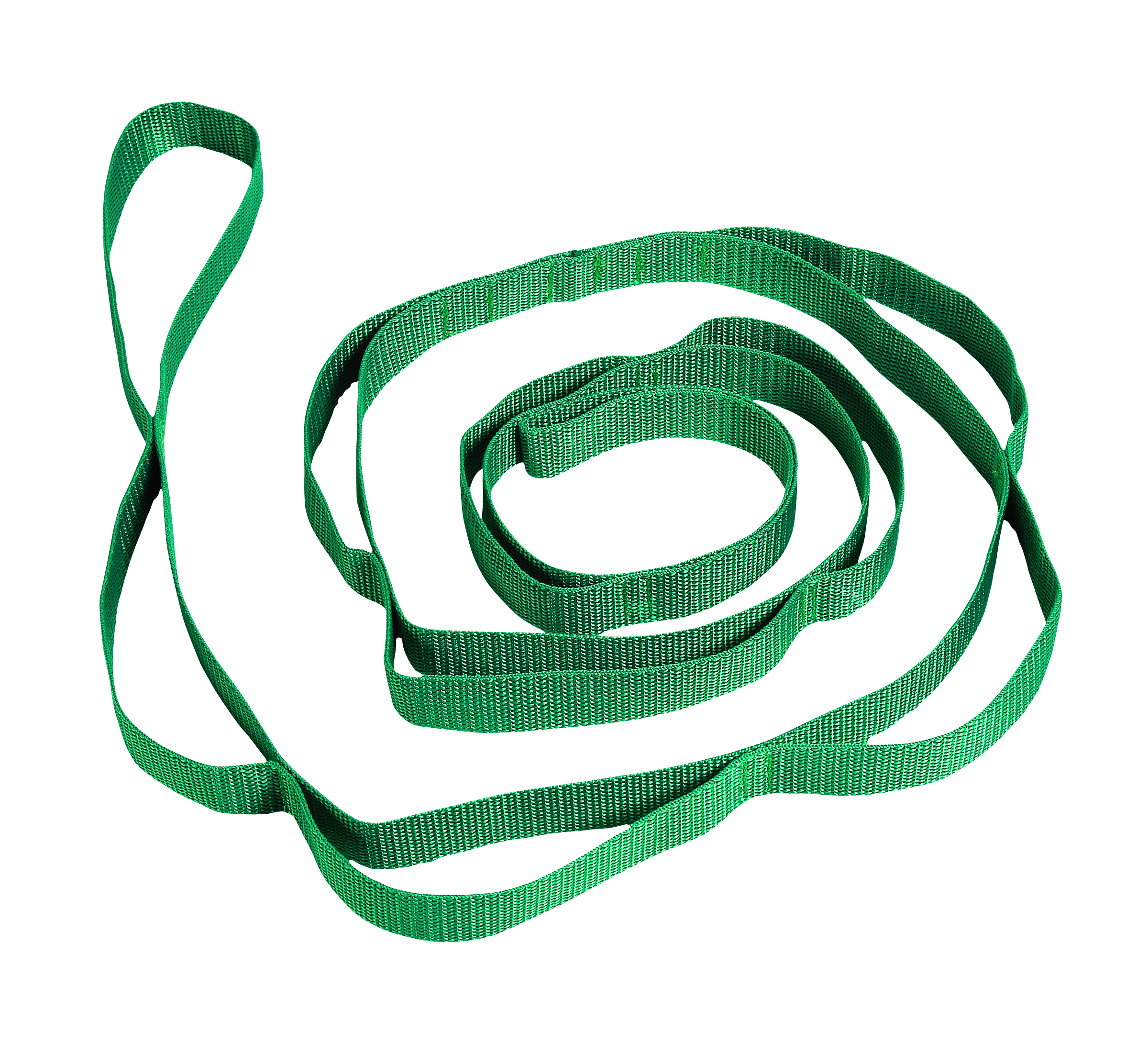
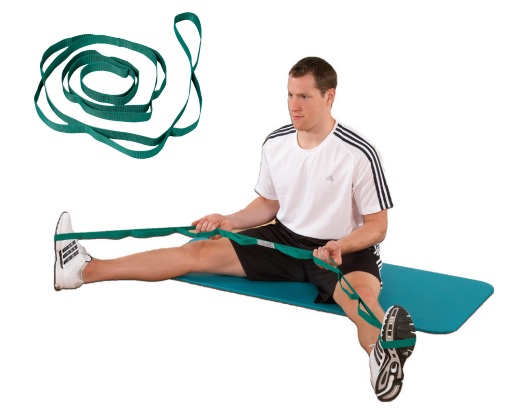
Isometric stretching exercises without a partner! People of all heights can use the stretching rope.The ten handles can be used as hand or foot loops.Includes an exercise posterDimensions: 193 cm / 2.5 cm (L/W)Tips for your stretching session: The back of the thigh is weaker than the front (quadriceps) and is therefore more prone to injury. This makes it all the more important to look after them – in other words, to stretch them. Although they feel like a single large muscle, they actually consist of three muscle groups, all of which are equally important when running. That’s why a single stretching exercise isn’t enough. It makes more sense to do a series of exercises – such as these, which are borrowed from yoga. You should hold each position for 30 seconds. Ideally, you should finish the programme with a gentle endurance run.